


Need help?
Talk to trip expertAccommodation, Food, and Facilities on the Annapurna Circuit Trek
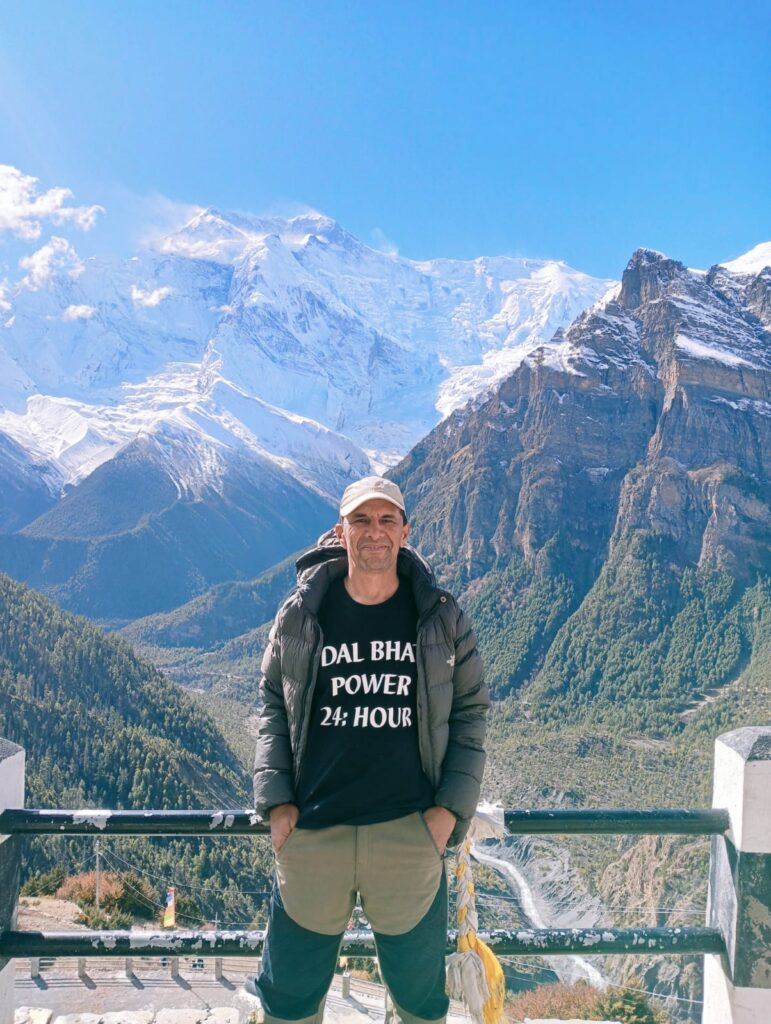
Trekking in Nepal traditionally involves either camping or staying in local teahouses, especially on classic routes such as the Annapurna Circuit Trek. In earlier days, teahouses were extremely simple, often limited to one shared sleeping room and a basic kitchen. Today, however, these lodges have evolved significantly. While they still carry the traditional name “teahouse,” many now function as well-managed trekking lodges, forming the foundation of Annapurna Circuit accommodation and teahouse trekking in Nepal.
Trip not found.
Based on years of trekking experience in the Annapurna region, modern teahouses now commonly provide private twin rooms, shared or attached bathrooms, warm dining halls, and hygienic meal services. This evolution reflects the growing expectations of trekkers while still maintaining the authentic Himalayan hospitality that Nepal is known for.
Despite these improvements, trekking in the Himalayas remains physically demanding. After hours of walking through rugged terrain, mountain passes, and alpine villages, reaching a welcoming lodge along the Annapurna Circuit teahouse route can feel like discovering a hidden mountain sanctuary. For many trekkers, this moment—warm food, a safe room, and a peaceful mountain setting—defines the true reward of trekking accommodation in Nepal.
Nepal is widely regarded as a budget-friendly trekking destination, and this applies equally to Annapurna Circuit lodging. The Nepali government regulates trekking lodge prices to ensure fairness and transparency across trekking regions. However, one universal rule applies throughout the Himalayas:
The higher you go, the more expensive services become.
This price increase is both logical and unavoidable. Food supplies, cooking gas, fuel, and daily necessities must be transported by porters, mules, or yaks into remote mountain settlements. As a result, the cost of accommodation, meals, and services gradually rises with altitude along the Annapurna Circuit trekking route, reinforcing the importance of planning and choosing reliable, well-reviewed lodges.
Average Cost of Accommodation on the Annapurna Circuit
The Annapurna Circuit Trek is one of the most popular trekking routes in the Himalayas and is often considered more beginner-friendly than the Everest Base Camp Trek. Its diverse landscapes, gradual altitude gain, and cultural richness attract trekkers from around the world throughout the year.
Despite its popularity, accommodation on the Annapurna Circuit remains very affordable compared to city hotels or luxury resorts.
Typical Accommodation Costs
Guesthouses and lodges: USD 3–6 per night at lower elevations
Higher elevations: USD 7–10 per night
Off-season rates can be lower
Teahouses are usually cheaper when you eat your meals there
Even the most well-equipped mountain lodges cannot be compared to luxury hotels in Kathmandu—but they provide exactly what trekkers need: warmth, rest, and safety.
Adventure Walkways recommends choosing clean, well-managed lodges rather than the cheapest option, as hygiene and comfort play a vital role in high-altitude trekking.
Trip not found.
Types of Accommodation on the Annapurna Circuit Route
The Annapurna region offers accommodation between 760 meters and 4,600 meters, including the high-altitude settlement of Thorong Phedi. Lodging options range from basic teahouses to relatively comfortable guesthouses.
Do not expect luxury or royal treatment. In most places, your “luxury” is a wooden bed, shared bathroom, and a warm dining hall. However, rooms are generally clean, well-maintained, and suitable for trekkers.
Important Tip
Very cheap accommodation may sometimes compromise hygiene and comfort. Spending a little extra for a clean, warm place can help protect your health and improve your overall trekking experience.
Know Before You Go (Important Annapurna Region Information)
Before continuing your Annapurna Circuit adventure, it’s helpful to understand the region better. These topics are essential for planning a smooth and enjoyable trek:
Annapurna Base Camp Accommodation
Annapurna Region – Best Hiking Trails in the World
Ghandruk – A Popular Tourist Village
Lifestyle and Culture in the Annapurna Region
Packing List for the Annapurna Region
Trekking Permits for Annapurna
Annapurna Region Climate and Weather
Adventure Walkways provides complete guidance on all of the above to ensure trekkers are fully prepared before starting the journey.
Travel Insurance for Annapurna Circuit Trek
Because the Annapurna Circuit is a high-altitude trek through remote areas, travel insurance is strongly recommended—and effectively mandatory.
While you may not be asked to show insurance documents during the trek, you must provide:
Insurance company name
Emergency contact number
Your insurance should cover:
High-altitude trekking (above 5,000m)
Emergency helicopter evacuation
Medical treatment in remote regions
Adventure Walkways strongly advises choosing a provider experienced in Himalayan trekking coverage.
Guesthouse Services on the Annapurna Circuit
Accommodation services on the Annapurna Circuit vary depending on location, altitude, and budget. Guesthouses range from basic budget lodges to comfortable mountain hotels.
Budget Guesthouses
Ideal for trekkers traveling on a tight budget:
Extremely affordable
Clean rooms with basic bedding
Blankets and clean linens provided
Hot water may not be available everywhere
Despite limited facilities, budget guesthouses offer excellent value for money.
Hotels and Mountain Resorts
For trekkers seeking more comfort:
Private rooms and bathrooms
Better insulation and bedding
Higher cleanliness standards
More privacy and quiet
Though not luxurious by city standards, these lodges provide welcome comfort after long trekking days.
Teahouse Accommodation on the Annapurna Circuit
Teahouses are the most common and popular accommodation option on the Annapurna Circuit. They are family-run lodges designed specifically for trekkers.
What to Expect:
Twin-bed wooden rooms
Shared or occasional private bathrooms
Hot showers (solar or electric, often extra cost)
Dining halls with heating stoves
Blankets, pillows, and mattresses provided
Teahouses are social spaces filled with trekkers sharing stories from the trail. Despite simple facilities, they offer spectacular mountain views and a warm, friendly atmosphere.
During peak seasons (spring and autumn), advance planning is important as rooms can fill quickly.
Drinking Water and Food on the Annapurna Circuit
Food Options
The Annapurna Circuit offers a surprisingly wide variety of meals:
Dal Bhat (rice, lentils, vegetables) – best value and most nutritious
Noodles, momos, fried rice, pizza
Eggs, bread, soup, pancakes, oatmeal, muesli
Food Costs
Lower elevations: NPR 500–600 (USD 5–6)
Higher elevations: NPR 700–800 (USD 7–8)
Dal Bhat remains the most cost-effective and energy-rich meal on the trek.
Drinking Water
Hydration is critical at high altitude.
Best practices:
Carry a reusable water bottle
Use purification tablets or filters
Buy boiled water from teahouses
Avoid drinking untreated tap, river, or spring water.
Bottled water is available but expensive and environmentally harmful.
Final Words from Adventure Walkways
Accommodation and food on the Annapurna Circuit Trek are more than basic necessities—they are part of the Himalayan experience. Staying in teahouses allows trekkers to connect with local families, share meals with fellow hikers, and enjoy the warmth of mountain hospitality.
With proper planning and expert guidance from Adventure Walkways, you can enjoy:
Affordable accommodation
Nutritious meals
Safe drinking water
Comfortable rest after long trekking days
After reading this guide, you now know where to stay, what to eat, and what to expect on the Annapurna Circuit Trek.
Happy Trekking with Adventure Walkways!
Frequently Asked Questions (FAQ) – Annapurna Circuit Trek
1. What type of accommodation is available on the Annapurna Circuit Trek?
Most trekkers stay in tea houses and guesthouses, which are family-run lodges offering basic rooms, meals, and shared facilities along the route.
2. How much does accommodation cost on the Annapurna Circuit Trek?
Accommodation usually costs USD 3–6 per night at lower elevations and USD 7–10 per night at higher altitudes, depending on season and location.
3. Are tea houses available throughout the Annapurna Circuit?
Yes, tea houses are available in almost every village along the Annapurna Circuit, making camping unnecessary for most trekkers.
4. Do I need to book accommodation in advance?
In most cases, advance booking is not required. However, during peak seasons (March–April and October–November), rooms can fill up quickly, so arriving early is recommended.
5. Are rooms private or shared in tea houses?
Most tea houses offer private twin rooms, while bathrooms are usually shared. In busy seasons, room sharing may be necessary.
6. Is heating available in the tea house rooms?
No, bedrooms are not heated. Heating is usually available only in the communal dining area, so a warm sleeping bag is essential.
7. Are hot showers available on the Annapurna Circuit?
Yes, hot showers are available in many tea houses, usually heated by solar or gas, but they often cost extra.
8. Is electricity available for charging devices?
Most villages have electricity or solar power. Charging phones or cameras usually costs USD 1–2 per hour, especially at higher elevations.
9. Is Wi-Fi available on the Annapurna Circuit Trek?
Wi-Fi is available in many villages, but is often slow and unreliable. Some tea houses sell prepaid Wi-Fi cards.
10. What food is available on the Annapurna Circuit Trek?
Tea houses serve Nepali, Indian, and simple Western meals such as Dal Bhat, noodles, fried rice, momos, pasta, soups, and eggs.
11. How much does food cost on the Annapurna Circuit?
Meals usually cost USD 5–10 per dish, with prices increasing as altitude rises. Expect to spend USD 10–20 per day on food.
12. Is Dal Bhat available everywhere on the trek?
Yes, Dal Bhat is available almost everywhere and is the most popular and nutritious meal for trekkers.
13. Are vegetarian or vegan food options available?
Yes, vegetarian food is widely available, and many tea houses can prepare vegan-friendly meals on request.
14. Is drinking water safe on the Annapurna Circuit?
Tap or river water is not safe to drink. Trekkers should use purification tablets, filters, or buy boiled water from tea houses.
15. Can I buy bottled water on the trail?
Yes, bottled water is available, but it becomes expensive at higher altitudes and is not environmentally friendly.
16. Are alcohol and soft drinks available?
Soft drinks, tea, and coffee are widely available. Alcohol is available in some villages, but is not recommended at high altitude.
17. Are homestays available on the Annapurna Circuit?
Homestays are available in some villages and offer a more cultural and local experience, though tea houses remain the main accommodation option.
18. Do tea houses provide blankets and bedding?
Yes, tea houses provide blankets, pillows, and mattresses, but a sleeping bag is strongly recommended for warmth.
19. Is travel insurance required for the Annapurna Circuit Trek?
Yes, travel insurance is strongly recommended and should cover high-altitude trekking, medical emergencies, and helicopter evacuation.
20. Why do prices increase at higher elevations?
Prices rise because food, fuel, and supplies are carried by porters, mules, or yaks into remote mountain areas.
Table of Contents
