


Need help?
Talk to trip expertThe Everest Base Camp Trek isn’t just about towering mountains — it’s a rich Beginner Everest trek with culture, offering an immersive journey through Sherpa villages, Buddhist traditions, ancient settlements, and daily Himalayan life. From Lukla to Gorak Shep, every village tells a story of resilience, hospitality, faith, and age-old customs, giving first-time trekkers a unique blend of adventure and cultural discovery.
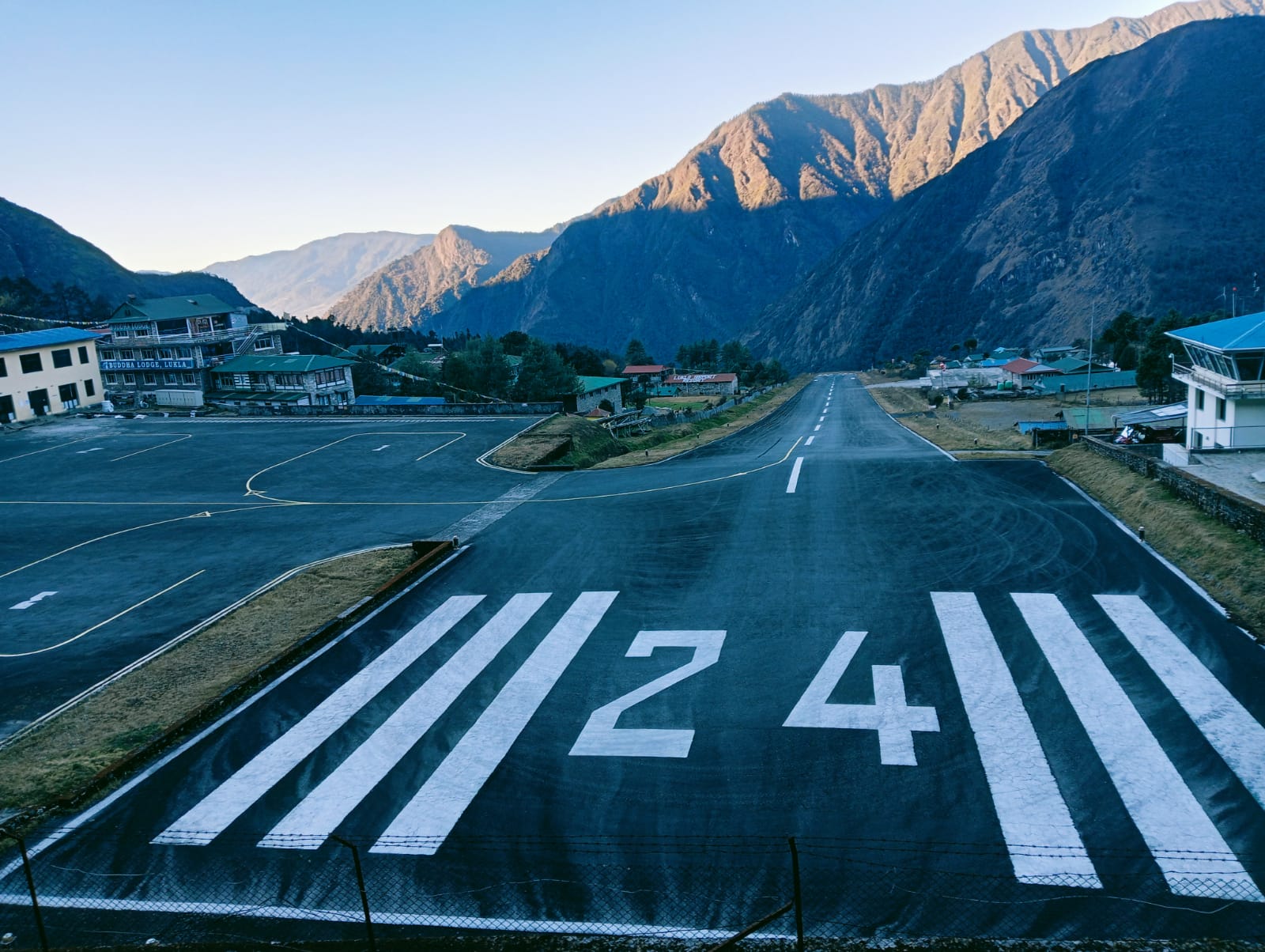
1. Lukla – Gateway to the Khumbu & Sherpa Hospitality
Lukla is your first stop after the thrilling flight from Kathmandu. While it’s mainly known for its airport, it’s also a tranquil Sherpa town set among rolling hills and mountain views.
Cultural Highlights
Sherpa tea houses and bakeries – your first taste of mountain hospitality.
Prayer flags and surrounding shrines – give you a first glance of Buddhist traditions before the trek begins.
Local interaction – villagers often greet trekkers warmly and may share insights into Khumbu life.
Lukla sets the tone for your cultural journey – simple, welcoming, and deeply connected to the land.
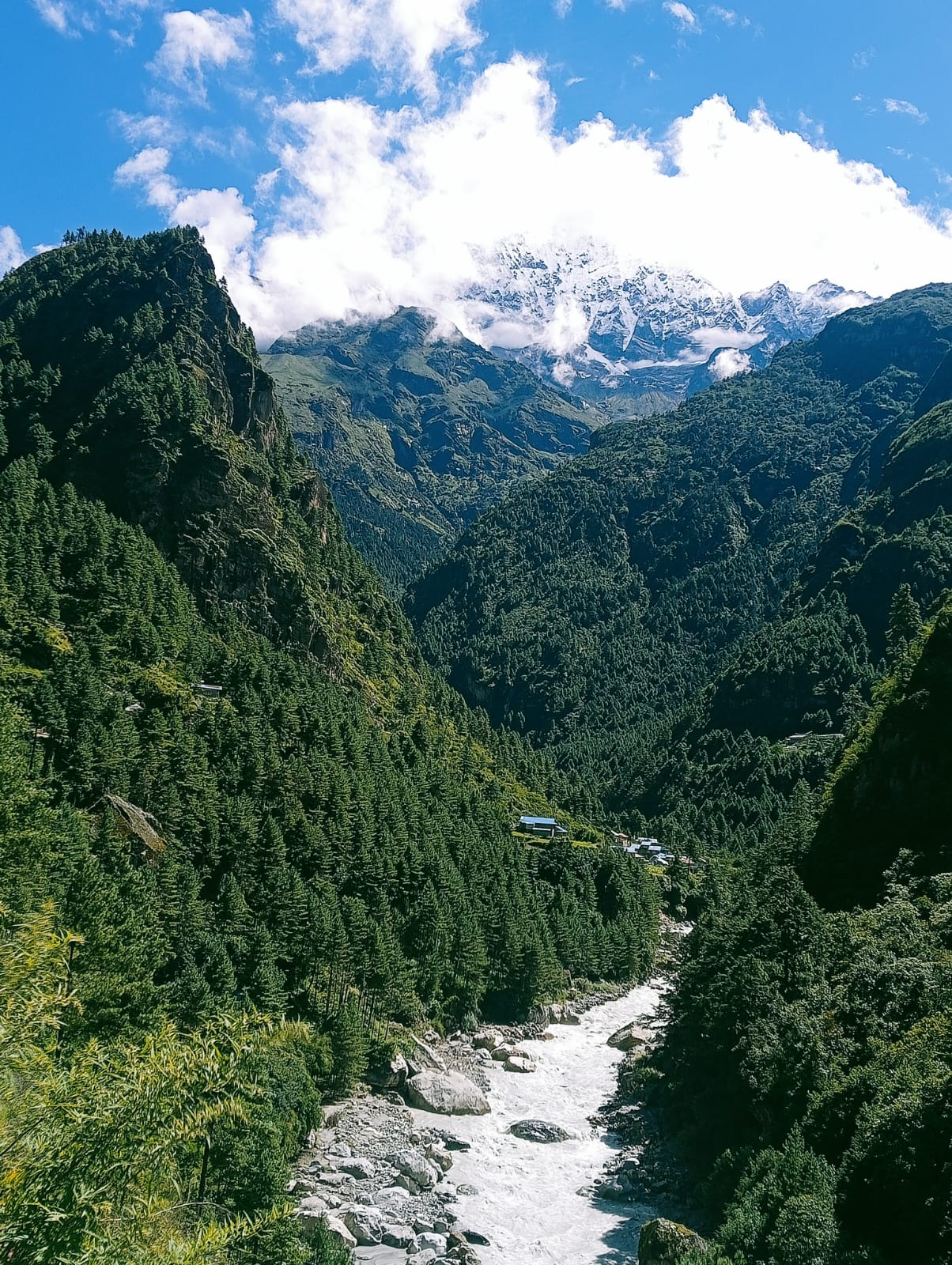
2. Phakding – Riverside Village of Prayer & Quiet Beginnings
Just a few hours from Lukla, Phakding (2,610m) is your first trekking village. It sits beside the Dudh Koshi River, with tall trees and fluttering prayer flags along the trail.
Why It’s Special
Prayer wheels and gompas (small shrines) dot the village and riverbanks.
First serene Tibetan Buddhist atmosphere of the trek.
Suspension bridges painted with prayer flags represent local spiritual symbols you’ll see throughout.
Here you’ll first witness how Buddhism permeates daily life — a calming introduction to the culture ahead.
3. Monjo – Entry to Sagarmatha National Park
A short distance above Phakding lies Monjo, the entry point to Sagarmatha National Park — a UNESCO World Heritage site.
What Makes It Important
Permit checkpoint and park entrance.
First real immersion in the protected natural and cultural environment.
Peaceful village atmosphere with teahouses and rustic charm.
It’s a great spot to reflect on the journey ahead before ascending toward Namche.
4. Namche Bazaar – Sherpa Capital & Cultural Epicenter
Namche Bazaar (3,440m) is one of the cultural highlights of the Everest region. It’s larger, more lively, and culturally richer than every other stop.
Why Namche Matters
Sherpa Culture Museum – Learn about Sherpa mountain history, traditions, and mountaineering legacy.
Saturday Market – A centuries‑old tradition where locals trade salt, cheese, textiles, and handicrafts.
Everest View Hotel Excursions – offers sunrise views of Everest and surrounding peaks.
Monasteries & prayer wheels scattered around town.
Namche isn’t just a stop — it’s a cultural hub where modern amenities and ancient traditions blend. Many trekkers spend extra time here to acclimatize and absorb culture.
5. Khumjung & Khunde – Heart of Sherpa Everyday Life
Just a short hike from Namche are the twin villages of Khumjung and Khunde, quieter and more authentic.
Khumjung Village
Khumjung Monastery – A centuries‑old monastery with an alleged Yeti scalp relic.
Edmund Hillary School – Built with support from Sir Edmund Hillary, reflecting the region’s education history.
Daily Sherpa life — farming, yak herding, and traditional stone homes.
Khunde Village
Khunde Hospital – A cornerstone of health services established with Hillary’s help.
Stone houses, fields, and views of Kongde Ri and Khumbila mountains.
These villages give trekkers a true slice of Sherpa life — peaceful, rooted in tradition, and connected to ancient practices.
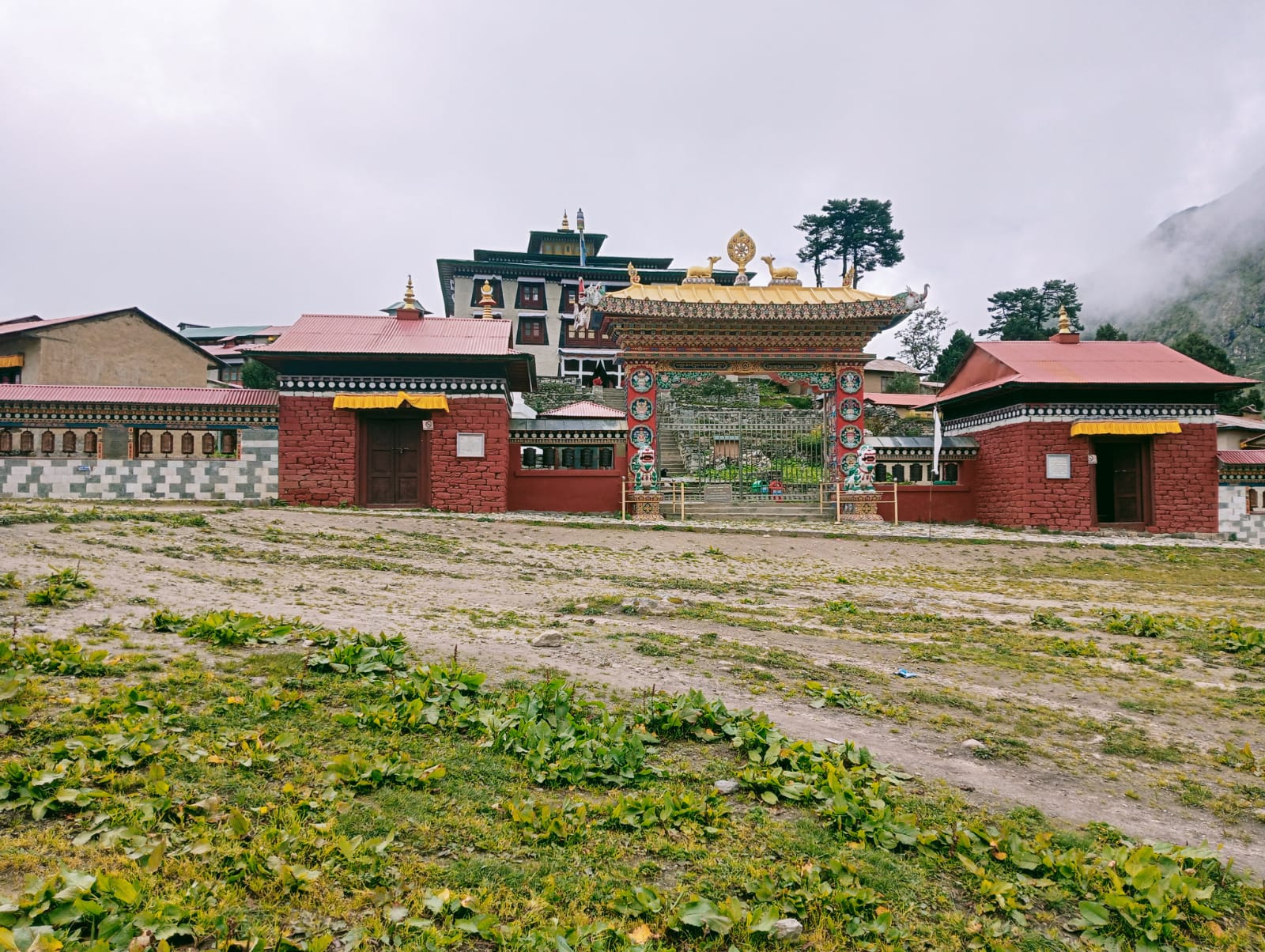
6. Tengboche – Spiritual Center of the Khumbu
Tengboche (3,867m) might be the most culturally significant stop on the entire trail. Its monastery is iconic.
Tengboche Monastery
The largest monastery in the Everest region, with detailed Buddhist architecture.
Mani Rimdu Festival — a 19‑day Sherpa Buddhist celebration full of masked dances, mantras, and feasts, usually in October/November.
Monks chanting at sunrise with Everest and Ama Dablam as a backdrop make this a spiritual pilgrimage.
Respectful visitors are encouraged to enter quietly, remove shoes, and observe rituals gently.
Tengboche isn’t just a village — it’s a cultural and spiritual highlight of the trek.
7. Pangboche – Ancient Sherpa Traditions
Higher up is Pangboche (3,985m), one of the oldest Sherpa villages.
Cultural Attractions
Pangboche Monastery – Over 350 years old, a major Buddhist site with relics and ancient murals.
Agricultural lifestyle – villagers grow crops and raise yaks at high altitudes.
Peaceful vibe with fewer tourists — perfect for cultural immersion.
This village gives hikers a chance to see traditional Sherpa living that has changed little over the centuries.
8. Dingboche – High‑Altitude Farming Life
Dingboche (4,410m) is known as the “Summer Valley” for its high fields and hardy crops.
Why Dingboche Stands Out
Stone‑walled potato and barley fields — survivors against harsh mountain winds.
Crop cultivation at an extreme altitude is a rare sight in the Himalayas.
Trekkers often spend extra days here for acclimatization.
Nangar Dzong hermitage and mellow tea house culture add to cultural richness.
Your time here isn’t just about altitude — it’s about the rhythm of mountain farm life.
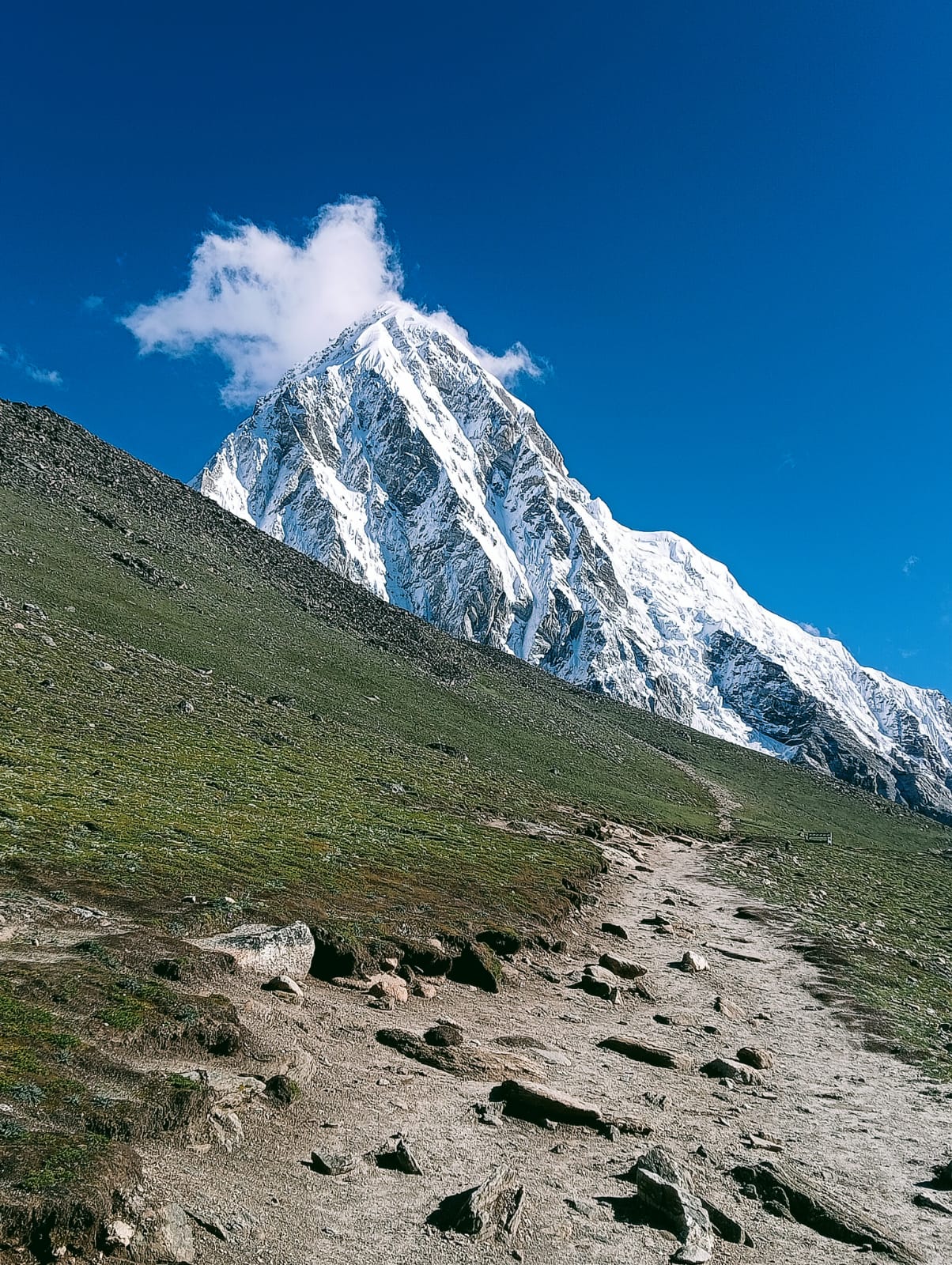
9. Lobuche & Gorak Shep – High‑Altitude Life and Community
These final villages before Everest Base Camp are rugged and sparse, but culturally meaningful.
Lobuche
Traditional stone teahouses and a mountaineering memorial area honoring climbers who lost their lives on Everest.
Gorak Shep
A once‑temporary settlement turned community teahouses.
Base for Kala Patthar sunrise climbs and final cultural reflections before the Base Camp proper.
Beyond 4,900m, culture becomes communal — survival, shared stories, and mountain reverence define life here.
10. Festivals & Cultural Events in the Everest Region
While trekking year‑round offers cultural experiences, certain festivals are especially unique:
Mani Rimdu Festival
A 19‑day Sherpa Buddhist festival is celebrated mainly at Tengboche, Chiwong, and Thame monasteries.
Includes masked dances, sand mandalas, ritual empowerments, feasts, and community prayers.
Typically occurs in October–November, attracting both locals and trekkers.
Festival timings change yearly based on lunar calendars, but planning your trek around Mani Rimdu can be an unforgettable cultural highlight.
Cultural Tips for First‑Time Trekkers
✔️ Respect monasteries — remove shoes, speak softly, and avoid touching sacred objects.
✔️ Learn basic Sherpa greetings (e.g., “Namaste”).
✔️ Support local businesses — buy handicrafts and support tea houses.
✔️ Observe Buddhist customs — walk prayer wheels clockwise and always pass mani walls on the left.
11. Unique Cultural Festivals and Experiences for Foreign Trekkers in the Everest Region
The Everest region isn’t just snow-capped peaks and trekking trails — it’s a living cultural museum. Trekkers who take the time to engage with local traditions are rewarded with experiences that go beyond sightseeing. Certain festivals allow foreigners to participate, celebrate, and even learn Sherpa customs, making your trek truly unforgettable.
Mani Rimdu Festival – Tengboche & Chiwong Monasteries
When: Usually October–November (dates follow the Tibetan lunar calendar)
Where: Tengboche Monastery, Chiwong, Thame villages
What’s unique: Mani Rimdu is a 19-day Sherpa Buddhist festival celebrated by chanting monks, masked dances, and the creation of sand mandalas. The festival represents the triumph of good over evil.
For Foreigners:
Visitors are welcome to observe rituals and blessings, and local monks may even explain the significance in simple terms.
Some monasteries allow foreigners to help offer tormas (ceremonial cakes) or participate in communal feasts.
Local slang/phrases you might hear:
“Namaste” (greeting with hands folded)
“Tashi Delek” (a Tibetan greeting meaning good luck or blessings)
“Chyema” (food offering)
“Lhakhang” (temple)
Highlight: Taking part in the festival allows trekkers to experience spiritual practices, watch colorful masked dances, and feel a direct connection with Sherpa heritage. This is not a tourist show — it’s authentic and centuries-old.
Losar – Sherpa New Year Celebrations
When: Late January to February (date varies per lunar calendar)
Where: Khumbu villages like Namche Bazaar, Khumjung, and Thame
What’s unique: Losar marks the Sherpa New Year, combining rituals, music, and dance. Villagers prepare home-brewed chang (rice beer), display colorful prayer flags, and perform traditional dances.
For Foreigners:
Guests may be invited to join dances or sample local foods.
Opportunity to learn Sherpa greetings and proverbs, like:
“Ngachung la” – wishing happiness in the new year
“Yak thukpa” – literally “yak soup,” often served to guests
Highlight: This is a rare chance to celebrate alongside locals, making the trek not just a physical journey but a cultural immersion.
Sagarmatha Festival – Namche Bazaar
When: Spring (March–April)
Where: Namche Bazaar main square
What’s unique: A cultural showcase festival promoting Sherpa art, music, and traditional sports like yak races and archery. Local handicrafts and costumes are displayed.
For Foreigners:
Trekkers can enroll in short archery competitions or learn Sherpa traditional songs.
Local Sherpas are often happy to teach phrases in Nepali and Khumbu dialect, for example:
“Khumbu la” – greeting meaning “welcome to Khumbu”
“Pangla” – thank you in local slang
Highlight: This festival is tourist-friendly but still authentic, and offers hands-on participation in Sherpa life, not just observation.
Thame & Pangboche Local Ceremonies
These small villages hold occasional rituals tied to harvests, mountain blessings, and mountain deity offerings.
Foreign trekkers can join tea ceremonies, yak butter offerings, and prayer wheel rotations.
Slang & words you’ll encounter:
“Choepa” – butter lamp
“Gompa la” – let’s visit the monastery
“Lhama” – local lama or monk
Why It’s Unique: Most guidebooks don’t cover these micro-cultural events, which allow trekkers to engage directly with local families and their traditions — a very rare cultural immersion for first-time visitors.
Tips for Foreigners Participating in Festivals
Dress respectfully – long pants, modest tops, and shoes removed at monasteries.
Learn basic greetings and blessings – locals appreciate even a small effort.
Ask before photographing rituals – some ceremonies are private.
Bring small offerings – candy, incense, or small symbolic gifts are often welcomed.
Be patient – festivals are slow and immersive; enjoy the experience rather than rush.
Why This Section Makes Your Blog Unique for Google
Covers immersive experiences not widely written about in EBC trek content.
Mentions local slang and authentic terms (Namaste, Tashi Delek, Ngachung la, Choepa) — improves relevance for long-tail searches.
Highlights festivals foreigners can actively participate in, not just visit — this is a rare angle that sets content apart from other trekking blogs.
Mentions hidden villages and small cultural ceremonies, giving Google a fresh, deeply informative piece.
11. Unique Cultural Festivals and Experiences for Foreign Trekkers in the Everest Region
The Everest region isn’t just snow-capped peaks and trekking trails — it’s a living cultural museum. Trekkers who take the time to engage with local traditions are rewarded with experiences that go beyond sightseeing. Certain festivals allow foreigners to participate, celebrate, and even learn Sherpa customs, making your trek truly unforgettable.
Mani Rimdu Festival – Tengboche & Chiwong Monasteries
When: Usually October–November (dates follow the Tibetan lunar calendar)
Where: Tengboche Monastery, Chiwong, Thame villages
What’s unique: Mani Rimdu is a 19-day Sherpa Buddhist festival celebrated by chanting monks, masked dances, and the creation of sand mandalas. The festival represents the triumph of good over evil.
For Foreigners:
Visitors are welcome to observe rituals and blessings, and local monks may even explain the significance in simple terms.
Some monasteries allow foreigners to help offer tormas (ceremonial cakes) or participate in communal feasts.
Local slang/phrases you might hear:
“Namaste” (greeting with hands folded)
“Tashi Delek” (a Tibetan greeting meaning good luck or blessings)
“Chyema” (food offering)
“Lhakhang” (temple)
Highlight: Taking part in the festival allows trekkers to experience spiritual practices, watch colorful masked dances, and feel a direct connection with Sherpa heritage. This is not a tourist show — it’s authentic and centuries-old.
Losar – Sherpa New Year Celebrations
When: Late January to February (date varies per lunar calendar)
Where: Khumbu villages like Namche Bazaar, Khumjung, and Thame
What’s unique: Losar marks the Sherpa New Year, combining rituals, music, and dance. Villagers prepare home-brewed chang (rice beer), display colorful prayer flags, and perform traditional dances.
For Foreigners:
Guests may be invited to join dances or sample local foods.
Opportunity to learn Sherpa greetings and proverbs, like:
“Ngachung la” – wishing happiness in the new year
“Yak thukpa” – literally “yak soup,” often served to guests
Highlight: This is a rare chance to celebrate alongside locals, making the trek not just a physical journey but a cultural immersion.
Sagarmatha Festival – Namche Bazaar
When: Spring (March–April)
Where: Namche Bazaar main square
What’s unique: A cultural showcase festival promoting Sherpa art, music, and traditional sports like yak races and archery. Local handicrafts and costumes are displayed.
For Foreigners:
Trekkers can enroll in short archery competitions or learn Sherpa traditional songs.
Local Sherpas are often happy to teach phrases in Nepali and Khumbu dialect, for example:
“Khumbu la” – greeting meaning “welcome to Khumbu”
“Pangla” – thank you in local slang
Highlight: This festival is tourist-friendly but still authentic, and offers hands-on participation in Sherpa life, not just observation.
Thame & Pangboche Local Ceremonies
These small villages hold occasional rituals tied to harvests, mountain blessings, and mountain deity offerings.
Foreign trekkers can join tea ceremonies, yak butter offerings, and prayer wheel rotations.
Slang & words you’ll encounter:
“Choepa” – butter lamp
“Gompa la” – let’s visit the monastery
“Lhama” – local lama or monk
Why It’s Unique: Most guidebooks don’t cover these micro-cultural events, which allow trekkers to engage directly with local families and their traditions — a very rare cultural immersion for first-time visitors
Summary: A Cultural Trek Unlike Any Other
The Everest Base Camp Trek is more than a physical journey — it’s a cultural pilgrimage through heartlands of the Sherpa people. From the peaceful riverside of Phakding to the spiritual heights of Tengboche, and the ancient lifestyles of Khumjung, Pangboche, and Dingboche, this trek offers a genuine, deeply human experience of Himalayan life and Buddhist tradition.
Table of Contents
- 1. Lukla – Gateway to the Khumbu & Sherpa Hospitality
- 2. Phakding – Riverside Village of Prayer & Quiet Beginnings
- 3. Monjo – Entry to Sagarmatha National Park
- 4. Namche Bazaar – Sherpa Capital & Cultural Epicenter
- 5. Khumjung & Khunde – Heart of Sherpa Everyday Life
- 6. Tengboche – Spiritual Center of the Khumbu
- 7. Pangboche – Ancient Sherpa Traditions
- 8. Dingboche – High‑Altitude Farming Life
- 9. Lobuche & Gorak Shep – High‑Altitude Life and Community
- 10. Festivals & Cultural Events in the Everest Region
- Cultural Tips for First‑Time Trekkers
- 11. Unique Cultural Festivals and Experiences for Foreign Trekkers in the Everest Region
- 11. Unique Cultural Festivals and Experiences for Foreign Trekkers in the Everest Region
- Summary: A Cultural Trek Unlike Any Other
