


Need help?
Talk to trip expertGokyo Valley Trek – Complete Travel Guide (2026–2027)
Introduction to Gokyo Lake Trek (2026–2027)
The Gokyo Lake Trek is a rewarding alternative to the classic Everest Base Camp route, ideal for trekkers who want spectacular Himalayan scenery with fewer crowds. While bypassing the busy EBC trail, this journey still offers unforgettable views of Mount Everest and comfortable overnight stays in Namche Bazaar, the vibrant gateway to Nepal’s Khumbu region.
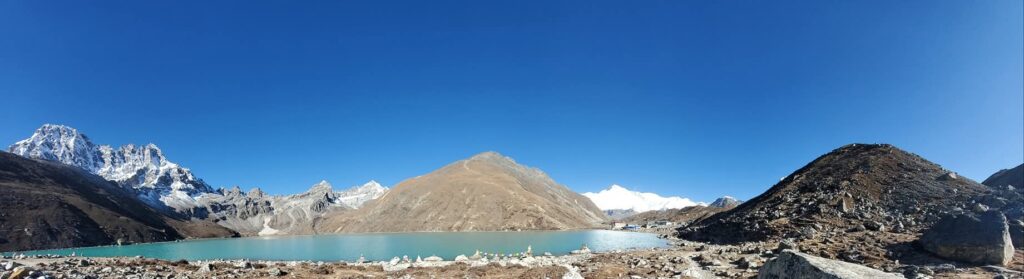
The trail leading to the Gokyo Valley is quieter and more serene, allowing trekkers to truly experience local Sherpa village life. Along the way, you’ll walk beside icy glacial rivers, cross rugged moraine landscapes, and enjoy dramatic views of snow-covered Himalayan giants before reaching the breathtaking turquoise waters of the Gokyo Lakes.
The Gokyo Lakes system consists of six pristine freshwater lakes situated between 4,700 m and 5,000 m in the heart of the Gokyo Valley, within Sagarmatha National Park. These lakes form the highest freshwater lake system in the world and are recognized as a Ramsar site, highlighting their global environmental importance. The lakes are also sacred to both Hindu and Buddhist communities.
Renowned travel authorities continue to praise this region, and the Gokyo Valley remains one of the most visually stunning landscapes in the Everest region. Spending an additional acclimatization day in the valley allows trekkers to hike to the 5th and 6th Gokyo Lakes, set in a dramatic high‑alpine bowl beneath Cho Oyu (8,188 m), the world’s sixth‑highest mountain.
On average, trekkers walk around 5 hours per day, with the major highlight being the ascent of Gokyo Ri (5,357 m). From the summit, you are rewarded with sweeping panoramic views of Everest, Lhotse, Makalu, and Cho Oyu, along with the immense Ngozumpa Glacier, the largest glacier in Nepal. For travelers who prefer a less physically demanding option, a Gokyo Lake helicopter tour is also available to experience the valley’s pristine beauty.
Proper acclimatization is key for this trek, and time spent in Namche Bazaar provides excellent preparation. Acclimatization hikes to Khumjung Village allow visitors to explore traditional Sherpa settlements and visit the historic school established by Sir Edmund Hillary, co‑conqueror of Mount Everest, alongside Tenzing Norgay Sherpa.
Today, Namche Bazaar stands as a lively mountain hub shaped by decades of trekking and climbing expeditions. Its bustling markets, bakeries, and teahouses make it the perfect place to relax, share trekking stories, and prepare for the unforgettable journey into the Gokyo Valley.
Overview of Gokyo Valley Trek
- Region: Everest (Khumbu), Nepal
- Maximum Elevation: 5,357 m (Gokyo Ri)
- Trek Duration: 12–15 days
- Difficulty: Moderate to Challenging
- Best Seasons: Spring (Mar–May), Autumn (Sep–Nov)
Gokyo Lake Trek Highlights (2026–2027)
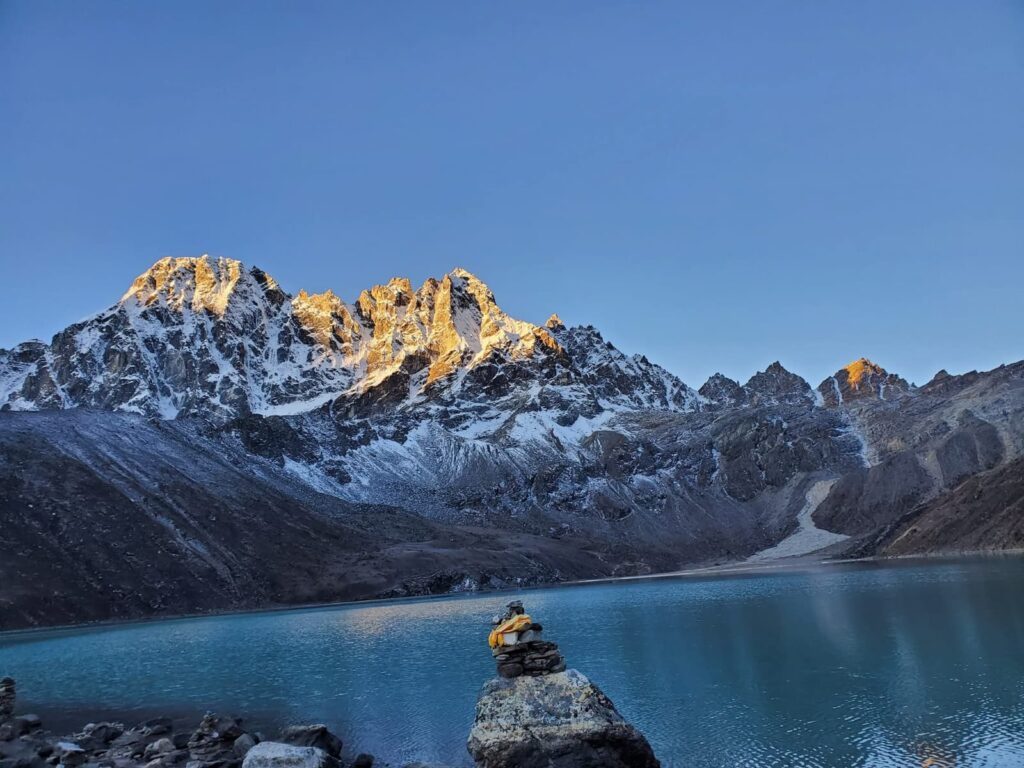
- Iconic Gokyo Lakes System – Explore six crystal‑clear, turquoise glacial lakes shimmering beneath towering Himalayan peaks, forming the world’s highest freshwater lake system.
- Summit of Gokyo Ri (5,357 m) – Witness one of the finest panoramic viewpoints in Nepal, showcasing Mount Everest, Lhotse, Makalu, and Cho Oyu in a single breathtaking sweep.
- Ngozumpa Glacier Experience – Walk alongside the vast Ngozumpa Glacier, the longest glacier in Nepal, with dramatic ice formations and rugged moraine landscapes.
- Authentic Sherpa Culture – Stay in traditional Sherpa villages such as Namche Bazaar, Dole, and Machhermo, and experience warm mountain hospitality, monasteries, and local traditions.
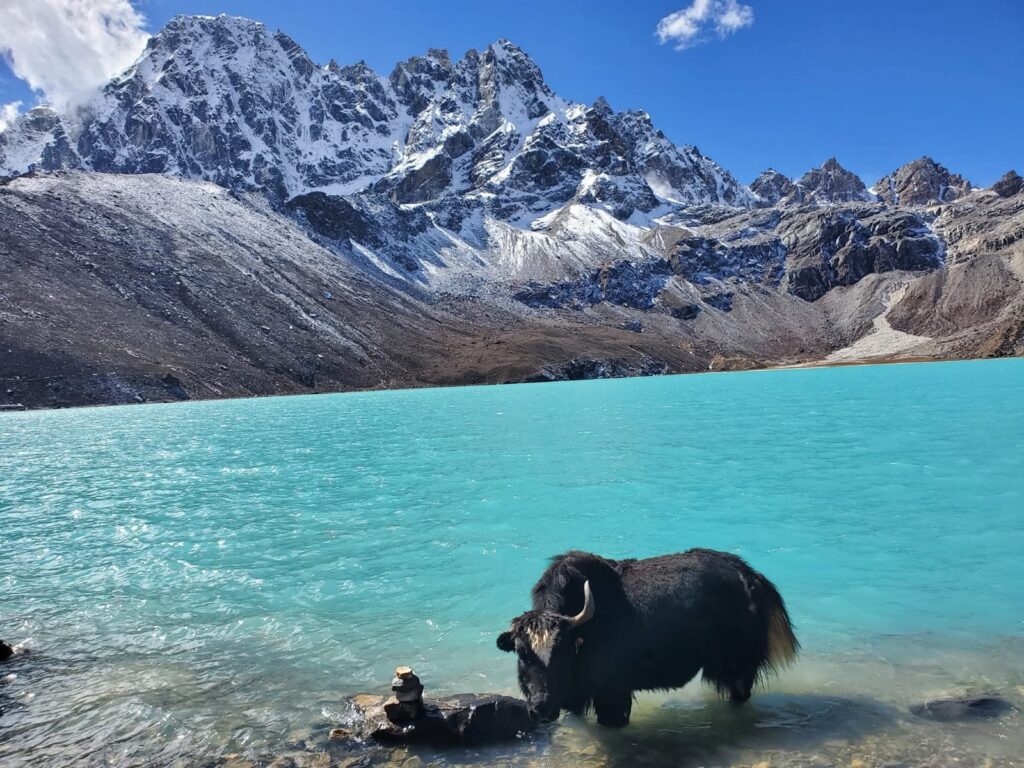
- Rich Himalayan Wildlife – Spot rare alpine species including Himalayan Thar, musk deer, snow pigeons, pheasants, and high‑altitude birdlife within Sagarmatha National Park.
- Peaceful & Less Crowded Trails – Enjoy a quieter trekking route compared to Everest Base Camp, ideal for trekkers seeking solitude, nature, and a more immersive mountain experience.
- Spectacular High‑Alpine Landscapes – Trek through glacial valleys, yak pastures, alpine forests, and dramatic high‑altitude terrain with uninterrupted mountain views.
- Optional Cho La Pass Adventure – Extend your trek by crossing the thrilling Cho La Pass to connect with Everest Base Camp for a more challenging Himalayan journey.
- Excellent Acclimatization Route – Gradual altitude gain and scenic acclimatization hikes make this trek safer and more comfortable for high‑altitude trekking.
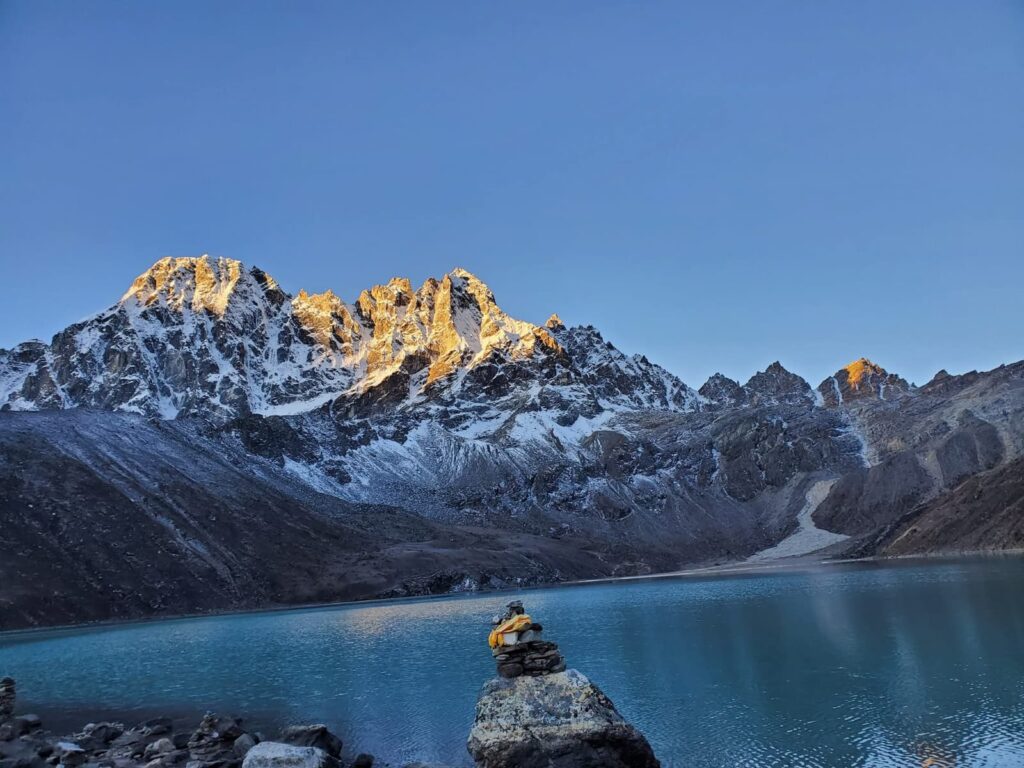
- Photography & Sunrise Magic – Capture golden sunrise and sunset moments over Everest and the Gokyo Lakes, making this trek a dream for photographers.
Gokyo Valley Trek Route
The trek begins with a scenic flight from Kathmandu to Lukla, followed by a gradual ascent through the Dudh Koshi Valley.
Typical Route:
Lukla → Phakding → Namche Bazaar → Dole → Machhermo → Gokyo → Gokyo Ri → Return via same route or Cho La Pass
Optional extension: Gokyo – Cho La Pass – Everest Base Camp.
Itinerary of Everest Gokyo Ri Trekking – 14 Days (2026–2027)
Day 01: Arrival in Kathmandu (1,400 m)
Arrive at Tribhuvan International Airport. Our team welcomes you and transfers you to your hotel. Trip briefing in the evening.
Day 02: Trek Preparation & Free Day in Kathmandu
Free day for trekking preparation, permit arrangements, gear check, and optional sightseeing around Kathmandu Valley.
Day 03: Fly to Lukla (2,860 m) & Trek to Phakding (2,610 m)
Early morning scenic flight to Lukla followed by a short and easy trek to Phakding along the Dudh Koshi River.
Day 04: Trek from Phakding to Namche Bazaar (3,440 m)
Cross suspension bridges and enter Sagarmatha National Park before a steady uphill climb to the Sherpa capital, Namche Bazaar.
Day 05: Acclimatization Day at Namche Bazaar
Rest and acclimatization day with optional hikes to Syangboche, Everest View Hotel (3,880 m), or Khumjung Village.
Day 06: Trek from Namche Bazaar to Dole (4,038 m)
Leave the busy Everest trail and head toward the quieter Gokyo Valley route with stunning mountain scenery.
Day 07: Trek from Dole to Machhermo (4,470 m)
A gradual ascent through alpine terrain with impressive views of Cho Oyu and surrounding peaks.
Day 08: Acclimatization / Free Day at Machhermo (4,470 m)
Optional hike to Machhermo Ri for acclimatization and glacier views, ensuring safe altitude adaptation.
Day 09: Trek from Machhermo to Gokyo Village (4,790 m)
Walk alongside the Ngozumpa Glacier and reach the beautiful Gokyo Lakes with breathtaking alpine scenery.
Day 10: Hike to Gokyo Ri (5,357 m) & Descend to Machhermo
Early morning climb to Gokyo Ri for panoramic views of Everest, Lhotse, Makalu, and Cho Oyu, then descend back to Machhermo.
Day 11: Trek from Machhermo to Namche Bazaar (3,440 m)
Descend through Dole and Mong La, enjoying expansive mountain views on the return journey.
Day 12: Trek from Namche Bazaar to Lukla (2,860 m)
Final trekking day retracing the trail back to Lukla with farewell moments with the trekking crew.
Day 13: Fly from Lukla to Kathmandu
Early morning flight back to Kathmandu. Transfer to the hotel and free time for rest or shopping.
Day 14: Departure or Free Day
Free from the program or final transfer to Tribhuvan International Airport for departure.
Best Time for Gokyo Valley Trek
Spring (March–May)
- Clear skies and blooming rhododendrons
- Best mountain visibility
Autumn (September–November)
- Stable weather and crisp views
- Peak trekking season
Winter (Dec–Feb)
- Fewer trekkers but very cold
- Snow may block high viewpoints
Monsoon (Jun–Aug)
- Not recommended due to clouds and slippery trails
Difficulty Level & Fitness Requirement
The Gokyo Valley Trek is moderate to challenging. No technical climbing is required, but good fitness is essential due to:
- High altitude
- Long walking days (5–7 hours)
- Steep ascents to Gokyo Ri
Prior trekking experience and cardio training are recommended.
Accommodation & Meals
- Accommodation: Tea houses/lodges
- Meals: Dal Bhat, noodles, pasta, soups, Tibetan bread, eggs
Facilities are basic but comfortable, becoming simpler at higher altitudes.
Permits Required
- Sagarmatha National Park Permit
- Khumbu Pasang Lhamu Rural Municipality Permit
(All permits are usually arranged by trekking agencies.)
Gokyo Valley Trek Cost
The cost typically ranges from USD 1,200 to 1,800 per person, depending on:
- Group size
- Trek duration
- Services included (guide, porter, flights, accommodation)
Packing List for Gokyo Valley Trek
- Down jacket & thermal layers
- Trekking boots & warm socks
- Sleeping bag (−10°C)
- Sunglasses & sunscreen
- Trekking poles
Gokyo Valley Trek vs Everest Base Camp
| Feature | Gokyo Valley Trek | Everest Base Camp |
|---|---|---|
| Crowd | Less crowded | Very busy |
| Scenic Lakes | ✅ Yes | ❌ No |
| Difficulty | Moderate–Hard | Moderate |
| Views | Everest, Cho Oyu | Everest, Lhotse |
Is the Gokyo Valley Trek Worth It?
Absolutely. If you want dramatic Himalayan scenery, fewer crowds, and a unique high-altitude experience, the Gokyo Valley Trek is one of the best treks in Nepal.
Book Gokyo Valley Trek with a Local Expert
Booking with a local Nepal trekking company ensures:
- Better safety & acclimatization planning
- Local knowledge & responsible tourism
- Competitive pricing without middlemen
Adventure Walkway offers fully customizable Gokyo Valley Trek packages tailored to your schedule and fitness level.
Final Words
The Gokyo Valley Trek is a perfect blend of adventure, nature, and culture. Whether you’re an experienced trekker or an adventurous traveler looking beyond Everest Base Camp, this trek delivers an unforgettable Himalayan journey.
1. How long is the Gokyo Trek?
The Gokyo Trek takes around 12–14 days, depending on your pace and acclimatization. Daily walking ranges from 4–8 hours, covering roughly 92–100 km.
2. How difficult is the Gokyo Lakes Trek?
It is moderately challenging due to high altitudes and long walks. No technical climbing is needed, but fitness and acclimatization are important.
3. How high is the Gokyo Valley Trek?
The trek reaches 5,357 m at Gokyo Ri, while the lakes sit between 4,700–5,000 m. Key villages like Machhermo and Dole are between 4,000–4,400 m.
4. Is it worth it to go to Gokyo Ri?
Absolutely! Gokyo Ri offers breathtaking views of Everest, Lhotse, Makalu, Cho Oyu, and the Gokyo Lakes. The steep climb is challenging but highly rewarding.
5. How long is the Gokyo Chola Pass to EBC?
The Cho La Pass extension adds 3–4 days, making the total trek 16–18 days. The trail includes steep climbs and icy sections before joining EBC.
6. Is Gokyo Lake Trek for beginners?
Yes, beginners can do it with proper preparation, fitness, and acclimatization. Guides and porters can make the journey easier.
7. What permits are required for Gokyo Lakes Trek?
You need Sagarmatha National Park Permit (~$25) and Khumbu Pasang Lhamu Permit (~$25). Both are available in Kathmandu or Lukla.
8. Where does the Gokyo Valley Trek start and end?
The trek starts with a flight to Lukla and usually ends by returning the same way. Some combine it with EBC or Renjo La Pass for an extended trek.
9. What is special about the Gokyo Lakes?
They are six high-altitude turquoise lakes above 4,700 m, sacred to Hindus and Buddhists. The lakes reflect surrounding snow-capped peaks beautifully.
10. How difficult is the Gokyo Valley Trek?
Moderate difficulty: 5–7 hours of trekking per day with steep climbs to 5,357 m. Proper acclimatization makes it manageable for most trekkers.
11. What mountains can you see during the trek?
Views include Everest, Lhotse, Makalu, Cho Oyu, Ama Dablam, Cholatse, and Thamserku. The scenery changes constantly along valleys and ridges.
12. Is the Gokyo Valley Trek less crowded than EBC?
Yes, the trail is quieter with fewer trekkers, offering peace and a more authentic village experience.
13. Do I need trekking experience for the Gokyo Valley Trek?
No prior experience is needed, but good fitness helps. The trail is well-marked and supported by tea houses.
14. What cultural experiences can I expect?
You’ll visit Sherpa villages, monasteries, prayer wheels, and Namche Bazaar markets. The trek combines Himalayan scenery with local traditions.
15. Why choose Haven Holidays for the trek?
They provide expert guides, safe planning, permits, and eco-friendly practices. You get cultural immersion and well-managed support throughout.
16. How much does the Gokyo Valley Trek cost?
Packages range from $1,200–$1,600, covering permits, guide/porter, meals, accommodation, and Lukla flights.
17. What’s included in the package?
Permits, guide, porter, tea house stays, meals, and domestic flights. Personal expenses like showers and tips are extra.
18. Why do prices vary?
Factors include season, group size, accommodation, and trek extensions. Peak season and private treks cost more.
19. Can the itinerary be customized?
Yes, itineraries can adjust for time, fitness, or combining with EBC or Renjo La Pass. Extra acclimatization days are possible.
20. What is the cheapest way to do the trek?
Join a group trek, choose basic lodges, and bring your own gear. This lowers cost without compromising safety.
21. How do I book the trek?
Book via Haven Holidays’ website or office in Kathmandu. Early bookings secure flights and permits.
22. Is Wi-Fi available?
Yes, Everest Link Wi-Fi works in most tea houses but may be slow at higher altitudes.
23. How much does Wi-Fi cost?
Typically $5–$10 per 200 MB to 1 GB, depending on location. Speed decreases at higher elevations.
24. Is mobile network available?
Yes, mainly in Lukla, Namche, and some villages. Signal weakens in higher areas like Machhermo and Gokyo.
25. Which SIM card is best?
Ncell and Nepal Telecom (NTC) work best; Ncell has better data in lower regions, NTC wider coverage at high altitudes.
26. Can I charge my phone?
Yes, lodges provide electricity for a fee (~$2–5/hour). Carry a power bank or solar charger as backup.
27. Is internet reliable at Gokyo?
Limited speed; suitable for messaging and emails but not video calls. Everest Link cards improve connectivity.
28. Should I depend only on Wi-Fi?
No, combine Wi-Fi with local SIM for reliable communication at higher altitudes.
29. Which gadgets should I carry?
Smartphone, camera, power bank, solar charger, headlamp, spare batteries, and memory cards.
30. Is a power bank necessary?
Yes, essential for charging phones and cameras when electricity is limited.
31. Can I use a solar charger?
Yes, lightweight solar panels are effective for charging at high altitude and eco-friendly.
32. Can I charge gadgets in tea houses?
Yes, but often paid; power banks are recommended.
33. Is it safe to carry a laptop?
Not recommended; heavy and hard to charge, better to rely on smartphone or tablet.
34. Do I need an international adapter?
Yes, most tea houses use different sockets. A universal adapter ensures safe charging.
35. What type of camera is best?
DSLR, mirrorless, compact camera, or smartphone. Carry extra batteries and memory cards.
36. Can I use a smartphone as the main gadget?
Yes, smartphones work well for photos, GPS, and communication. Carry a power bank for backup.
37. Should I carry a drone?
Optional; great for aerial shots, but some areas require permits.
38. Which electronic accessories are essential?
Extra cables, batteries, memory cards, headlamp, waterproof phone pouch, and a dry bag.
39. Do I need permits?
Yes, Sagarmatha National Park and Khumbu Pasang Lhamu permits are mandatory.
40. How much do permits cost?
Approximately $25 each for foreign trekkers; prices may vary slightly.
41. Where to get permits?
Obtain in Kathmandu or through a trekking agency; pre-arranged permits are easier.
42. Are permits checked?
Yes, at Monjo, Namche Bazaar, and along the trail; always carry a valid ID.
43. Can children trek without permits?
No, all trekkers need permits; children may get discounted fees.
44. How long are permits valid?
For the duration of your trek; extensions may require updates.
45. Can permits be obtained on the trail?
Some offices issue permits in Namche, but it’s safer to arrange in Kathmandu.
46. Do I need a permit for Gokyo Ri?
Yes, the existing park and rural permits cover access; checkpoints may verify them.
Table of Contents
