


Need help?
Talk to trip expertSpring Gokyo Trek – 14 Days Travel Journal & Itinerary
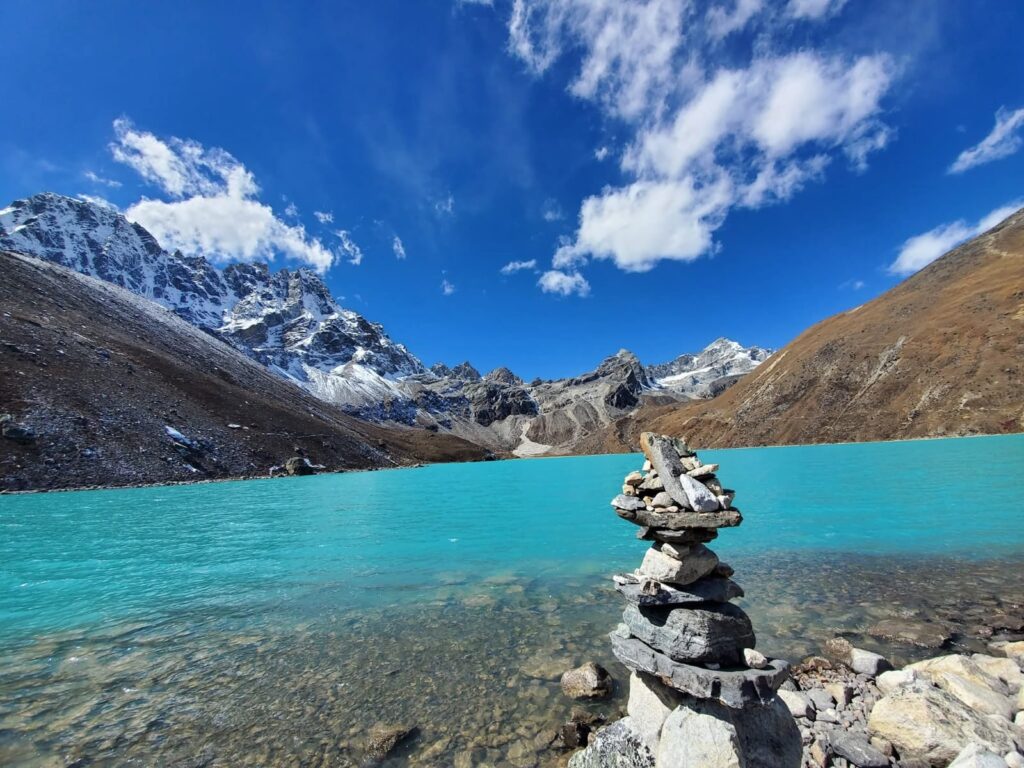
Spring in the Everest region, from March to May, is a season of awakening and wonder. The mighty Himalayas emerge from their winter slumber, revealing lush green valleys, sparkling Gokyo Lakes, and breathtaking snow-capped peaks. For trekking enthusiasts, the Spring Gokyo Trek with Adventure Walkway is a once-in-a-lifetime adventure, combining thrilling high-altitude trekking, stunning natural scenery, rich cultural experiences, and unparalleled Himalayan beauty.
The Gokyo Lakes Trek in spring offers a perfect blend of adventure, comfort, and immersive nature experiences. As you ascend the majestic trails, the vibrant rhododendrons bloom along the slopes, and the clear skies reveal panoramic views of Everest, Lhotse, Makalu, and Cho Oyu. High passes like the legendary Cho La Pass challenge your trekking skills while rewarding you with awe-inspiring vistas. Meanwhile, the climb to Gokyo Ri promises one of the most iconic viewpoints in the Everest region, where turquoise lakes mirror towering peaks, creating a surreal Himalayan spectacle.
This travel journal chronicles every step of the Adventure Walkway Spring Gokyo Trek, blending detailed daily experiences with practical trekking tips, gear guidance, and weather insights. From the excitement of landing in Lukla and trekking through Sherpa villages, to tranquil moments at teahouses and cultural encounters during local festivals, every day is a journey into the heart of the Everest region.
Trekkers will enjoy long daylight hours, pleasant temperatures, and trails that gradually open up as winter retreats. The spring season not only ensures safer trekking conditions at lower altitudes but also offers a quieter, more peaceful experience compared to the crowded autumn months. Wildlife sightings, from Himalayan thar to elusive birds like the Himalayan monal, add an extra layer of adventure to your journey.
With Adventure Walkway, the Spring Gokyo Trek is designed for both novice and experienced trekkers, offering well-planned itineraries, comfortable accommodations along the trekking trails, and personalized guidance to explore the region safely and memorably. This travel journal provides a complete view of what to expect—from March’s crisp mornings and snow-kissed trails, to April’s blooming rhododendrons, and May’s lush greenery and long sunny days.
Whether you aim to capture the perfect photographs, enjoy high-altitude adventure, or immerse yourself in Sherpa culture, the Gokyo Lakes Trek in spring is an unforgettable Himalayan experience. With every step along the trails, from Machhermo to Dole and finally to the serene Gokyo village, you witness nature at its most vibrant and powerful, making the Spring Gokyo Trek with Adventure Walkway a journey that will stay with you for a lifetime.
Day 01: Arrival in Kathmandu (1,400 m)
Landing at Tribhuvan International Airport, I am immediately greeted by the bustle of Kathmandu. The city is a mix of vibrant streets, colorful markets, and distant Himalayan peaks peeking through clouds. Today is a preparation day, allowing me to settle into my hotel, organize gear, and meet the Adventure Walkway team.
Walking through Thamel, I feel the excitement building. The aroma of fresh Nepali cuisine, the sight of prayer flags fluttering in the wind, and the chatter of fellow trekkers create a lively backdrop for the journey ahead. Evening is spent reviewing the trek itinerary and enjoying a traditional dal bhat dinner, fueling up for the days to come.
Day 02: Kathmandu Sightseeing & Trek Prep
The second day offers a gentle immersion into Nepali culture. Visiting Swayambhunath Stupa and Pashupatinath Temple, I am awed by the spiritual energy of Kathmandu. Prayer flags flap in the breeze, monks chant softly, and the city hums around these sacred sites.
Back at the hotel, gear checks are completed. Layering clothing, waterproof jackets, and trekking poles are examined, ensuring readiness for the variable spring conditions. Early March can still be cold, particularly in the mornings and evenings at higher altitudes. A hot cup of ginger tea by the window completes the day, anticipation of the mountains tingling in my veins.
Day 03: Fly to Lukla (2,860 m) – Trek to Phakding (2,610 m)
The flight from Kathmandu to Lukla is an adventure in itself. The small aircraft navigates the winding valleys and dramatic peaks, and soon, the famous Lukla airstrip appears, perched precariously on the mountainside.
From Lukla, the trek begins with a gentle descent to Phakding. Spring mornings are crisp, with the first hints of warmth creeping in as the sun rises. Along the trail, frozen streams begin to thaw, and small alpine flowers hint at the beauty that awaits. Crossing suspension bridges over icy rivers brings an exciting thrill, while snowy patches remind me of March’s lingering winter.
Phakding’s teahouses provide a cozy refuge, with warm meals and a chance to observe Sherpa life—mules carrying supplies, local children playing, and villagers tending small farms.
Day 04: Trek from Phakding to Namche Bazaar (2,610 m → 3,440 m)
The trail steadily climbs through dense pine forests and rhododendron groves. March mornings are still cold, and snow patches linger on higher trails. The air is crisp and clear, offering unparalleled views of Thamserku and Kongde Ri.
Crossing the suspension bridges again, I am struck by the gurgling rivers below, fed by melting snow. Trekking alongside fellow adventurers, we share stories and laughter, all while ascending to Namche Bazaar—the gateway to the Everest region.
Evening in Namche is lively. Markets bustle with trekkers and locals alike, teahouses are warm and inviting, and the mountain views are breathtaking against the crimson sunset.
Day 05: Acclimatization Day – Optional Hike to Syangboche or Everest View Hotel (3,880 m)
Acclimatization is essential. Today, I hike to Syangboche or the Everest View Hotel for my first glimpse of Everest’s towering summit. The hike is invigorating, offering panoramic vistas of Ama Dablam, Nuptse, and Lhotse.
The spring sun warms the trail during the day, but icy patches near high-altitude points remind me to tread carefully. Observing blooming rhododendrons, occasional Himalayan monals, and thawing streams, I feel the region coming alive after winter.
Returning to Namche, the evening is spent sharing stories with fellow trekkers and enjoying hot Nepali momos and tea.
Day 06: Namche Bazaar to Dole (3,440 m → 4,038 m)
The trek ascends steadily through mixed forests and rocky landscapes. March still brings snow patches at higher altitudes, while April and May offer fully open trails. The journey is a rhythm of steps, breaths, and breathtaking views.
Along the way, I encounter local shepherds and observe Sherpa homes tucked into the hills, a glimpse into the region’s resilient culture. Dole’s teahouses welcome trekkers with warmth and comfort, preparing us for higher elevations.
Day 07: Dole to Machhermo (4,038 m → 4,470 m)
Ascending further, the terrain becomes alpine. Melting snow reveals hidden streams, while colorful rhododendron forests add vibrancy. Wildlife activity increases: Himalayan thar clamber across rock faces, and birds like the blood pheasant and Himalayan monal showcase their brilliance.
Machhermo, perched at 4,470 m, feels remote yet alive. The crisp air, distant peaks, and tranquility set the perfect scene for reflection and photography.
Day 08: Acclimatization/Free Day at Machhermo (4,470 m)
A day to rest, acclimatize, and explore nearby trails. Hiking gently around Machhermo, I witness frozen waterfalls slowly thawing and alpine flowers beginning to bloom along the trails.
The surrounding mountains reflect the sun in the springtime light, creating opportunities for spectacular photography. The day reinforces the importance of acclimatization, and evenings are spent in teahouses, sharing tea with fellow trekkers while gazing at starlit peaks.
Day 09: Machhermo to Gokyo (4,470 m → 4,790 m)
The trail winds through glacial moraines, offering the first glimpses of the turquoise Gokyo Lakes. Spring brings longer daylight hours, ideal for taking in these views slowly.
Snow patches may linger in March, but by April and May, trails are clear. Wildlife sightings include Himalayan pheasants and snow pigeons. Teahouses in Gokyo provide comfortable accommodation, with the lake shimmering in the evening sun—a truly magical springtime scene.
Day 10: Hike to Gokyo Ri (4,790 m → 5,357 m) & Return to Machhermo
The ascent to Gokyo Ri is challenging yet rewarding. From the summit, Everest, Lhotse, Cho Oyu, and Makalu rise majestically, their white peaks contrasted against the blue sky.
Spring offers crisp air, long daylight, and excellent visibility, ideal for photography. Returning to Machhermo, I carry with me the memory of the lakes and mountains, the wildlife encounters, and the serene Himalayan morning light.
Day 11: Machhermo to Namche Bazaar (4,470 m → 3,440 m)
Descending brings a mix of excitement and nostalgia. The rhododendrons are blooming, rivers gurgle with thawed snow, and the sound of the wind through pine forests is soothing.
Crossing familiar suspension bridges, I notice the subtle changes of spring: longer days, warmer afternoons, and increased wildlife activity. Namche Bazaar welcomes trekkers with its vibrant market energy and friendly hospitality.
Day 12: Namche Bazaar to Lukla (3,440 m → 2,860 m)
Descending further, the trail is dotted with teahouses, pine forests, and flowering shrubs. Spring brings longer daylight, making hiking easier and safer.
Arriving in Lukla, I am reminded of the trek’s accomplishments—the peaks scaled, lakes visited, and trails traversed. The town buzzes with trekkers preparing for flights and sharing stories of their journeys.
Day 13: Fly Back to Kathmandu (2,860 m → 1,400 m)
The flight back offers breathtaking aerial views of the Khumbu Valley, Gokyo Lakes, and surrounding peaks. Spring’s thawed rivers and verdant valleys provide a mosaic of color from the air.
Back in Kathmandu, I enjoy the city’s energy, visiting markets, and savoring local food. Reflection on the trek brings a sense of fulfillment and awe.
Day 14: Departure from Kathmandu
A final morning in Kathmandu allows for last-minute shopping or a quiet moment to absorb the trek’s memories. Boarding the plane, I feel gratitude for the adventure: mountains conquered, lakes visited, and experiences cherished.
The Spring Gokyo Trek is not just a journey—it’s a blend of adventure, natural beauty, cultural insight, and personal growth, perfect for those seeking both thrill and tranquility.
Spring Gokyo Trek Insights
Weather Patterns:
March: Cold mornings, icy passes, peaceful trails.
April: Mild, sunny, blooming rhododendrons, busier trails.
May: Warm, occasional showers, lush greenery, highest spring crowds.
Wildlife & Flora:
Himalayan thar, musk deer, snow pigeons, Himalayan monal.
Rhododendrons, magnolias, alpine flowers.
Cultural Highlights:
Dumje festival in April/May.
Villages revive after winter, teahouses reopen, fields are prepared.
Gear Recommendations:
March: Insulated parka, microspikes, waterproof boots, sleeping bag (-10°C).
April: Layered clothing, trekking boots, sun protection, hydration.
May: Light clothing, rain jacket, insect repellent, breathable gear.
Photography & Scenic Tips:
Sunrise and early afternoon for lakes and mountains.
Long daylight hours allow side trail exploration.
Capture rhododendron blooms, turquoise lakes, and Himalayan panoramas.
✅ Adventure Walkway Note: Spring is perfect for trekkers seeking a balance of adventure, comfort, nature, and culture. From the tranquil March trails to the bustling May landscape, the Gokyo trek in spring provides unforgettable Himalayan memories.
Table of Contents
