


Need help?
Talk to trip expertA Complete Health, Safety, and Preparation Guide for US Travelers Trekking in Nepal
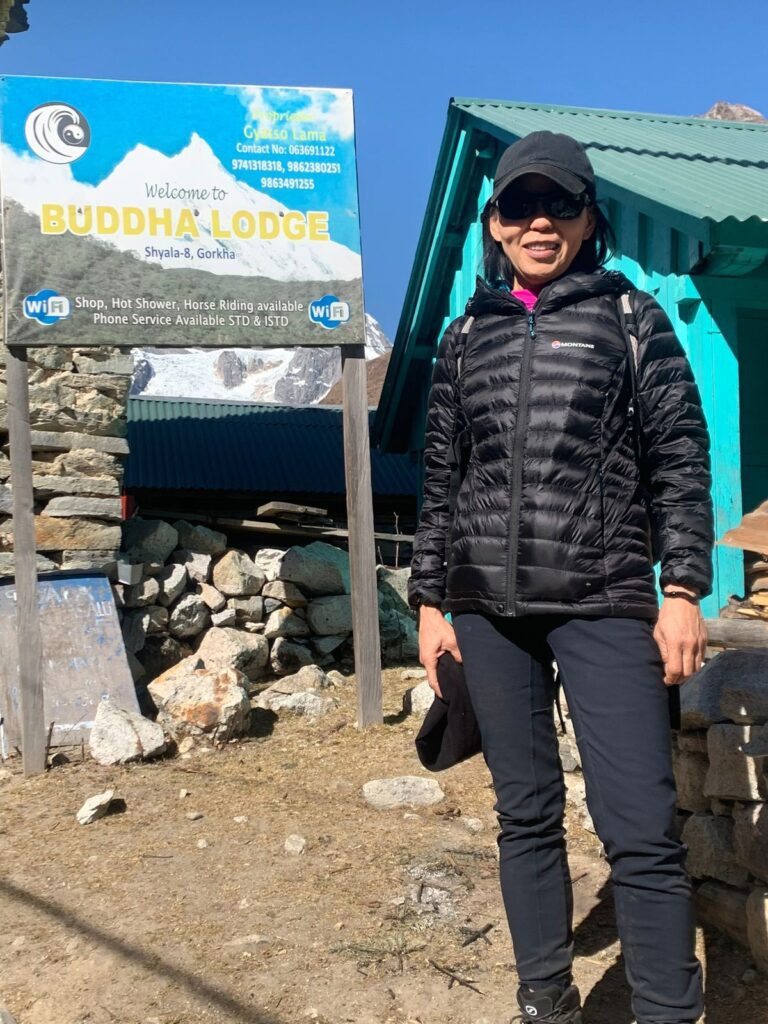
The Manaslu Circuit Trek in Nepal has rapidly become one of the most searched Himalayan treks by American travelers looking for an authentic, less crowded alternative to Everest Base Camp. While the scenery, culture, and remoteness attract US hikers, one concern dominates American Google searches:
“How dangerous is altitude sickness on the Manaslu Circuit for Americans?”
This concern is valid.
Altitude sickness is the number one health risk on the Manaslu Circuit, especially for travelers coming from the United States, where most people live near sea level and have little experience with prolonged exposure to extreme altitude.
This guide is written entirely for Americans — considering US geography, lifestyle, medical systems, travel habits, and common fears — to help you understand, prevent, and safely manage altitude sickness on the Manaslu Circuit.
Why Altitude Sickness Is a Bigger Concern for American Trekkers
The Sea-Level Reality of Life in the USA
Most Americans live at very low elevations compared to the Himalayas:
| US City | Elevation |
|---|---|
| New York City | 33 ft |
| Los Angeles | 305 ft |
| Miami | 7 ft |
| Chicago | 594 ft |
| Houston | 80 ft |
| San Francisco | 52 ft |
Now compare this to the Manaslu Circuit:
Trek begins around 2,900 ft
Sustained trekking above 11,000 ft
Highest point at 16,404 ft (Larkya La Pass)
For most Americans, this trek takes them to altitudes higher than they have ever experienced — often higher than any US mountain they have climbed.
Flying from the USA to Nepal: A Shock to the Body
American trekkers face a double challenge:
Rapid altitude gain
Severe jet lag
Typical US → Nepal travel involves:
18–24 hours of flying
Multiple time zones
Dehydration from long-haul flights
Poor sleep
Landing in Kathmandu (4,593 ft) already places Americans at an altitude higher than many US mountain towns — before the trek even begins.
Understanding Altitude Sickness (AMS) – Explained Simply for Americans
What Is Altitude Sickness?
Altitude sickness, medically called Acute Mountain Sickness (AMS), occurs when your body struggles to adapt to lower oxygen levels at high elevation.
At sea level, oxygen saturation is nearly 100%.
At 16,000 ft, oxygen availability drops to nearly 50%.
Your lungs, heart, and brain must work harder — and if your body cannot adjust fast enough, symptoms appear.
Fitness Does NOT Protect You
This surprises many Americans.
You can be:
A marathon runner
A CrossFit athlete
A long-distance hiker
…and still get altitude sickness.
AMS is about physiology, not fitness.
Types of Altitude Illness on the Manaslu Circuit
1. Acute Mountain Sickness (AMS)
This is the most common and usually manageable.
Symptoms include:
Headache
Fatigue
Nausea
Dizziness
Poor sleep
Loss of appetite
Most Americans who experience AMS have mild symptoms.
2. High Altitude Pulmonary Edema (HAPE)
A dangerous condition where fluid builds in the lungs.
Symptoms:
Shortness of breath at rest
Chest tightness
Persistent cough
Blue lips or fingernails
3. High Altitude Cerebral Edema (HACE)
A life-threatening brain swelling condition.
Symptoms:
Confusion
Loss of coordination
Slurred speech
Severe headache
Hallucinations
HAPE and HACE require immediate descent and emergency evacuation.
Manaslu Circuit Altitude Profile (Feet & Meters for US Travelers)
| Location | Elevation (ft) | Risk Level |
|---|---|---|
| Machha Khola | 2,900 ft | Very Low |
| Jagat | 4,600 ft | Low |
| Namrung | 8,500 ft | Mild |
| Lho | 10,700 ft | Moderate |
| Samagaon | 11,483 ft | High |
| Samdo | 12,730 ft | High |
| Dharamsala | 14,200 ft | Very High |
| Larkya La Pass | 16,404 ft | Extreme |
Most Americans start feeling symptoms after 8,000 ft, which is why caution increases after Namrung.
Why the Manaslu Circuit Is Riskier Than US Mountain Hiking
Many Americans compare Manaslu to hiking in:
Colorado Rockies
Sierra Nevada
Utah national parks
Wyoming mountain ranges
However, Manaslu is fundamentally different:
| USA Hiking | Manaslu Circuit |
|---|---|
| Easy evacuation | Remote villages |
| Day hikes | Multi-day ascent |
| Cell service | Limited signal |
| Hospitals nearby | No hospitals |
| Roads nearby | No road access |
This remoteness increases risk if altitude sickness is ignored.
Common Altitude Sickness Symptoms Experienced by Americans
Mild Symptoms (Very Common)
Persistent headache
Fatigue even after rest
Reduced appetite
Difficulty sleeping
Mild dizziness
These symptoms are common and manageable.
Moderate Symptoms (Do Not Ignore)
Severe headache
Vomiting
Breathlessness at rest
Trouble walking straight
At this stage, ascent must stop.
Severe Symptoms (Emergency)
Confusion or strange behavior
Loss of balance
Chest pain
Persistent cough
Blue lips or fingernails
Immediate descent and rescue required.
Manaslu Trek Health Risks for Americans (Beyond Altitude)
Altitude is the main concern, but Americans should also prepare for:
Dehydration
Cold-related fatigue
Respiratory infections
Digestive issues
Jet lag-related exhaustion
Most health problems occur when Americans rush the trek.
How Americans Can Safely Prevent Altitude Sickness on the Manaslu Circuit
1. Choose a Slow, American-Friendly Itinerary
For Americans:
14–16 days is ideal
Avoid itineraries under 12 days
Fast itineraries dramatically increase AMS risk for US travelers.
2. Spend a Rest Day in Kathmandu
Many Americans underestimate this.
A full rest day allows:
Hydration recovery
Jet lag adjustment
Initial altitude adaptation
3. Acclimatize Properly at Samagaon (Critical)
Samagaon is the most important village for altitude safety.
Recommended acclimatization hikes:
Manaslu Base Camp
Pungyen Gompa
Climb high → return → sleep lower.
4. Hydration: A Major Weakness for Americans
Cold air + dry conditions cause dehydration faster than expected.
✔ Drink 4–5 liters per day
✔ Add electrolytes if needed
✔ Avoid alcohol after 8,000 ft
5. Eat for Altitude, Not Taste
Carbohydrates require less oxygen to digest.
Best foods:
Rice
Pasta
Potatoes
Dal bhat
Soups
Avoid heavy meat consumption at high altitude.
Diamox for Americans: What You Need to Know
Many US doctors recommend Diamox (Acetazolamide).
Typical American dosage:
125 mg twice daily
Start 24 hours before high altitude
Always consult a US physician before use.
Travel Insurance: Critical for US Trekkers in Nepal
Your insurance must explicitly cover:
✔ Trekking above 16,000 ft
✔ Helicopter evacuation
✔ Remote Himalayan rescue
✔ High altitude illness
Trusted US providers:
World Nomads
IMG Global
Allianz
Seven Corners
Emergency Response on the Manaslu Circuit
If altitude sickness worsens:
Stop ascending
Descend immediately
Inform your guide
Use oxygen if available
Contact insurance provider
Rescue time: 6–12 hours
Why Americans Should Always Trek with a Licensed Guide
Manaslu Circuit requires a guide by law.
For Americans, this adds:
Early symptom detection
Safe pacing
Emergency coordination
Helicopter rescue management
Best Seasons for Americans to Trek Safely
✔ Spring (March–May)
✔ Autumn (September–November)
Avoid:
Winter (extreme cold)
Monsoon (landslides)
Training Advice for Americans Before Flying to Nepal
If You Live at Sea Level
Stair climbing
Incline treadmill
Weighted backpack hikes
Cardio endurance training
If Possible, Train at US High Altitude
Colorado
Utah
Wyoming
Sierra Nevada
Is the Manaslu Circuit Safe for Americans?
Yes — when done properly.
Thousands of Americans complete the Manaslu Circuit safely each year by:
Taking their time
Respecting altitude
Staying hydrated
Hiring experienced guides
Final Words for American Trekkers ????????
Altitude sickness on the Manaslu Circuit is not something to fear, but it must be taken seriously.
With proper preparation, acclimatization, and professional support, American travelers can safely experience one of the most beautiful and culturally rich treks in Nepal.
The Manaslu Circuit rewards patience — and for Americans willing to slow down, it delivers an unforgettable Himalayan journey.
Table of Contents
- A Complete Health, Safety, and Preparation Guide for US Travelers Trekking in Nepal
- Why Altitude Sickness Is a Bigger Concern for American Trekkers
- Understanding Altitude Sickness (AMS) – Explained Simply for Americans
- Types of Altitude Illness on the Manaslu Circuit
- Manaslu Circuit Altitude Profile (Feet & Meters for US Travelers)
- Why the Manaslu Circuit Is Riskier Than US Mountain Hiking
- Common Altitude Sickness Symptoms Experienced by Americans
- Manaslu Trek Health Risks for Americans (Beyond Altitude)
- How Americans Can Safely Prevent Altitude Sickness on the Manaslu Circuit
- Diamox for Americans: What You Need to Know
- Travel Insurance: Critical for US Trekkers in Nepal
- Emergency Response on the Manaslu Circuit
- Why Americans Should Always Trek with a Licensed Guide
- Best Seasons for Americans to Trek Safely
- Training Advice for Americans Before Flying to Nepal
- Is the Manaslu Circuit Safe for Americans?
- Final Words for American Trekkers ????????
