



Need help?
Talk to trip expertPoon Hill Trek: The Perfect Scenic Himalayan Experience for Beginners, Couples, and Retirees
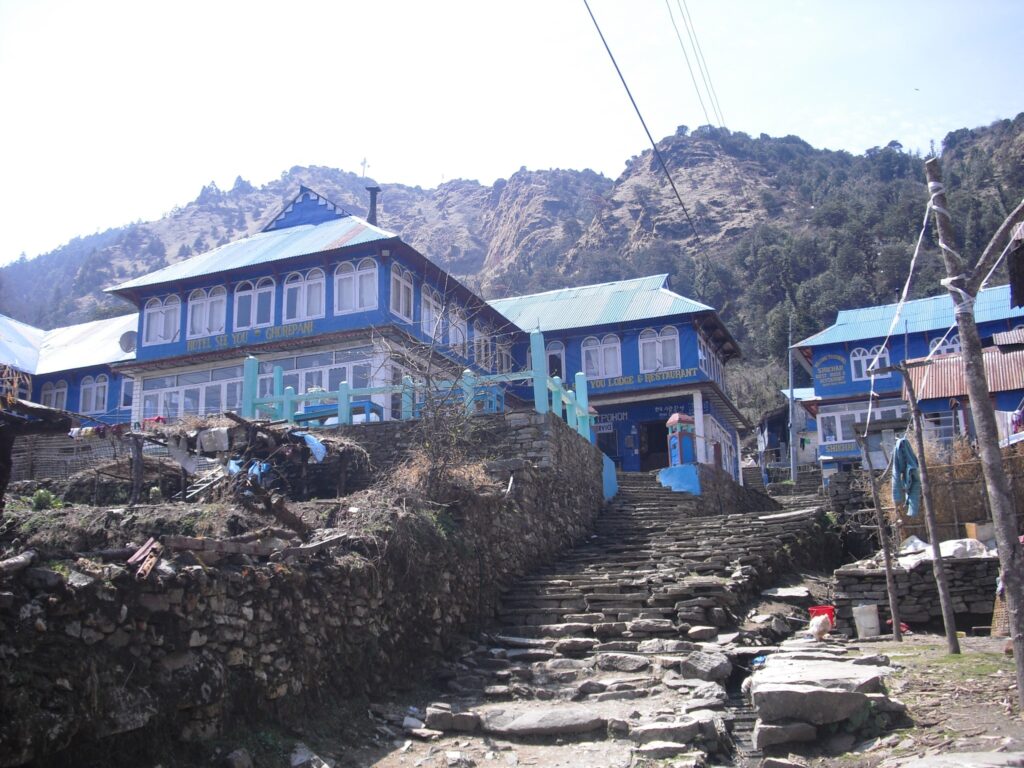
Nepal is widely celebrated for its breathtaking Himalayan landscapes, and among its countless trekking options, the Poon Hill Trek stands out as one of the most accessible, scenic, and rewarding trekking experiences in Nepal. From first-time trekkers to couples seeking a romantic getaway, retirees looking for serene trails, and adults chasing nature’s splendor, the Poon Hill Trek offers a unique combination of mountain vistas, lush forests, and cultural encounters. This comprehensive guide covers everything you need to know about this trek, including essential tips, do’s and don’ts, and why it may not be suitable if your goal is Everest, Annapurna Base Camp, or Langtang treks.
Introduction: Why Poon Hill is So Popular
The Poon Hill Trek, located in the Annapurna region, is often recommended for beginners due to its manageable length, gradual ascent, and the unforgettable reward of witnessing the sunrise over Annapurna and Dhaulagiri peaks. Unlike more challenging treks like Everest Base Camp or Langtang, Poon Hill can typically be completed in 3–5 days, making it an ideal choice for short holidays or weekend adventures.
Trekkers are drawn to Poon Hill not just for its stunning mountain views, but also for its rich vegetation, rhododendron forests, terraced hillsides, and small, welcoming villages. The trail passes through Ghorepani, Tadapani, and Ulleri villages, where locals warmly greet travelers and offer insights into traditional Nepalese life.
Who Should Consider Poon Hill Trek?
1. Beginners and First-Time Trekkers
The Poon Hill Trek is widely regarded as one of the most accessible treks in Nepal. For those who have never trekked in high-altitude regions before, it provides a gentle introduction to Himalayan trekking. The paths are mostly well-maintained, the altitude is moderate (Poon Hill is 3,210 meters above sea level), and the trek allows for gradual acclimatization.
2. Couples Seeking Romance
Imagine standing on Poon Hill at sunrise, the first rays of light painting the Annapurna range in golden hues, and holding your partner’s hand as the mountains glow. For couples, this trek provides privacy, scenic viewpoints, and intimate trekking moments, away from crowded tourist trails.
3. Retired Travelers
For retirees or those seeking low-intensity trekking, Poon Hill offers comfortable tea houses, minimal altitude stress, and the opportunity to enjoy nature at a relaxed pace. It is an ideal balance of physical activity and scenic reward.
4. Adults and Adventure Enthusiasts
Even for adults who are not beginners, Poon Hill offers photography opportunities, sunrise viewpoints, forest walks, and cultural immersion, without the extreme exertion required by longer Himalayan treks.
Why You Shouldn’t Choose Poon Hill if Your Goal is Everest or Annapurna Base Camp
While Poon Hill is stunning, it is important to note that this trek is not a substitute for Everest Base Camp, Annapurna Base Camp, or Langtang treks. If your goal is:
- High-altitude adventure
- Challenging long-distance trekking
- Extreme physical endurance tests
…then Poon Hill may feel too easy. Its gradual trails, short duration, and moderate altitude cannot prepare you for the physical and mental demands of high Himalayan treks. Consider it a gateway trek rather than a peak challenge.
Poon Hill Trek Difficulty: Understanding the Factors
Though widely regarded as an easy to moderate trek, difficulty varies depending on a person’s physical fitness, trekking experience, and mental preparation. The following factors can influence your experience:
1. Trekking Trail and Duration
The trail to Poon Hill is relatively short, but it is not entirely flat. Some sections, especially the Ulleri stairs, are steep and require sustained effort. Trekkers carrying heavy backpacks may find these sections more strenuous than they appear on a map. Regular breaks, pacing, and proper footwear help mitigate fatigue.
2. Seasons and Weather
Weather plays a significant role in trekking difficulty.
- Spring (March–May): Rhododendron forests in full bloom, moderate temperatures, and clear skies. Most popular season.
- Autumn (September–November): Crisp air, excellent visibility, and stable weather. Peak trekking season.
- Monsoon (June–August): Trails become muddy and slippery, making trekking challenging. Increased risk of leeches and insect bites.
- Winter (December–February): Cold nights, frost, and possible snow. Daytime trekking is manageable, but proper gear is essential.
3. Accommodation and Facilities
Tea houses along the trail provide basic lodging, usually including a bed, pillow, and blanket. There are no attached bathrooms, and facilities such as Wi-Fi, hot showers, or extra amenities may require additional payment. During peak seasons, pre-booking is recommended to secure rooms.
4. Altitude Awareness
At 3,210 meters, Poon Hill is unlikely to cause serious altitude sickness, but trekkers should still monitor themselves for mild symptoms like headaches, fatigue, or shortness of breath. Maintaining a steady pace, proper hydration, and occasional rest helps prevent discomfort.
5. Logistics: Flights and Transportation
Many trekkers start the journey from Pokhara, which requires either domestic flights or a 6–8 hour drive. Flight delays can disrupt schedules, so flexibility is important. Ground transport offers an alternative, though roads may be winding.
6. Financial Preparedness
No ATMs are available on the trail. Trekkers should carry sufficient Nepalese Rupees and exchange money beforehand. This ensures smooth transactions in tea houses and local markets.
7. Guide and Porter Services
Hiring a local guide helps with navigation, cultural understanding, and safety. A porter is recommended for carrying heavy backpacks, allowing trekkers to enjoy photography and the scenery without fatigue. Guides also mitigate language barriers and potential overcharging in local shops.
Scenic Highlights and Photographic Opportunities
- Sunrise at Poon Hill: The defining moment of the trek. Golden light bathes Annapurna, Dhaulagiri, Machhapuchhre, and Nilgiri peaks.
- Rhododendron Forests: Particularly vivid in spring, these forests line the trail with colors and fragrance.
- Terraced Villages: Ghorepani, Tadapani, and Ulleri showcase traditional rural life.
- Mountain Views Along the Trail: Even outside sunrise hours, trekkers enjoy panoramic vistas and tranquil forest landscapes.
Tips to Minimize Difficulty and Maximize Enjoyment
- Trek slowly and steadily, especially uphill sections.
- Take breaks often to rest and hydrate.
- Pre-book accommodation during peak seasons.
- Carry reusable water bottles and stay hydrated.
- Wear sturdy, waterproof trekking boots.
- Bring warm, full-sleeved clothes and layers for cold mornings.
- Pack extra blankets or a lightweight sleeping bag for winter.
- Keep all important documents and money safely.
- Consider hiring a guide and porter for ease and better experience.
- Maintain flexibility — weather, flights, and trail conditions can change.
Why Poon Hill Trek is Perfect for Couples, Adults, and Retirees
- Couples: Romantic sunrise and quiet trails offer shared moments away from crowds.
- Adults: Short duration and manageable challenge fit within busy schedules.
- Retirees: Moderate elevation and comfortable accommodations make it enjoyable without overexertion.
- Photographers: Stunning vistas, forests, and rural life provide endless photography opportunities.
The blend of accessibility, scenic beauty, and cultural encounters makes Poon Hill an ideal Himalayan trek for diverse groups seeking a memorable adventure without extreme challenge.
Final Thoughts
The Poon Hill Trek is one of Nepal’s most rewarding trekking experiences. Its difficulty is generally easy to moderate, making it perfect for beginners, couples, adults, and retirees. While it cannot substitute for more challenging treks like Everest Base Camp, Annapurna Base Camp, or Langtang, it offers breathtaking Himalayan scenery, cultural immersion, and unforgettable sunrise views.
Whether you are walking among rhododendron forests, climbing the Ulleri stairs, or watching the sun rise over snow-capped peaks, the joy and serenity of Poon Hill make it a must-experience trek for anyone exploring Nepal’s Himalayas.
Remember: Go prepared, go slow, and enjoy the Himalayan magic — Poon Hill is not just a trek, it’s an experience for the soul.