


Need help?
Talk to trip expertWhy Cold Is More Challenging Than Altitude in the Manaslu Circuit Trek
Why cold is more challenging than altitude in Manaslu is a question many trekkers, especially from the United States, ask before attempting the Manaslu Circuit Trek. While most travelers assume that the biggest challenge is altitude—crossing the Larkya La Pass at 5,160 meters—the harsh Himalayan cold often proves to be a more relentless and demanding adversary on this trek.
Unlike more popular treks such as Annapurna or Everest Base Camp, Manaslu is remote, less commercialized, and offers limited comfort. Nights are freezing, wind chills are extreme, and daily exposure to low temperatures can drain both physical energy and mental resilience.
This guide explains why cold is more challenging than altitude in Manaslu, based on trekker experiences, physiological factors, and practical insights for American travelers planning this journey.
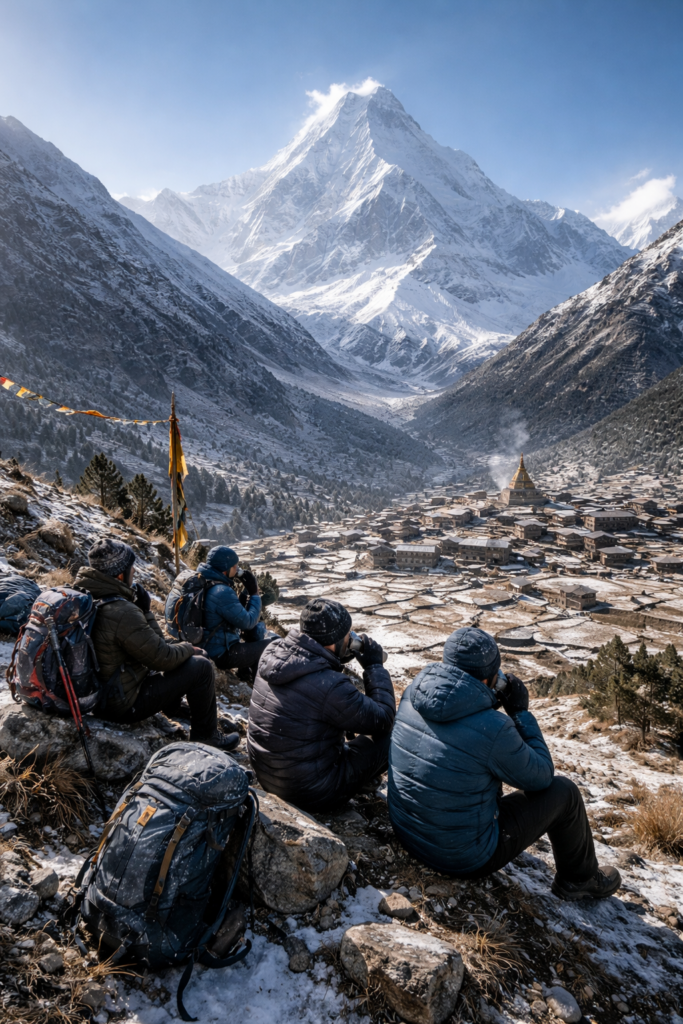
Understanding the Trek Environment
Before diving into the effects of cold and altitude, it’s important to understand the Manaslu Circuit environment:
Altitude range: 600 meters at the start (Soti Khola) to 5,160 meters at Larkya La Pass
Temperature range: -15°C to 10°C depending on elevation and season
Climate: Cold winds, snowfall at high passes, warm sun during daytime
Infrastructure: Basic teahouses, thin walls, limited electricity, and sparse heating
The trek covers approximately 177 km, passing through isolated villages like Machha Khola, Jagat, Samagaon, Samdo, and Bimthang, giving trekkers a unique Himalayan experience. However, these villages do not provide modern heating or insulation, making cold exposure constant.
Why Altitude Is Challenging – But Manageable
Many first-time trekkers worry about altitude sickness, and rightly so. AMS occurs due to low oxygen levels at high altitudes, causing headaches, nausea, dizziness, and fatigue. Symptoms usually appear above 2,500–3,000 meters, and become more pronounced near 4,500–5,000 meters.
On Manaslu:
Day 9 (Samagaon, 3,500m) – early signs of altitude stress appear
Day 11 (Samdo, 4,500m) – mild shortness of breath and light-headedness are common
Day 13 (Larkya La, 5,160m) – proper acclimatization is critical
Key point: Altitude effects are intermittent and predictable. With proper pacing, hydration, rest days, and acclimatization strategies, the body adjusts gradually. Medications like acetazolamide (Diamox) can help prevent severe AMS.
While altitude is challenging, it does not attack your comfort continuously, unlike cold.
Why Cold Weather Is More Demanding Than Altitude
Cold weather affects the body constantly, and often in subtle ways that are easy to underestimate, especially for trekkers from warmer climates like the U.S. Here’s why:
1. Continuous Energy Drain
When exposed to cold, your body burns calories to maintain core temperature. A 5–10 hour trekking day in sub-zero temperatures consumes significantly more energy than trekking at milder temperatures, even at high altitude.
Example: A trekker walking at 4,000 meters in temperatures of -5°C may burn up to 600–800 extra calories per day just to stay warm. Without sufficient nutrition, fatigue sets in quickly.
2. Impact on Physical Performance
Cold affects muscles, joints, and circulation:
Stiff muscles – walking uphill becomes harder
Slower reflexes – increases risk of slips or falls on rocky or icy trails
Reduced endurance – even simple tasks feel exhausting
Contrast this with altitude: while oxygen is lower, your body can compensate over time. Cold attacks your body’s efficiency constantly.
3. Mental Fatigue and Motivation
Cold is not just physical. It has psychological impacts:
Continuous discomfort reduces morale
Numb extremities make fine tasks (like tying shoelaces) frustrating
Anxiety increases during extreme weather or exposed passes
Motivation dips when every morning starts in freezing temperatures
Trekkers often report that dealing with cold is harder than managing shortness of breath at altitude.
4. Cold Amplifies Altitude Effects
Cold makes altitude symptoms worse:
Shivering increases oxygen demand, making breathing feel harder
Blood circulation slows, intensifying numbness in fingers and toes
Appetite drops, affecting calorie intake needed for energy
Fatigue and exhaustion appear sooner than in warm conditions
This combination can make trekkers feel more exhausted by cold than by climbing a high pass.
Daily Cold Challenges on the Manaslu Trek
Let’s examine the trek day by day to understand how cold impacts trekkers:
Day 3–4: Soti Khola to Machha Khola
Temperatures start to drop at night, around 5–10°C
Teahouses are basic, beds are thin, blankets minimal
Daytime hiking warms the body, but mornings and evenings are harsh
Day 6–8: Deng to Lho
Altitude rises above 3,000 meters
Nights reach near freezing
Wind chills increase on exposed ridges, especially during ascents
Muscle stiffness from cold slows walking pace
Day 10: Rest Day at Samagaon
Cold exposure continues even when resting
Limited heating in teahouses prevents full recovery
Trekker experiences slower metabolism and mild fatigue
Day 11–13: Samdo to Larkya La Pass
Above 4,500 meters, daytime temperatures often fall below 0°C
Snow, ice, and wind chill can reduce perceived temperatures to -15°C or lower
Cold amplifies altitude fatigue
Mental focus is crucial to avoid slips or injuries
Day 14–16: Descent to Besisahar and Kathmandu
Cold persists during early mornings and shaded trails
Energy recovery begins only when temperatures rise and hot meals are available
Essential Gear to Combat Cold
Proper preparation is critical. Here’s what experienced trekkers bring:
Clothing Layers
Base layer: Moisture-wicking thermal underwear
Mid layer: Fleece or insulated jacket for warmth
Outer layer: Waterproof, windproof shell
Accessories: Gloves, beanie, balaclava, thermal socks
Footwear: Insulated, waterproof trekking boots
Sleeping Gear
Sleeping bag rated for -15°C to -20°C
Extra blankets if teahouse supplies are insufficient
Hot water bottles for warming beds
Accessories
Hand and foot warmers
Sunglasses for snow glare
Buffs or scarves to cover face and neck
Nutrition and Hydration Tips
Cold weather increases caloric needs:
Eat high-calorie meals: Rice, noodles, soups, nuts, and chocolate
Drink warm fluids: Tea, soup, or hot water to maintain body temperature
Avoid alcohol: It lowers core temperature and increases hypothermia risk
Snack frequently: Keeps energy levels up during long hikes
Mental Strategies to Handle the Cold
Cold is as much mental as physical. Trekkers can use these strategies:
Positive mindset: Treat cold as a challenge, not an obstacle
Short, frequent breaks: Move hands and feet to maintain circulation
Mindful breathing: Helps cope with discomfort and altitude simultaneously
Celebrate milestones: Reaching villages, teahouses, or passes boosts morale
Why Americans Often Struggle More
Many American trekkers underestimate Himalayan cold because:
Most live near sea level with mild winters
Few have experience with multi-day exposure to sub-zero temperatures
Cold requires continuous layer management, mental stamina, and calorie intake
Mental adaptation is as crucial as physical training
Fact: Even physically fit trekkers can struggle if unprepared for cold, making it the primary challenge of the Manaslu Circuit.
Practical Tips for Preparation
Train in cold conditions: If possible, hike in chilly weather before the trek
Invest in high-quality gear: Cold weather gear is not optional
Plan for proper acclimatization: Include rest days to reduce combined cold + altitude stress
Monitor symptoms: Fatigue, shivering, and numbness are warning signs
Pace yourself: Avoid overexertion, especially on exposed trails
Stay hydrated and fueled: Cold suppresses thirst but does not reduce your need for fluids
Buddy system: Trek with companions to watch for hypothermia signs
Common Myths About Cold vs Altitude
Myth 1: “Altitude is always the hardest part.”
Reality: Cold attacks endurance every hour, not just when climbing.Myth 2: “Layers alone are enough to survive.”
Reality: Layering works only if combined with proper nutrition, pacing, and mental resilience.Myth 3: “Cold doesn’t affect mental focus.”
Reality: Mental fatigue is significant and increases accident risk.
FAQs
Q1: Can cold cause altitude sickness?
Indirectly, yes. Cold increases oxygen demand and circulation stress, which can intensify AMS symptoms.
Q2: How to prevent frostbite?
Keep extremities covered, wear insulated gloves and socks, and avoid wet clothes.
Q3: Is hot tea enough to stay warm?
Hot tea helps, but you need insulated clothing, sleeping gear, and movement to maintain core temperature.
Q4: Are teahouses heated?
Most teahouses on Manaslu are basic; heating is limited or unavailable. Be prepared for cold nights.
Final Thoughts
The Manaslu Circuit Trek is not just a physical journey—it’s a test of resilience, preparation, and mental strength. While altitude is often feared, the cold is relentless, persistent, and more exhausting than thin air.
For American trekkers, understanding the true impact of cold, preparing thoroughly, and pacing wisely ensures that the trek is safe, enjoyable, and memorable. Those who embrace the challenge find that cold is not just an obstacle, but an integral part of the authentic Himalayan experience.
With the right gear, nutrition, and mindset, you can conquer the cold, acclimatize to the altitude, and fully enjoy the majestic Manaslu Circuit Trek.
Notice for Trekkers: Have you ever wondered why cold is more challenging than altitude in Manaslu? Many American travelers prepare for the high passes and thin air, but the relentless Himalayan cold often becomes the true test of endurance.
From icy mornings to wind-swept ridges above 4,500 meters, every step on the Manaslu Circuit Trek is influenced by freezing temperatures. Unlike Annapurna or Everest Base Camp, where lodges provide comfort, Manaslu’s remote villages offer minimal protection. Nights are long, walls are thin, and the body must constantly work to maintain warmth.
This guide answers the question: Why does cold become the real challenge for trekkers on Manaslu, often surpassing altitude itself? We’ll explore the physical, mental, and practical impacts of Himalayan cold and provide insights specifically for American trekkers planning this unforgettable journey.
Table of Contents
