



Dipendra Dhakal
+977-9851093471 (Whatsapp)Everest Base Camp Trek Cost 2026/2027 – 15 Days
13 reviews in Tripadvisor

Duration
15 Days
Group Size
2-16 pax
Difficulty
Moderate
Max. Altitude
5,364m. / 17,598ft.
Meals
Breakfast, Lunch, Dinner
Accommodation
Hotel, Lodge
Transportation
Bus , Flight
Activities
Trekking Price starts
US$ 1360
We offer group discounts
- 1 - 2 personUS$ 1499
- 3 - 5 personUS$ 1360
- 6 - 9 personUS$ 1299
- 10 over 9999 US$ 1199
Total Cost:
US$ 1499
Need Help? Ask Questions 

Introduction of Everest Base Camp Trek Cost 2026/2027 – 15 Days
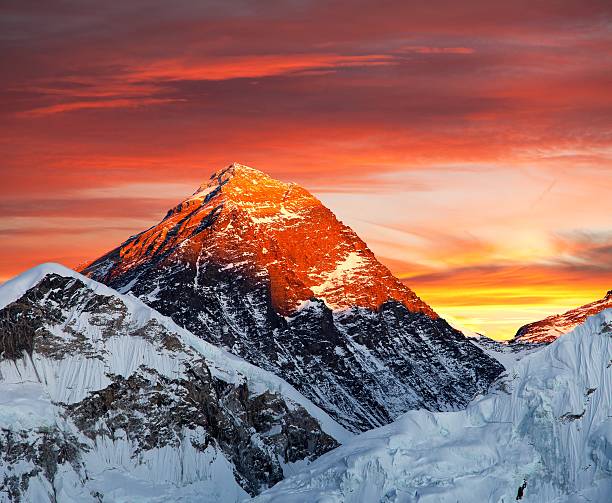
Everest Base Camp Trek Cost starts from US$ 1,399 for a 15-day fully guided trek, operated locally in Nepal by Adventure Walkways.
The Everest Base Camp trek cost is one of the most searched trekking queries in the world — yet also one of the most misunderstood. Prices range from US$ 1,100 to over US$ 4,000, often without a clear explanation of why.
This page exists to do what most trekking companies avoid:
Explain real Everest Base Camp trek costs
Reveal hidden and indirect expenses
Break down day-wise cost pressure
Compare foreign vs local pricing models
Show demographic-based expectations
Help trekkers choose value, not illusion
This is not a promotional article.
This is a price reality guide for Everest Base Camp trekking in 2026 and 2027.
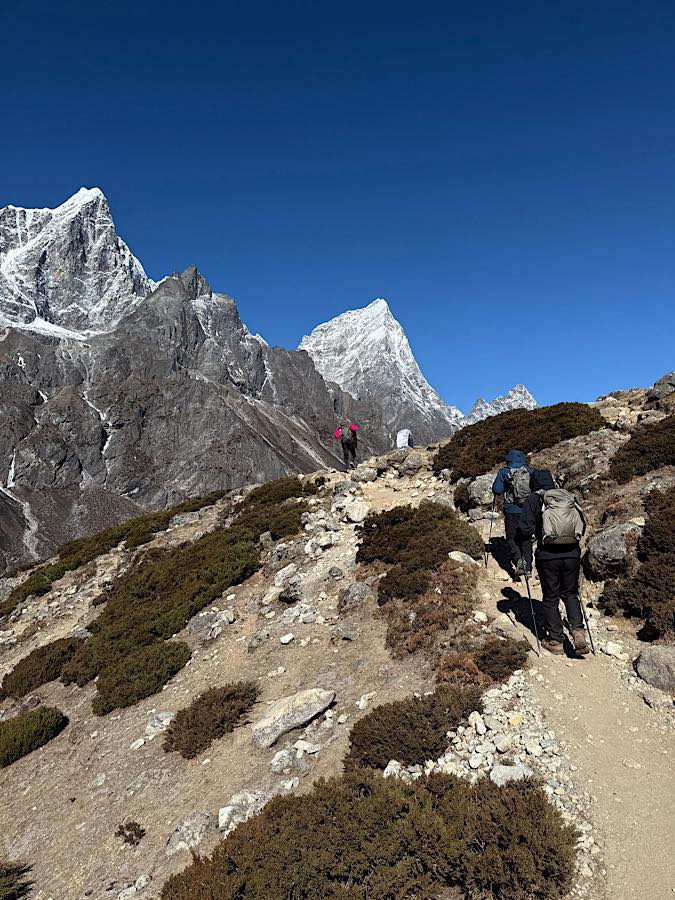
Everest Base Camp Trek Cost Overview (15 Days)
Price Starts From: US$ 1,399
Trip Duration: 15 Days
Maximum Altitude: 5,545m (Kala Patthar)
Difficulty Level: Moderate to Challenging
Accommodation: Kathmandu Hotel + Mountain Tea Houses
Start / End Point: Kathmandu, Nepal
Trekking Region: Everest (Khumbu)
This Everest Base Camp trek cost is based on direct local operation, not overseas outsourcing.
Why Everest Base Camp Trek Cost Is So Confusing Online
When trekkers search “Everest Base Camp trek cost”, they are usually shown:
One single price
A short “included/excluded” list
No explanation of altitude-based cost changes
No mention of staff insurance or risk coverage
The Reality:
Everest trekking is not a fixed-cost product.
It is a logistics-driven, altitude-sensitive operation where prices shift daily based on:
Elevation
Accessibility
Weather
Staff safety requirements
Group size efficiency
This is why Everest Base Camp trek cost transparency matters more than low pricing.
How Everest Base Camp Trek Cost Is Actually Built (3-Layer Model)
Every ethical Everest Base Camp trek cost consists of three cost layers.
Layer 1: Fixed Himalayan Costs (Non-Negotiable)
These costs exist regardless of operator:
Kathmandu–Lukla–Kathmandu flights
Sagarmatha National Park permit
Khumbu Pasang Lhamu Rural Municipality fee
These form the baseline Everest Base Camp trek cost.
Any package priced too low often reduces safety in Layer 2.
Layer 2: Human Cost (Most Hidden by Other Companies)
This is where major price differences occur.
Trekking Guide Costs:
Government-licensed
High-altitude trained
Emergency response capable
Fully insured (altitude + evacuation)
Porter Costs:
Ethical load limits
Proper clothing & accommodation
Full insurance coverage
Hidden Reality:
Many budget operators:
Do not insure porters fully
Deduct insurance cost from porter wages
Rely on tips to cover staff survival
Adventure Walkways includes:
Guide SIM + data: US$ 30
Porter SIM + data: US$ 25
(for safety & coordination)
These costs are rarely disclosed publicly.
Layer 3: Altitude Living Costs (The Silent Price Climber)
As altitude increases:
Food prices rise
Accommodation availability drops
Transportation costs multiply
Above 4,000m, food prices increase by 30–40%.
This is why Everest Base Camp trek cost is day-wise variable.
Day-Wise Everest Base Camp Trek Cost Pressure Explained
Day 01: Arrival in Kathmandu
Cost Factors:
Airport transfer
Hotel accommodation
Staff coordination
✔ Included
Day 02: Kathmandu Sightseeing / Trek Preparation
Cost Factors:
Permit processing
Gear checks
Optional sightseeing transport
✔ Permit handling included
Day 03: Kathmandu to Lukla Flight – Trek to Phakding
Highest Single Cost Day
Lukla flights fluctuate seasonally
Strict baggage weight management
Weather buffer logistics
This flight alone can account for 20–25% of total Everest Base Camp trek cost.
Day 04–05: Phakding to Namche Bazaar
Cost Increase Due To:
Porter wages
Namche lodge pricing
Food transport difficulty
✔ Acclimatization day cost included (critical safety factor)
Day 06–08: Tengboche to Dingboche
Above 4,000m Zone
Limited lodges
High food prices
Extra staff days
Skipping acclimatization reduces price — and drastically increases risk.
Day 09–11: Lobuche – Gorakshep – Everest Base Camp – Kala Patthar
Peak Cost Zone
Highest lodge pricing
Long trekking hours
Multiple meals per day
Increased guide responsibility
This is the most expensive operational phase.
Day 12–15: Return to Kathmandu
Costs reduce gradually but include:
Final porter payments
Lukla return flight
Weather contingency management
Group Size vs Everest Base Camp Trek Cost (2026/2027)
| Group Size | Price Per Person |
|---|---|
| 1–2 | US$ 1,499 |
| 3–5 | US$ 1,360 |
| 6–9 | US$ 1,299 |
| 10–15 | US$ 1,199 |
Larger groups share fixed costs, reducing the per-person Everest Base Camp trek cost without lowering safety or service.
Everest Base Camp Trek Cost: Foreign Company vs Local Operator
| Booking Source | Average Cost |
|---|---|
| Foreign Companies | US$ 2,200 – 3,800 |
| Local Thamel Agencies | US$ 1,200 – 1,600 |
| Adventure Walkways | From US$ 1,399 |
Why Foreign Companies Cost More:
Overseas offices
International marketing teams
Brand premiums
Outsourced local operations
Reality:
The trek is still operated by Nepali guides and porters.
Demographic Data: Who Searches “Everest Base Camp Trek Cost”?
Age Group:
25–34 years: 42%
35–44 years: 31%
45–54 years: 17%
Travel Style:
68% prefer guided treks
74% want transparent pricing
61% fear hidden costs more than altitude
Top Search Regions:
USA
UK
Australia
Germany
India
Country-Wise Everest Base Camp Trek Cost Expectations
USA / Canada
Budget expectation: US$ 2,500–3,500
Priority: Safety, clarity, English-speaking guides
✔ Local booking saves up to 40%
UK / Europe
Budget: US$ 2,200–3,200
Priority: Ethical trekking & sustainability
✔ 100% local employment model
Australia / New Zealand
Budget: US$ 2,300–3,600
Priority: Small groups & flexibility
✔ Small-group departures available
India
Budget: US$ 1,100–1,600
Priority: Value & cultural experience
✔ Cost-efficient, no compromise on safety
Hidden Everest Base Camp Trek Costs Most Companies Don’t Explain
1. Guide & Porter Insurance
Many companies:
Offer partial insurance
Pass costs to staff
Expect tips to cover risk
✔ Adventure Walkways includes full insurance.
2. Altitude Risk Management
Low-cost operators often:
Skip acclimatization days
Push trekkers too fast
Reduce guide-to-client ratio
✔ Safety days included without extra charge.
3. Communication & Emergency Coordination
SIM cards
Data plans
Network redundancy
✔ Included quietly — rarely advertised.
What Is Included in Everest Base Camp Trek Cost (US$ 1,399)
Domestic flights (KTM–Lukla–KTM)
All trekking permits
Licensed trekking guide
Porter service (2 trekkers : 1 porter)
Tea house accommodation
Kathmandu hotel
Airport transfers
First-aid & altitude safety support
Guide & porter insurance
Government taxes
What Is Not Included (Clearly Stated)
International airfare
Nepal visa fee
Personal trekking gear
Travel insurance
Tips (voluntary)
Is Everest Base Camp Trek Cost of US$ 1,399 Worth It?
When you compare:
Safety standards
Staff treatment
Success rate
Transparency
On-ground support
US$ 1,399 is a realistic, ethical, and competitive Everest Base Camp trek cost for 2026/2027.
Final Verdict: Choose Value Over Illusion
Everest does not reward shortcuts.
The best Everest Base Camp trek cost is not the cheapest —
It is the one that:
Protects people
Explains reality
Delivers safely
Respects the mountains
Adventure Walkways offers one of the most transparent Everest Base Camp trek costs in Nepal.
Compare Foreign vs Local Pricing Models for Everest Base Camp Trek
When it comes to Everest Base Camp trekking, understanding the difference between foreign companies and local Nepali operators is crucial — not just for cost, but for safety, experience, and authenticity.
Foreign trekking companies often charge US$ 2,200–3,800 for a 15-day trek. This higher price reflects overseas overheads, including international offices, marketing teams, and brand premiums, even though the actual trekking operations — guides, porters, accommodations, and logistics — are still handled locally in Nepal. While they promise convenience, trekkers may face rigid schedules, limited flexibility, and less transparent cost structures.
Local trekking companies, like Adventure Walkways, offer transparent pricing starting from US$ 1,399 by directly managing all on-ground operations. Guides are licensed, high-altitude trained, and fully insured, porters are ethically employed and covered, and group sizes are optimized for both safety and efficiency. Trekkers often report feeling safer, better supported, and more connected to the local culture when choosing local operators.
Advantages of Choosing Local Operators:
Transparent, all-inclusive pricing without hidden fees
Ethical treatment and insurance for guides and porters
Flexibility and personalized support on trekking days
Insider knowledge of trails, weather, and acclimatization
Direct contribution to the Nepalese trekking community
In short, while foreign companies may appear convenient, local operators provide better value, higher safety, and a more authentic Everest trekking experience — making them the preferred choice for smart, responsible trekkers.
The Reality of Trekking Prices in Thamel, Nepal
Thamel is the main hub of Nepal’s trekking and tourism industry. Hundreds of trekking companies operate within a small area, offering similar itineraries such as the Everest Base Camp trek. However, behind this abundance of choice lies a widespread pricing problem that many trekkers are unaware of.
In the Thamel market, trekking prices are often not based on structured cost models. Many companies set prices arbitrarily, depending on negotiation skills, season, or how urgently a trek needs to be sold. Two travelers requesting the same Everest Base Camp itinerary can receive entirely different prices from the same company. In many cases, itineraries are not carefully designed, acclimatization days are reduced, and essential services are adjusted or removed to fit a low advertised price.
As a result, trekking packages are frequently sold with random pricing and unclear inclusions, creating confusion and risk for trekkers.
Hidden Compromises Behind Low Prices
Very low-priced trekking offers usually rely on hidden compromises rather than genuine efficiency. Common cost-cutting practices in the Thamel market include inadequate insurance for guides and porters, underpayment of staff, overloaded porters, and poor preparation for altitude-related emergencies.
These compromises are rarely visible at the booking stage. Trekkers often discover them only during the journey, through unexpected payments on the trail, reduced services, or safety concerns. What appears inexpensive at first can become costly — financially, physically, and emotionally — once the trek begins.
The Adventure Walkways Difference
Adventure Walkways operates on a fundamentally different principle. Instead of adjusting prices randomly or competing to be the cheapest in the market, the company follows a fair, ethical, and transparent pricing system based on real Himalayan costs.
Adventure Walkways does not believe in selling treks through negotiation-based pricing or unclear itineraries. Every trek is designed with proper acclimatization, realistic daily distances, and full consideration for safety and comfort. Prices are built on operational reality, not marketing tactics.
The Adventure Walkways 3-Layer Pricing Model
To eliminate confusion and build trust, Adventure Walkways uses a 3-layer pricing model that clearly explains how Everest Base Camp trek costs are constructed.
Layer 1 includes unavoidable Himalayan expenses such as domestic flights, government permits, and base logistics.
Layer 2 covers human costs, including licensed guides, insured porters, fair wages, safety equipment, and communication systems.
Layer 3 reflects real living costs at high altitude, such as accommodation, meals, fuel, and transportation of supplies along the trail.
This structure ensures that every essential element of the trek is accounted for transparently.
Flexible Choices Without Compromising Safety
Adventure Walkways understands that trekkers have different budgets and expectations. Therefore, the company offers flexible booking options within the 3-layer framework, allowing trekkers to choose a structure that best suits their needs.
However, flexibility never comes at the expense of safety, legality, or ethical responsibility. Core standards such as proper acclimatization, insured staff, and reliable logistics are always maintained, regardless of the chosen option.
Trip Reviews
Price starts
US$ 1360
We offer group discounts
- 1 - 2 personUS$ 1499
- 3 - 5 personUS$ 1360
- 6 - 9 personUS$ 1299
- 10 over 9999 US$ 1199
Total Cost:
US$ 1499
Need Help? Ask Questions
Dipendra Dhakal
+977-9851093471 (Whatsapp)