


Need help?
Talk to trip expert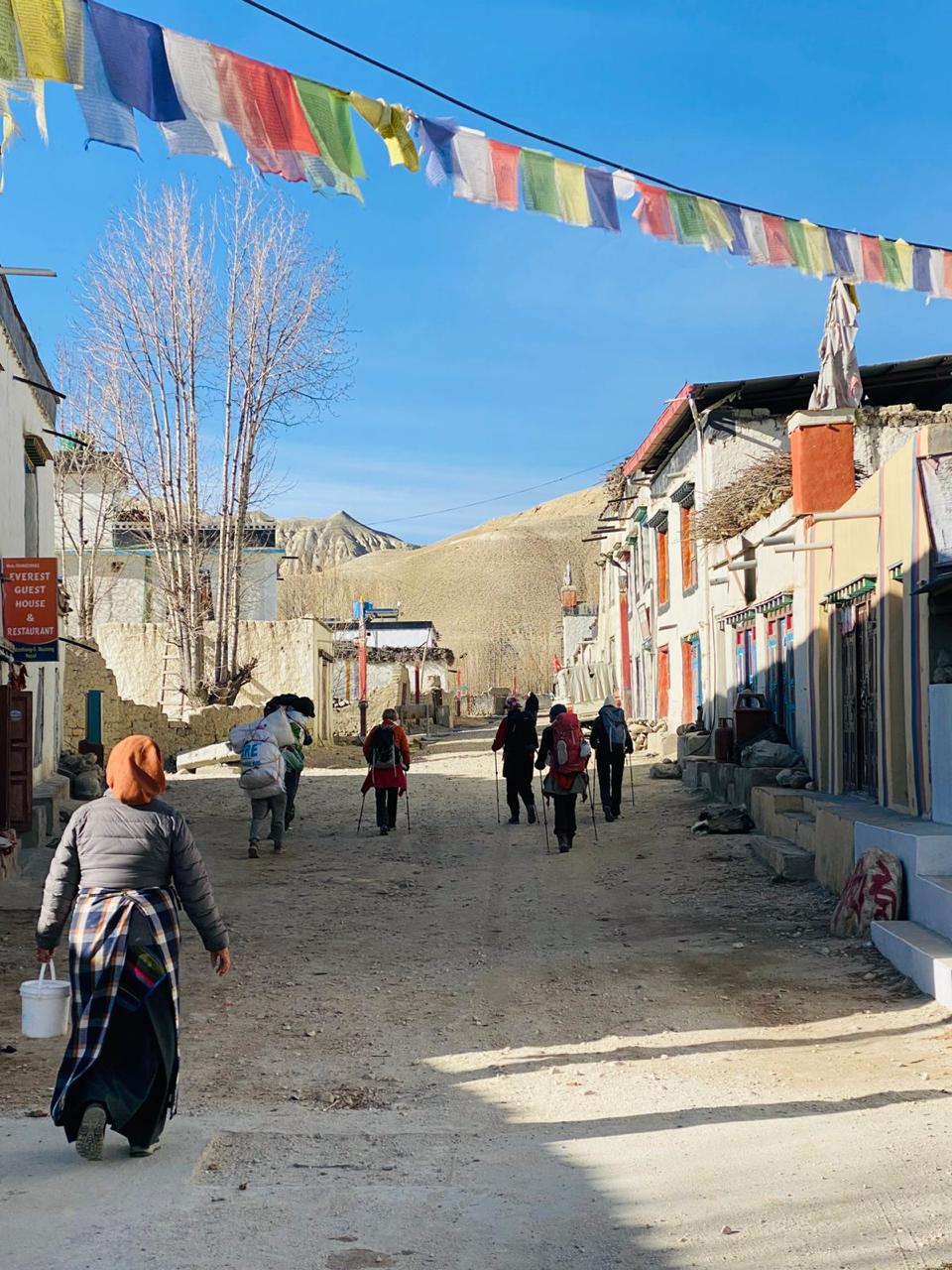
The question sounds simple:
“Do I need a guide for trekking in Nepal, or can I go solo?”
But once you start planning your journey, you quickly realize—it’s not that straightforward.
Between changing rules, high-altitude risks, unfamiliar trails, and cultural differences, this decision can shape your entire experience in the Himalayas.
This is not just another generic guide.
This is a realistic, experience-based blog to help you understand what trekking in Nepal is actually like—and what choice truly makes sense for you.
When You First Plan Your Trek: What Really Goes Through Your Mind
It usually starts with excitement.
You open your laptop, search for trekking in Nepal, and suddenly you’re looking at breathtaking Himalayan views, snow-covered peaks, and peaceful mountain trails. Everything feels magical, almost unreal.
Then slowly… the questions begin to appear.
How difficult is the trek?
What about altitude sickness?
Are the trails easy to follow?
Will I get lost?
Do I need a map or GPS?
Is it safe to go alone?
At first, it feels simple. You think:
“Thousands of people do this every year… how hard can it be?”
But the more you research, the more you realize—this is not just a normal hike.
You start reading about:
- High-altitude challenges where breathing becomes harder
- Trails that split in forests without clear signs
- Limited internet where Google Maps won’t help
- The weather changes within hours in the mountains
And suddenly, that excitement mixes with uncertainty.
What if I take the wrong trail?
What if I feel sick at high altitude?
What if something goes wrong and I’m alone?
This is the exact moment where most trekkers start looking for answers.
And that’s where this guide comes in.
To give you clarity, confidence, and a realistic understanding of trekking in Nepal.
Because once you understand how things actually work on the trail, the fear turns into preparation—and the journey becomes much more enjoyable.
And that’s why the guide vs solo decision becomes so important.
🇳🇵 Current Rules: Is a Guide Mandatory in Nepal?
In recent years, Nepal has updated its trekking regulations.
For most popular trekking regions, hiring a licensed guide is now required.
✔ Major Routes Where Guides Are Expected or Required:
- Everest Base Camp Trek
- Annapurna Base Camp Trek
- Langtang Valley Trek
- Manaslu Circuit Trek
At many checkpoints, authorities check:
- Trekking permits
- TIMS card
- Guide details (increasingly enforced)
While enforcement may vary by region, the trend is clear:
Nepal is moving toward guided trekking for safety and regulation.
Can Foreigners Still Trek Solo in Nepal?
The honest answer: Yes—but with limitations.
Possible Solo Trekking Areas:
- Short, low-altitude treks
- Day hikes around Kathmandu or Pokhara
- Less regulated or remote routes
Reality on the Ground:
Even if technically allowed:
- You may be stopped at checkpoints
- Lodges may ask for guide details
- In emergencies, you are completely on your own
Solo trekking is becoming less practical, especially for first-time visitors.
What Having a Guide Really Feels Like
Many travelers think a guide is just someone walking ahead.
But in Nepal, a good guide becomes your support system.
He helps you:
- Stay on the right trail when paths split
- Understand altitude and adjust your pace
- Communicate with locals in remote villages
- Find the best places to stay and eat
You stop worrying about “what if” and start enjoying “what is.”
Need Help? We’re Here for You
If you have any questions or need help planning your trekking adventure in Nepal, feel free to reach out to us anytime.
Simply fill out the contact form below, and our team will support you 24/7 with all your queries related to trekking in Nepal.
Whether it’s about routes, guides, safety, permits, or costs—we’re always here to help you make your journey safe and unforgettable.
What Solo Trekking Really Feels Like
There is something deeply appealing about trekking alone.
The Positives:
- Full freedom and flexibility
- Personal reflection and quiet time
- A sense of independence
The Hidden Challenges:
- Constant navigation decisions
- No support in case of altitude sickness
- Difficulty finding accommodation in peak seasons
- Feeling isolated in unfamiliar environments
The idea is romantic—but the reality can be challenging.
Safety in Nepal Trekking: What You Should Know
Altitude Sickness
This is the biggest risk.
- It can affect anyone
- Symptoms can worsen quickly
- Descending at the right time is critical
A guide helps you make the right decision at the right time.
Trails & Navigation
This is something many trekkers underestimate.
Trails in Nepal are not always clearly marked.
- Some paths split without signs
- Some routes change due to landslides
- Maps are not always reliable
Without experience, it’s easy to get confused.
Cost of Hiring a Guide in Nepal
- Guide: $25–$35 per day
- Porter: $20–$30 per day
For the value, this is very affordable.
Final Thought
When you first plan your trek, everything feels exciting—but also uncertain.
And that’s completely normal.
The goal is not just to reach the destination.
The goal is to feel confident, safe, and fully present during the journey.
And sometimes, having a guide is what turns confusion into confidence—and a trek into a lifelong memory.
Table of Contents
- When You First Plan Your Trek: What Really Goes Through Your Mind
- 🇳🇵 Current Rules: Is a Guide Mandatory in Nepal?
- Can Foreigners Still Trek Solo in Nepal?
- What Having a Guide Really Feels Like
- Need Help? We’re Here for You
- What Solo Trekking Really Feels Like
- Safety in Nepal Trekking: What You Should Know
- Cost of Hiring a Guide in Nepal
- Final Thought
