


Need help?
Talk to trip expertEverest Base Camp Trek 12 Days – The Ultimate Adventure Guide
When most adventurers dream about trekking to the Everest Base Camp, their minds immediately wander to the towering peaks, sweeping Himalayan vistas, and the promise of a journey unlike any other. But alongside that excitement comes a set of questions and concerns that can make planning daunting: How many days should the trek be? How to acclimatise properly? How to balance adventure with comfort? How can I make the most of my limited vacation days while experiencing the Everest region fully?
At Adventure Walkways, we understand these concerns deeply. Trekking in the Everest region is physically demanding, mentally challenging, and culturally enriching, and choosing the right itinerary is crucial to turning a dream trek into an unforgettable, safe, and enjoyable experience. That is why we carefully designed our Everest Base Camp Trek 12 Days itinerary—a perfect balance of adventure, acclimatisation, and leisure—tailored to fit both first-time trekkers and seasoned adventurers.
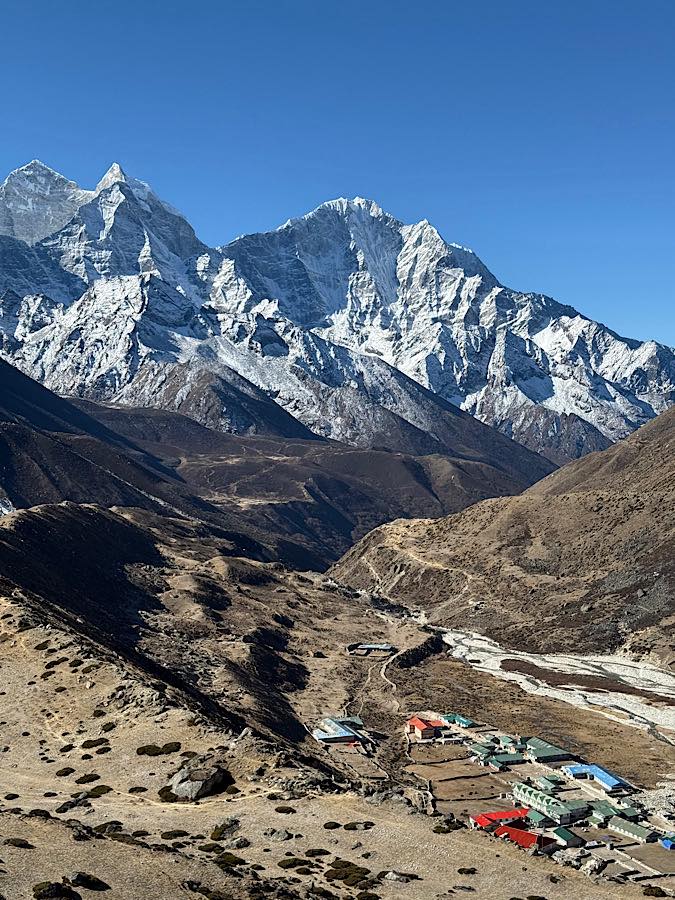
Why 12 Days is the Perfect Duration
Many trekking companies offer long itineraries, sometimes stretching 14, 16, or even 17 days, thinking longer treks are better. But at Adventure Walkways, we know that quality beats quantity. A trek is not only about reaching the Base Camp; it’s about enjoying each moment, absorbing the culture, taking in the breathtaking landscapes, and staying healthy and safe along the way.
The 12-day Everest Base Camp Trek is ideal for:
Trekkers with limited vacation time who still want a full Himalayan experience
Those seeking proper acclimatization without spending unnecessary extra days
Adventurers who want to balance physical challenge with mental preparedness
People who wish to enjoy local culture and festivals while trekking
This duration ensures that you are not rushing through villages or missing out on spectacular sights. Every stop is strategically planned for altitude acclimatization, giving your body time to adjust and allowing you to trek safely and confidently.
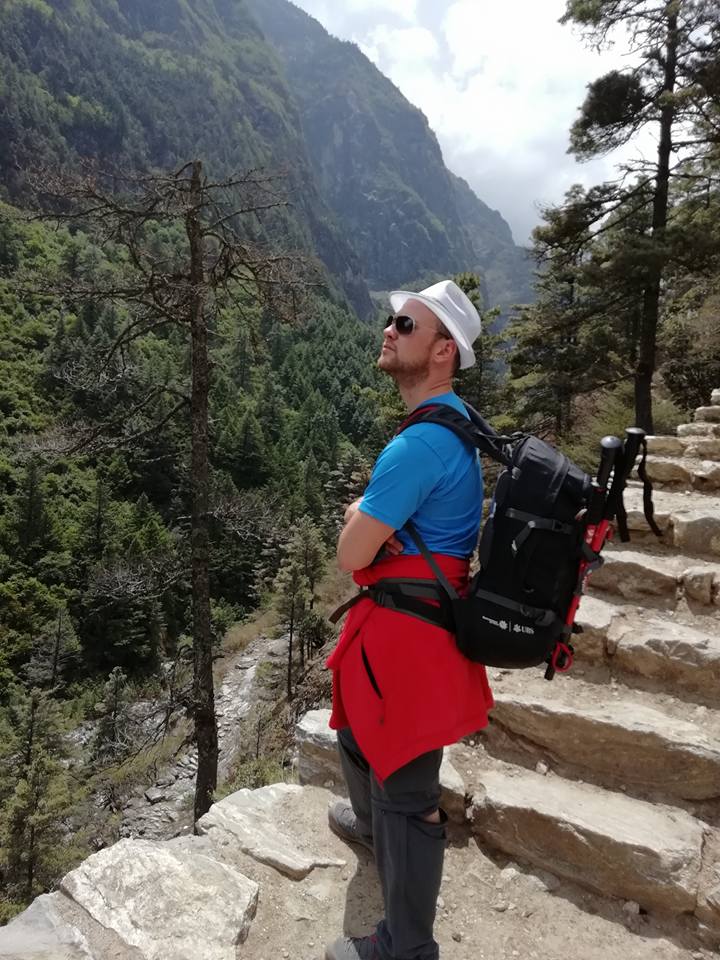
The Mental and Physical Challenge of Everest
Trekking in the Everest region is not just a physical feat—it is a mental journey. The high altitude, changing weather, and rugged trails can test your endurance and resilience. For many trekkers, the mental challenge is just as demanding as the physical one. Thoughts about whether they are fit enough, whether the trek will be too exhausting, or whether they will enjoy the local culture all weigh on the mind.
But with careful preparation, the right guidance, and a well-planned itinerary, these challenges become part of the adventure rather than obstacles. Our 12-day trek accounts for:
Daily altitude gain to minimize risk of Acute Mountain Sickness (AMS)
Rest days and acclimatization stops at villages like Namche Bazaar, Dingboche, and Lobuche
Comfortable teahouse stays that allow you to recharge and enjoy hearty local meals
Guided support from experienced Himalayan guides who know the region intimately
By approaching the trek with mental readiness, physical conditioning, and proper guidance, every trekker can transform Everest Base Camp from a daunting dream into a thrilling and achievable adventure.
Day-by-Day Journey: The Story of the Trek
Imagine waking up in Kathmandu, Nepal’s vibrant capital, ready to step into the mountains. The journey begins with a scenic flight to Lukla, the gateway to the Everest region. The plane dips low over rivers and cliffs, offering a rare glimpse of the towering peaks that await. For many trekkers, this is the first taste of the Himalayas’ majesty—a moment that sets the tone for the days to come.
Day 1 – Arrival in Kathmandu and Preparation
Before setting foot in the mountains, trekkers spend a night or two in Kathmandu. Here, you can prepare, meet your guides, organise gear, and enjoy the city’s lively culture. Adventure Walkways guides, especially our expert Dipendra Dhakal, provide personalised advice on packing, trekking pace, and what to expect on the trail.
Day 2 – Flight to Lukla and Trek to Phakding
The Lukla flight is both thrilling and nerve-wracking, with spectacular Himalayan views. Landing safely, trekkers begin their journey to Phakding, passing through rivers, rhododendron forests, and traditional villages. The first night at a cozy teahouse allows you to rest, enjoy local cuisine, and begin acclimatizing.
Day 3 – Trek from Phakding to Namche Bazaar
The trek becomes more challenging as you enter the Sherpa heartland. Suspension bridges, flowing rivers, and lush landscapes make every step memorable. Namche Bazaar, the main trading hub, offers a chance to explore local markets, enjoy warm teahouses, and prepare for higher altitudes.
Day 4 – Acclimatization Day at Namche Bazaar
Acclimatization is crucial. Trekkers explore nearby trails, visit Sagarmatha National Park viewpoints, and get a taste of Sherpa culture. This day is essential for mental and physical preparation for the higher altitudes ahead.
Day 5 – Trek to Tengboche
The trail leads through forests, rivers, and suspension bridges. Tengboche is home to a famous monastery, offering spiritual and cultural immersion. Trekkers can enjoy panoramic Himalayan views while resting at local lodges.
Day 6 – Trek to Dingboche
As altitude increases, the trek becomes more demanding. Dingboche provides comfortable teahouses and warm meals—perfect for preparing the body for even higher elevations.
Day 7 – Acclimatization at Dingboche
Another acclimatization day allows trekkers to hike nearby ridges for views of Ama Dablam, Island Peak, and Lhotse. Mental toughness is built here as trekkers face thin air, steep climbs, and cold winds, but also enjoy stunning scenery.
Day 8 – Trek to Lobuche
Trekking past moraine valleys and glacial streams, Lobuche offers simple lodges and the satisfaction of approaching the Everest Base Camp region. The scenery becomes more dramatic, and trekkers feel the thrill of being in the high Himalayas.
Day 9 – Trek to Gorak Shep and Everest Base Camp
This is the highlight of the trek. The path to Gorak Shep is rugged and winds through glacial landscapes. From Gorak Shep, trekkers continue to Everest Base Camp, standing at the foot of the world’s highest peak. The sense of achievement, the icy vistas, and the camaraderie among trekkers create memorable and emotional moments.
Day 10 – Kala Patthar Sunrise and Trek Back to Pheriche
Early morning hike to Kala Patthar offers panoramic views of Everest, Lhotse, and Nuptse. The trek back allows reflection on the journey, and staying at Pheriche provides comfort after a demanding day.
Day 11 – Trek to Namche Bazaar
The descent offers a new perspective of the landscape and villages. Trekkers enjoy cultural interactions, local markets, and community experiences that enrich the journey.
Day 12 – Trek to Lukla and Rest
On the 12th day, trekkers descend back to Lukla, completing the challenging yet thrilling journey through the Everest region. After arriving in Lukla, you will rest at a comfortable teahouse, enjoy a hearty meal, and reflect on the incredible experiences of the trek. This day allows you to recharge and relax, preparing for your flight back to Kathmandu the next day.
Day 13 – Flight Back to Kathmandu & Program Conclusion
On the final day, trekkers take a scenic flight from Lukla to Kathmandu, witnessing the majestic Himalayan panorama one last time. Upon arrival in Kathmandu, Adventure Walkways staff will assist with airport transfers or hotel arrangements as needed. With this, your Everest Base Camp Trek 12-Day program officially concludes, leaving you with unforgettable memories, remarkable experiences, and stories to share. Trekkers are now free from the program, fully satisfied and ready to continue their journey or explore Kathmandu at leisure.
Cultural Immersion and Local Festivals
During this trek, you don’t just see mountains—you connect with people, culture, and festivals. Sherpa villages celebrate events like Mani Rimdu, and trekkers witness rituals, dances, and local traditions. These moments enhance mental well-being, cultural understanding, and the overall trekking experience.
Personalised Guidance and Support
Our trek expert, Dipendra Dhakal, is available to guide you through every step:
WhatsApp & Viber: +977 9851093471
Expert advice on itinerary customization, acclimatization, and safety
Sustainable ecotourism & social initiatives, connecting trekkers with meaningful experiences
With Dipendra’s guidance, trekkers feel confident, cared for, and fully prepared, making the Everest Base Camp Trek 12 Days safe, thrilling, and unforgettable.
Why Adventure Walkways’ 12-Day Trek is the Best Choice
Perfect balance between adventure, culture, and acclimatization
Tailored for short days but rich experience
Expert guidance ensures safety, proper pacing, and comfort
Customizable itineraries to match your fitness, goals, and interests
Immersive cultural experiences and festival participation
Comfortable teahouses with meals and rest opportunities
Whether you are a first-time trekker or a seasoned adventurer, the 12-day Everest Base Camp Trek is your ideal journey to the top of the world, now perfectly concluded with a rest day in Lukla and scenic flight back to Kathmandu.
1. What is the best time to do the Everest Base Camp Trek 12 Days?
The best time for the Everest Base Camp Trek 12 Days is spring (March–May) for blooming rhododendrons and clear skies, or autumn (September–November) for stable weather and panoramic Himalayan views.
2. Is the Everest Base Camp Trek 12 Days suitable for first-time trekkers?
Yes! With proper acclimatization, guided support, and comfortable teahouses, the 12-day itinerary is carefully designed for first-time trekkers who want a challenging yet safe Himalayan experience.
3. How physically demanding is the Everest Base Camp Trek 12 Days?
The trek is moderately to highly challenging, requiring good fitness, endurance, and mental preparedness. Trekking with Adventure Walkways guides ensures proper pacing, rest, and acclimatization for all trekkers.
4. What type of accommodation is available during the Everest Base Camp Trek 12 Days?
Trekkers stay in cozy mountain teahouses and lodges along the route, offering twin-sharing rooms, warm meals, Wi-Fi (where available), and charging facilities.
5. How does the 12-day itinerary help with acclimatization?
The itinerary is carefully planned with acclimatization days at Namche Bazaar and Dingboche, helping trekkers adjust to high altitudes safely and reducing the risk of altitude sickness.
6. Can the Everest Base Camp Trek 12 Days be customized?
Absolutely! Adventure Walkways experts can modify the itinerary to suit your fitness level, trekking pace, and personal preferences, while maintaining safety and adventure balance.
7. What cultural experiences are included in the Everest Base Camp Trek 12 Days?
Trekkers experience Sherpa villages, local festivals like Mani Rimdu, monasteries, and traditional lifestyles, gaining a rich cultural insight alongside breathtaking mountain views.
8. What should I pack for the Everest Base Camp Trek 12 Days?
Essential items include layered clothing, trekking boots, sleeping bag, trekking poles, water bottles, sunscreen, headlamp, and power banks. Guides provide a complete packing checklist tailored to your needs.
9. Is it safe to trek Everest Base Camp in 12 Days?
Yes, with proper preparation, expert guidance, and acclimatization, the 12-day trek is safe. Adventure Walkways’ experienced guides ensure trekkers are supported in all aspects of safety, health, and logistics.
10. How can I contact a trekking expert for the Everest Base Camp Trek 12 Days?
You can contact Dipendra Dhakal, our trek expert and owner of Adventure Walkways, for personal guidance and itinerary customization via WhatsApp or Viber at +977 9851093471.
Table of Contents
