



Need help?
Talk to trip expert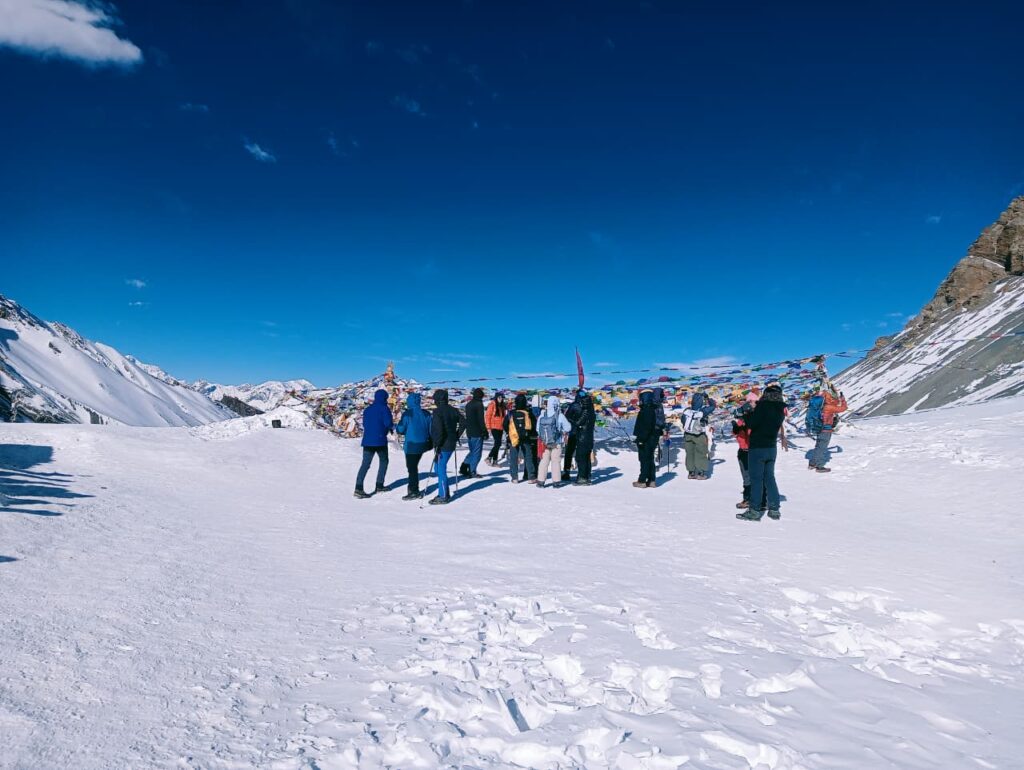
The Annapurna Base Camp (ABC) Trek is one of the most popular trekking routes in Nepal, attracting thousands of adventurers every year. With its stunning mountain views, rich cultural experience, and well-established trail system, it is often considered a dream Himalayan journey.
However, before planning this adventure, most trekkers naturally ask one important question:
Is the Annapurna Base Camp Trek safe?
The simple answer is yes — the trek is generally safe for beginners as well as experienced trekkers. But like any high-altitude journey in the Himalayas, it comes with certain natural challenges, physical demands, and environmental risks that must be understood and respected.
This guide explains everything you need to know about ABC trek safety in a clear and practical way so you can plan your journey with confidence.
Understanding Safety on the Annapurna Base Camp Trek
The ABC trek is not a technical climb, but it does take you into high-altitude terrain, reaching up to 4,130 meters at Annapurna Base Camp. At this elevation, the environment changes significantly — oxygen levels drop, temperatures decrease, and weather becomes unpredictable.
Despite these conditions, the trail is well-managed and frequently used, which makes it safer compared to many remote Himalayan routes. Teahouses are available throughout the journey, and support systems like guides, porters, and rescue services are accessible.
Still, safety depends largely on preparation, awareness, and responsible trekking habits.
Natural Conditions That Affect Safety
One of the key aspects of the ABC trek is its natural environment, which is both beautiful and challenging.
Altitude Considerations
As you ascend above 2,500 meters, your body begins adjusting to lower oxygen levels. Some trekkers may experience mild symptoms of altitude sickness such as headache, tiredness, or slight nausea.
Although serious cases are rare on this route, it is important to ascend slowly, stay hydrated, and listen to your body. Most trekkers successfully reach base camp without major issues when they follow a steady pace.
Weather and Seasonal Changes
Weather plays a major role in trekking safety in the Annapurna region.
Spring (March to May) is one of the safest and most beautiful times for the trek, offering clear skies and blooming rhododendron forests. Autumn is also equally stable and favorable.
On the other hand, monsoon season brings heavy rainfall, slippery trails, and possible landslides, while winter can bring extreme cold and snow-covered paths. Choosing the right season is therefore essential for safety.
Trail Conditions
The trail to Annapurna Base Camp is a mix of stone steps, forest paths, suspension bridges, and mountain terrain.
While it is well-marked and frequently used, some sections can become slippery during rain or snow. Long staircases and steep climbs can also be physically demanding, especially for those who are not used to hiking.
Proper trekking shoes and careful walking significantly reduce the risk of injury.
Physical Demands of the Trek
The ABC trek is classified as a moderate-level trek, which means it does not require mountaineering skills but does require decent fitness.
Trekkers usually walk for 5 to 7 hours daily across varied terrain. The continuous uphill and downhill sections can be tiring, especially for beginners.
However, with basic preparation such as walking practice, cardio exercises, and leg strengthening, most people can complete the trek comfortably.
The key is not speed, but consistency — walking slowly and steadily helps maintain energy and reduces risks.
Medical Safety and Emergency Situations
One important aspect of trekking in the Himalayas is limited access to medical facilities in remote areas.
As you go higher into the Annapurna region, hospitals and clinics become less accessible. In case of serious illness or injury, evacuation may require helicopter rescue.
Altitude sickness remains the most common health concern, but it can be easily managed with proper awareness and preventive measures. Staying hydrated, avoiding overexertion, and taking rest when needed are simple but effective precautions.
For added safety, travel insurance covering high-altitude trekking and emergency evacuation is strongly recommended.
How to Make Your Trek Safer
Safety on the ABC trek is not just about avoiding risks — it is about making smart choices throughout the journey.
Trek with an Experienced Guide
Hiring a licensed guide is one of the best safety decisions you can make. A guide helps you navigate trails, monitor weather conditions, manage pace, and respond to emergencies if needed. Their experience in the region adds a strong layer of security.
Pack Proper Trekking Gear
Good equipment plays a major role in safety. Essential items include comfortable trekking boots, layered clothing, rain protection, a warm jacket, trekking poles, and a basic first aid kit. Proper gear helps you adapt to changing conditions and prevents injuries.
Maintain a Slow and Steady Pace
One of the golden rules of Himalayan trekking is simple:
Go slow and stay consistent.
Rushing increases fatigue and altitude-related risks. A steady pace helps your body adjust naturally to changing elevations.
Choose Safe Accommodation
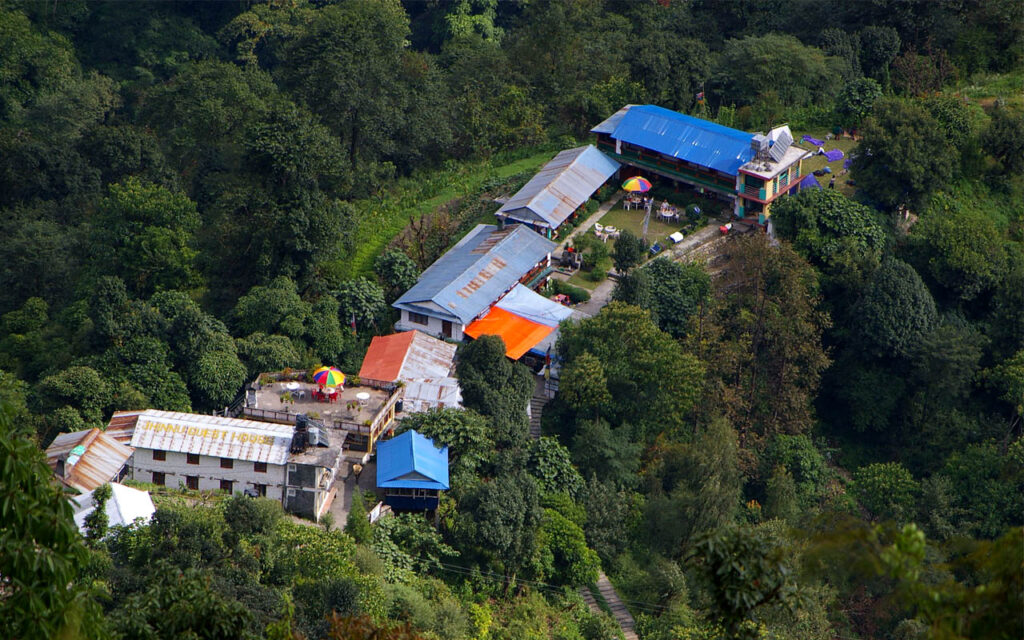
Teahouses along the route are generally safe and welcoming. Choosing clean and well-managed lodges ensures better rest, hygiene, and food quality — all important for maintaining energy during the trek.
Is the ABC Trek Safe for Everyone?
The Annapurna Base Camp trek is suitable for a wide range of trekkers.
Beginners can complete it successfully with proper preparation and guidance. Solo trekkers are generally safe, although joining a group or hiring a guide is recommended for extra security. Elderly trekkers can also enjoy the journey if they maintain good physical health.
Families with older children often find this trek a rewarding adventure, provided they maintain a comfortable pace.
Final Thoughts on ABC Trek Safety
The Annapurna Base Camp Trek is one of the safest and most rewarding trekking experiences in Nepal when approached responsibly. It is not a dangerous expedition, but a well-established Himalayan trail that requires preparation, awareness, and respect for nature.
Most risks associated with the trek — such as altitude, weather, and fatigue — can be easily managed with proper planning and guidance.
With the right mindset, equipment, and support, the ABC trek becomes not just safe, but truly unforgettable.
Conclusion
So, how safe is the Annapurna Base Camp Trek in 2026?
It is safe, beginner-friendly, and highly rewarding when done with proper preparation and responsible trekking practices.
This journey offers breathtaking mountain views, cultural richness, and a deep connection with the Himalayas — making it one of Nepal’s most cherished trekking adventures.