



Need help?
Talk to trip expertOverview
The Manaslu Circuit Trek is one of Nepal’s most off-the-beaten-path treks, officially opened in 1992. Unlike the crowded Annapurna or Everest routes, this trek takes you through remote villages, lush forests, alpine landscapes, and high Himalayan passes, offering a mix of adventure, culture, and nature.
Trek starts: Soti Khola (730 m)
Trek ends: Dharapani/Besisahar
Highest point: Larke La Pass (5,160 m)
Duration: 17 days
Type: Moderate to challenging
Permits: Restricted Area Permit (RAP), Manaslu Conservation Area Permit (MCAP), Annapurna Conservation Area Project(ACAP)
17-Day Manaslu Circuit Trek Itinerary
Day 01: Arrival in Kathmandu (1,400 m)
Arrival in Nepal. Transfer to the hotel and evening briefing.
Day 02: Kathmandu Sightseeing & Trek Prep
Visit Pashupatinath, Boudhanath, and Swayambhunath. Prepare gear and finalize permits.
Day 03: Drive Kathmandu → Soti Khola (730 m)
Scenic drive along the Trishuli and Budhi Gandaki Rivers. Overnight at the lodge.
Day 04: Trek Soti Khola → Machha Khola (870 m)
Follow riverside trails through dense forests.
Day 05: Trek Machha Khola → Jagat (1,340 m)
Enter Manaslu Conservation Area; pass waterfalls and mani walls.
Day 06: Trek Jagat → Deng (1,860 m)
Gradual ascent with subtropical forest views and village glimpses.
Day 07: Trek Deng → Namrung (2,630 m)
Enjoy alpine meadows and views of Shringi Himal and Ganesh Himal.
Day 08: Trek Namrung → Lho (3,180 m)
Visit Lho Monastery and spot the first views of Mt. Manaslu.
Day 09: Trek Lho → Samagaon (3,530 m)
Arrive at Samagaon, beneath Manaslu’s north face.
Day 10: Rest & Acclimatization in Samagaon
Optional hikes to Manaslu Base Camp or Birendra Lake. Explore Sama Gompa.
Day 11: Trek Samagaon → Samdo (3,860 m)
Pass yak pastures and Tibetan-influenced villages.
Day 12: Trek Samdo → Dharamsala (4,460 m)
Prepare for Larke La Pass.
Day 13: Larke La Pass (5,160 m) → Bimthang (3,720 m)
Cross the high pass early morning, enjoy panoramic views, then descend.
Day 14: Trek Bimthang → Dharapani (1,960 m)
Descend through pine and rhododendron forests.
Day 15: Drive Dharapani → Besisahar (760 m)
Drive through mountain villages to lower valleys.
Day 16: Drive Besisahar → Kathmandu
Return to Kathmandu. Farewell dinner in the evening.
Day 17: Final Departure
Transfer to the airport for onward journey.
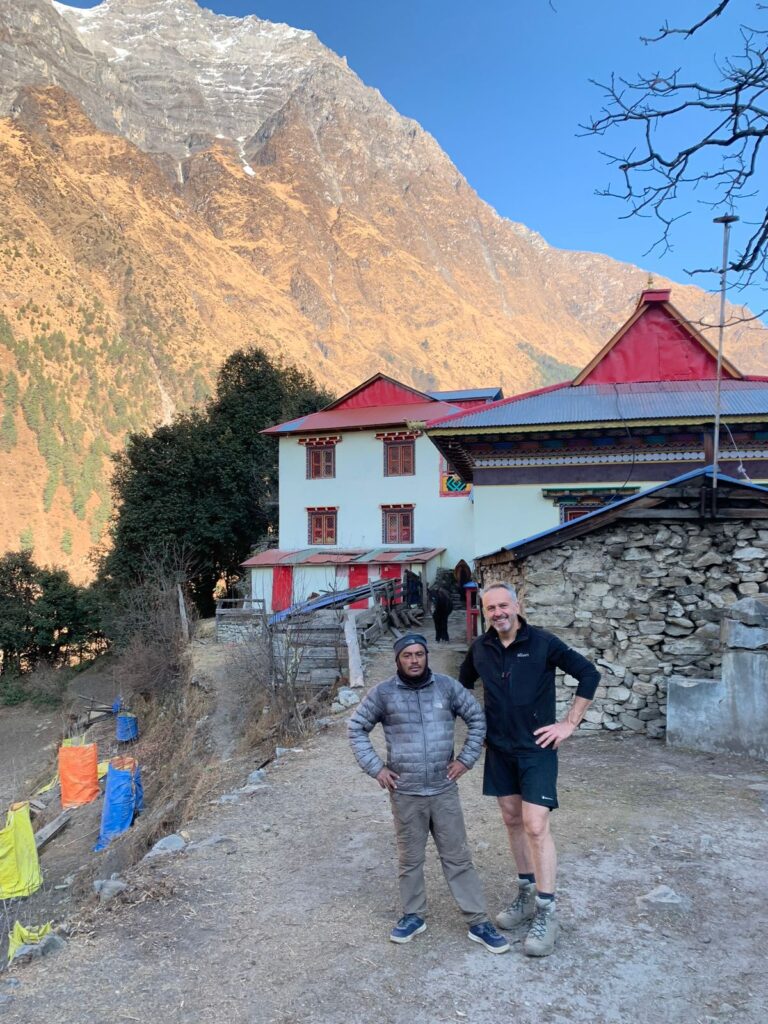
7 Reasons to Trek Manaslu Circuit
Majestic Mountain Views – See Manaslu (8,163 m), Kang Guru, Annapurna II, Himlung Himal, Cheo Himal, Nemjung, and Gyaji Kang.
Unparalleled Landscapes – From subtropical forests to alpine meadows to rocky glaciers.
Remote & Isolated Villages – Experience authentic local culture and Tibetan-influenced Buddhism.
Fewer Travelers – Less crowded trails mean more peace and local interactions.
Peaceful Monasteries & Prayer Wheels – High-altitude spiritual sites throughout the trek.
Tsum Valley – Sacred valley with Buddhist caves, mani stones, and the Tsumba community.
Larke La Pass – Challenging but rewarding, with stunning Himalayan Range.
Common Questions About Manaslu Circuit Trek
Q1: Can solo hikers do the Manaslu Circuit without a guide?
No, solo trekking is not allowed because it is a restricted area. You must hire a registered guide or join a small group.
Q2: What permits are required for the Manaslu Circuit Trek in 2025?
- You need a Restricted Area Permit (RAP) and a Manaslu Conservation Area Permit (MCAP). Annapurna Conservation Area Project (ACAP) permit and a V.D.C permit are also required for trekkers.
Q3: What’s the minimum group size?
Government regulations require at least two people per group for solo travelers.
Q4: Best time for rhododendron blooms?
Spring (mid-February –May) is ideal for rhododendrons and wildflowers.
Q5: How remote is the Wi-Fi/phone signal?
During the Manaslu Trek in Nepal, the government provides two main SIM cards: NTC and Ncell. For this trek, an Ncell SIM card with data packages is recommended. While most lodges along the trail do offer Wi-Fi, the connection is generally very poor and unreliable. Some teahouses may have Wi-Fi available for a small cost(depending on data packages and the company will charge depending on data volume). You can use this during your holiday in Nepal. That’s why Adventure Walk highly recommends carrying an Ncell SIM card with data packages to stay connected throughout the trek.
Q6: Manaslu Circuit vs Annapurna Circuit: which is less crowded?
Manaslu is far less crowded, offering solitude and authentic village experiences.
Q7: Crossing Larke La Pass: what to expect?
Altitude is 5,160 m. Early morning crossing recommended; weather can be windy. The views are panoramic and breathtaking.
Q8: Accommodation quality & cost?
Teahouses are basic but comfortable. private accommodations during the trek, but bathrooms need to be shared with other people. Higher altitude lodges may be more rustic.
Q9: Wildlife and flora?
Home to red panda, Himalayan tahr, langur monkeys, and many bird species. Forests include rhododendron, oak, and pine.
Q10: Recommended gear for high-altitude sections?
Warm clothing, down jackets, trekking boots, a sleeping bag (for cold nights), trekking poles, and layered clothing.
Q11: How long does acclimatization take?
1–2 days at Samagaon and Dharmasala are recommended before attempting the Larke La Pass.
Q12: Trekking in monsoon or winter?
Monsoon (June–August): high rainfall and landslide risk
Winter (Dec–Feb): very cold, possible snow on high passes( Highly recommended )
Q13: Cultural experiences?
Lower Village Manaslu offers Hindu culture, traditional Tibetan architecture, monasteries, mani walls, and Buddhist festivals.
Q14: Eco-friendly trekking practices?
Always avoid plastic, carry reusable water bottles, respect local culture, and dispose of waste properly.
Q15: Budget breakdown 2025
Permits: depend on the Nepal government law( It is under by Tourism Ministry )
Guide/porter: It goes to full board packages
Food & lodging: It goes to full board packages
Transportation: It goes to full board packages
Things That Measure Manaslu Trek Difficulty
The difficulty of the Manaslu Circuit Trek can vary from person to person. For some, walking for days in the high Himalayas feels challenging, while for others, the main struggle comes from the altitude, remoteness, or harsh weather. Here are the key factors that decide how hard the Manaslu trek feels for you.
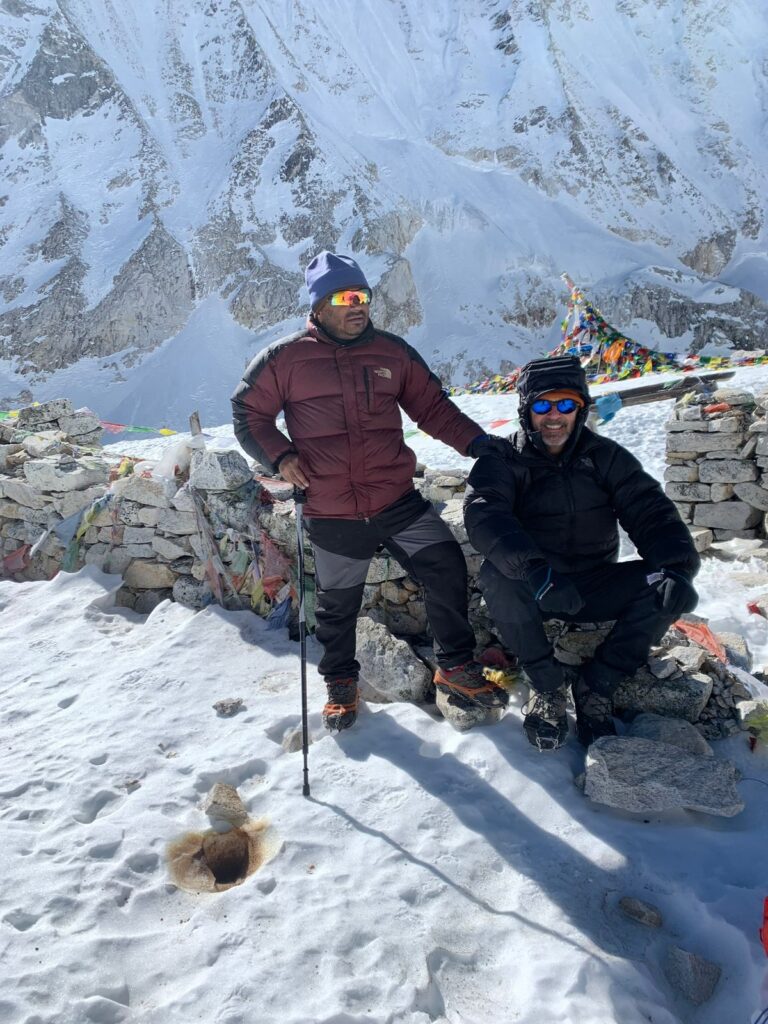
1. Distance and Trail of the Manaslu Trek
Your Manaslu and Tsum Valley Trek starts with an 8-hour drive from Kathmandu to Machha Khola via Arughat Bazaar — a long but exciting journey to the trailhead. From there, the trek covers around 170 km over the next 11 days. On average, you’ll be walking 15–18 km per day on rough, rocky mountain trails.
For beginners, the first few days can feel tough, especially while crossing the steep Budi Gandaki Gorge. However, trekkers can choose between two approaches —
one that’s shorter but steeper and more strenuous, or
another that’s a bit longer but smoother and more comfortable.
When trekking in such a remote region, it’s always better to pick the less steep and gradual path, even if it takes longer. Choosing the longer route not only makes your trek safer and more enjoyable but also turns it into a memorable, successful, and lesson-learning experience rather than a struggle.
2. Altitude Sickness During the Manaslu Trek
Altitude is one of the biggest challenges on the Manaslu Circuit. The journey starts from 700 meters at Soti Khola and gradually rises above 5,000 meters at Larkya La Pass. As the air pressure drops, oxygen levels can decrease by almost half. Most trekkers feel the symptoms of altitude sickness between 2,500 and 3,500 meters — like dizziness, headache, shortness of breath, loss of appetite, or fatigue.
That’s why acclimatization is so important. The best way to avoid altitude sickness is by ascending slowly and taking rest days at higher points. Choosing a longer and more gradual itinerary helps your body adapt naturally and makes your trekking experience much safer. Remember — patience and proper rest are key to preventing altitude issues.
3. Trek Difficulty Due to Remoteness
Manaslu lies in one of the most remote regions of Nepal, so it’s essential to know what to expect before heading out. For two weeks, you’ll be staying in small teahouses with basic wooden rooms and shared bathrooms. Wi-Fi and charging facilities are available but limited — sometimes you’ll have to wait your turn or pay extra for these services.
The remoteness of the region teaches you to be self-reliant — you must carry your own essentials like warm clothes, a sleeping bag, snacks, and personal care items. There aren’t many shops along the route, so good preparation before the trek makes all the difference.
Facing the remoteness with the right mindset, fitness, and preparation will make your Manaslu adventure more rewarding. It’s not just about reaching the destination, but about embracing the challenge and growing through it.
Preparation Advice for the Trek from a Nepalese Guide
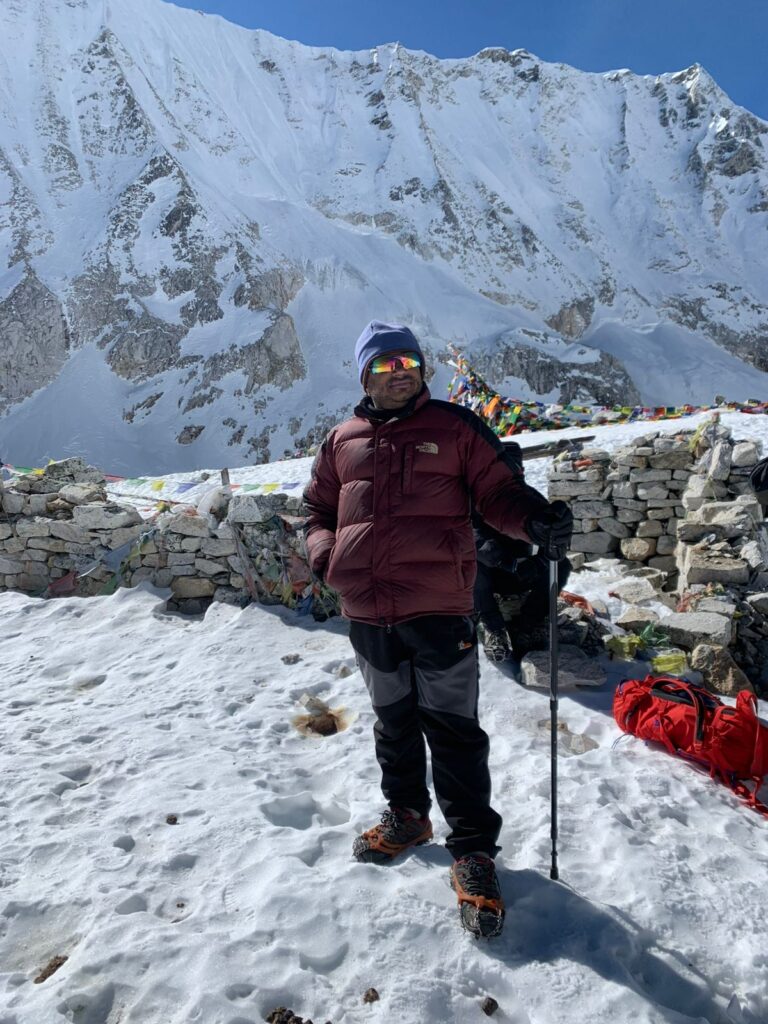
The Manaslu Circuit Trek is one of the most beautiful yet challenging treks in Nepal. To complete it successfully, you need not just good physical fitness but also a strong mentality. As a Nepalese guide, my main advice is always to prepare your body and mind before and during the trek.
Your guide will help you in every step — from managing your pace and rest days to making sure you eat well and stay hydrated. The goal is not to rush, but to enjoy the journey while staying safe and healthy.
Here are some essential pieces of advice every trekker should follow:
Take small, steady steps. Walking slowly and maintaining a regular pace helps save energy and keeps your body balanced on long, uneven trails. Even on shorter Manaslu trails, the trek is stunning and rewarding. The key is proper acclimatization and taking enough rest along the way to stay safe and enjoy the journey.
Focus on acclimatization. The Manaslu region takes you to high altitude, so taking rest days and allowing your body to adjust to the elevation is very important. Never ignore your body’s signals.
Eat and drink properly. Nutrition plays a key role during the trek. Choose healthy, warm meals, and drink plenty of water (3–4 litres a day). Research the food options before your trek — good food means good energy.
Keep your mentality strong. There will be tough climbs, changing weather, and remote trails. Staying positive and calm is the best way to overcome challenges.
Always listen to your guide. Your Nepalese guide knows the terrain, weather, and local culture better than anyone. They are your best source of learning and safety.
Pack wisely. Take only what’s needed — warm clothes, trekking gear, and personal essentials. Overpacking will make your journey harder.
If You Fall Sick or Injured
If you feel sick or injured during the Manaslu Circuit Trek, don’t panic. Your guide carries basic first aid and will help you manage minor issues right away. For serious conditions, you will be taken to the nearest health post or assisted by locals. If recovery takes time, rest is more important than continuing the trek — your health comes first.
Annapurna Circuit vs. Manaslu Circuit Trek: A Complete Guide
Overview
Both the Annapurna Circuit and Manaslu Circuit treks offer exceptional Himalayan experiences filled with natural grandeur and cultural richness. While the Annapurna Circuit is one of Nepal’s most popular and well-developed trekking routes, the Manaslu Circuit remains a remote and less-traveled adventure, offering a raw and authentic mountain journey.
Choosing between the two depends on your trekking experience, preferred comfort level, and available time — both trails promise unforgettable encounters with Nepal’s landscapes and people.
Manaslu Circuit Trek Overview
The Manaslu Circuit Trek encircles Mt. Manaslu (8,163 m), the world’s eighth-highest peak. Known for its pristine landscapes and fewer crowds, it’s considered one of Nepal’s most rewarding yet challenging routes.
Duration: 14–18 days
Distance: Approx. 177 km
Maximum Elevation: Larkya La Pass (5,106 m)
Start Point: Soti Khola
End Point: Besi Sahar
The trek begins with a drive from Kathmandu to Machha Khola and passes through subtropical forests, Gurung settlements, and Tibetan-influenced villages before ascending to the Larkya La Pass — the trek’s highest point. Along the way, trekkers experience dramatic landscapes, waterfalls, and spectacular views of Manaslu, Himlung, Cheo Himal, and Annapurna II.
As part of the Manaslu Conservation Area, this route emphasizes ecological preservation and offers an immersive experience in Nepal’s remote highlands.
Annapurna Circuit Trek Overview
The Annapurna Circuit Trek is among the world’s most famous trekking routes, encircling the Annapurna Massif and showcasing an impressive range of climates and terrains — from lush subtropical forests to high-altitude deserts.
Duration: 12–21 days
Distance: 160–230 km
Maximum Elevation: Thorong La Pass (5,416 m)
Start Point: Besi Sahar
End Point: Beni
Trekkers encounter breathtaking mountain views of Annapurna, Dhaulagiri, and Manaslu, as well as culturally rich villages of Gurung, Thakali, and Manange communities. The Annapurna Conservation Area protects this region, which is renowned for its diverse ecosystems and accessible trekking infrastructure.
Scenic Highlights
Annapurna Circuit
Thorong La Pass (5,416 m): The highest point of the trek, offering panoramic views of the Annapurna and Dhaulagiri ranges.
Tilicho Lake (4,919 m): One of the world’s highest lakes, surrounded by towering peaks.
Manang Valley: A high-altitude settlement with striking views, glaciers, and alpine meadows.
Kali Gandaki Gorge: The world’s deepest gorge, flanked by Annapurna and Dhaulagiri.
Poon Hill: A popular sunrise viewpoint over the Himalayas.
Muktinath Temple: A sacred pilgrimage site revered by both Hindus and Buddhists.
Manaslu Circuit
Larkya La Pass (5,106 m): The trek’s highlight, with sweeping views of Manaslu, Cheo Himal, Himlung, and Annapurna II.
Manaslu Base Camp: Offers close-up views of glaciers and the towering Manaslu peak.
Samagaon and Samdo: Traditional Tibetan-influenced villages surrounded by stunning mountain backdrops.
Pungyen Glacier and Lake: A serene glacial setting with clear blue waters reflecting the peaks.
Budi Gandaki Gorge: A dramatic valley of suspension bridges, waterfalls, and steep cliffs.
Cultural Experiences
Annapurna Circuit
The Annapurna region is a mosaic of ethnic diversity, where trekkers encounter Gurung, Thakali, Magar, and Manange communities.
Key cultural experiences include:
Visiting Manang, Muktinath, and Lower Mustang, centers of ancient trade and spiritual traditions.
Exploring Braga Monastery, showcasing Tibetan Buddhist art and rituals.
Experiencing the architecture of stone houses, terraced fields, and woodcarved structures.
Observing Hindu and Buddhist festivals, such as Dashain and Tihar, celebrated with music and dance.
Manaslu Circuit
The Manaslu region offers deep insights into Tibetan Buddhist culture and the traditional lifestyles of Nepal’s remote mountain people.
Cultural highlights include:
Gurung villages like Philim and the Tibetan-influenced communities of Samagaon and Samdo.
Monasteries such as Kargyu Chholing in Lho and Pungyen Gompa, where rituals and ceremonies honor mountain deities.
Daily life centered on yak herding, traditional crafts, and farming.
Colorful displays of prayer flags, mani walls, and chortens that symbolize Buddhist spirituality.
Comparison Summary
| Category | Annapurna Circuit | Manaslu Circuit |
|---|---|---|
| Start Point | Besi Sahar | Arughat |
| End Point | Beni | Besi Sahar |
| Max Elevation | 5,416 m (Thorong La Pass) | 5,106 m (Larkya La Pass) |
| Independent Trekking | Allowed | Not Allowed (Requires Guide & Permits) |
| Duration | 14–22 days | 14–18 days |
| Ethnic Groups | Gurung, Thakali, Manange | Lama, Thakuri, Bhote |
| Accommodation | Well-established teahouses | Well-established teahouses |
| Food Variety | Extensive | Moderate |
| Communication | NTC, Ncell, Landline | CDMA, Satellite Phone |
| Side Trips | Tilicho Lake, Ice Lake, Nar Phu Valley | Manaslu Base Camp, Tsum Valley |
| Permits | ACAP, TIMS | ACAP, MCAP, Manaslu RAP |
| Access to Tibet Border | No | Yes |
| Best Season | Mar–May, Sep–Nov | Mar–May, Sep–Nov |
| Flight Access | Yes (Jomsom, Humde) | No |
| Medical Facilities | Available (Manang, Jomsom) | Limited |
| Major Rivers | Marsyangdi, Kali Gandaki | Budi Gandaki |
| Trail Type | Well-marked | Well-marked but remote |
Choosing Between Annapurna and Manaslu
Both treks offer a remarkable blend of adventure and cultural immersion.
Choose the Annapurna Circuit if you prefer well-developed trails, varied landscapes, and comfortable accommodation. It’s suitable for independent trekkers and first-timers.
Choose the Manaslu Circuit if you seek a remote, less crowded, and adventurous experience. It’s ideal for experienced trekkers looking for authentic Himalayan solitude and deeper cultural connection.
Whichever route you choose, both will reward you with breathtaking mountain views, warm hospitality, and the joy of exploring Nepal’s diverse natural and cultural heritage.
Best Time to Do the Manaslu Circuit Trek
The Manaslu Circuit Trek can be done year-round, but the best seasons for ideal weather, stable conditions, and clear mountain views are autumn (September to November) and spring (March to May).
Below is a seasonal breakdown at a glance:
| Season | Months | Weather | Crowd Level | Visibility | Trail Condition |
|---|---|---|---|---|---|
| Spring | Mar – May | Mild, blooming | Moderate | Excellent | Dry and scenic |
| Summer/Monsoon | Jun – Aug | Wet, humid | Very Low | Poor | Slippery; landslides possible |
| Autumn | Sep – Nov | Clear, stable | High | Excellent | Best condition |
| Winter | Dec – Feb | Cold, snowy | Low | Clear skies | Snow-covered; fewer teahouses |
Verdict:
The best time to trek the Manaslu Circuit is during autumn (September–November) for stable weather and crystal-clear mountain views, or spring (March–May) for blooming rhododendrons and vibrant trails.
Manaslu Circuit Trek by Season
Before selecting your travel dates, it’s important to understand how each season transforms the Manaslu region. From lush summer greenery to snow-covered winter passes, each period brings its own advantages and challenges.
Spring (March to May)
Spring marks the beginning of the trekking season as snow melts and the trails reopen after winter. Villages gradually come back to life, and teahouses start operating again by mid-March.
Temperature: 10°C to 18°C at lower altitudes; as low as -6°C at higher camps like Samdo.
Scenery: Hillsides are covered in blooming rhododendrons, especially around Deng and Lho.
Visibility: Excellent — clear skies offer superb views of Mt. Manaslu and the surrounding peaks.
Crowds: Moderate; ideal balance between solitude and accessibility.
Why Go in Spring:
Longer daylight hours, stable weather, and colorful landscapes make this one of the most pleasant times to trek.
Summer / Monsoon (June to August)
The monsoon brings heavy rainfall, lush vegetation, and fewer trekkers. While the trails are quiet, conditions can be slippery and unpredictable.
Rainfall: Over 700 mm in July, especially below 2,000 m.
Trail Conditions: Muddy and slippery; leeches are common in forested areas near Philim and Deng.
Visibility: Poor — mountain views are often obscured by clouds.
Crowds: Very low; teahouse operations are limited.
Why Avoid Summer:
Frequent rain, risk of landslides, and limited visibility make this the least favorable season for trekking.
Autumn (September to November)
Autumn is the peak trekking season for the Manaslu Circuit. After the monsoon, the skies clear, the trails dry, and the weather stabilizes — offering perfect trekking conditions.
Temperature: Warm days, cool nights; increasingly cold above 3,000 m.
Visibility: Excellent — crisp mountain panoramas, especially in October.
Trail Conditions: Dry and firm, ideal for long hiking days.
Crowds: High; teahouses fill quickly in October and early November.
Why Go in Autumn:
Stable weather, vibrant landscapes, and the best visibility of the year make this the ideal time to trek the Manaslu Circuit.
Winter (December to February)
Winter brings solitude to the Manaslu region. While the skies are often clear, temperatures drop sharply, and heavy snow can block higher passes like Larkya La (5,106 m).
Temperature: Can fall below -20°C at night in Dharamsala or Larkya Phedi.
Trail Conditions: Snow-covered above 3,000 m; teahouses may close temporarily.
Visibility: Clear skies but limited trail access.
Crowds: Very few trekkers — ideal for those seeking complete isolation.
Why Trek in Winter:
Only suitable for experienced trekkers prepared for extreme cold and equipped with winter gear such as crampons, thermal layers, and -20°C sleeping bags.
Summary
Best Season Overall: Autumn (Sep–Nov) — stable weather, clear skies, and excellent trail conditions.
Second Best: Spring (Mar–May) — blooming forests and pleasant temperatures.
Avoid: Summer (Jun–Aug) due to monsoon rains and leeches.
Challenging Season: Winter (Dec–Feb) — cold, snowy, but peaceful.
Whether you prefer colorful spring landscapes or the crisp clarity of autumn skies, the Manaslu Circuit promises an unforgettable Himalayan adventure.
Final Words from a Nepalese Guide
Manaslu is a tough yet rewarding trek. If you stay mentally strong, take time for proper acclimatization, and maintain a healthy food routine, the journey becomes not just possible — but memorable. Always learn from your guide, respect the mountains, and enjoy every step of this incredible experience.