


Need help?
Talk to trip expertManaslu Circuit Trek Difficulty: The Complete, Honest & In-Depth Guide
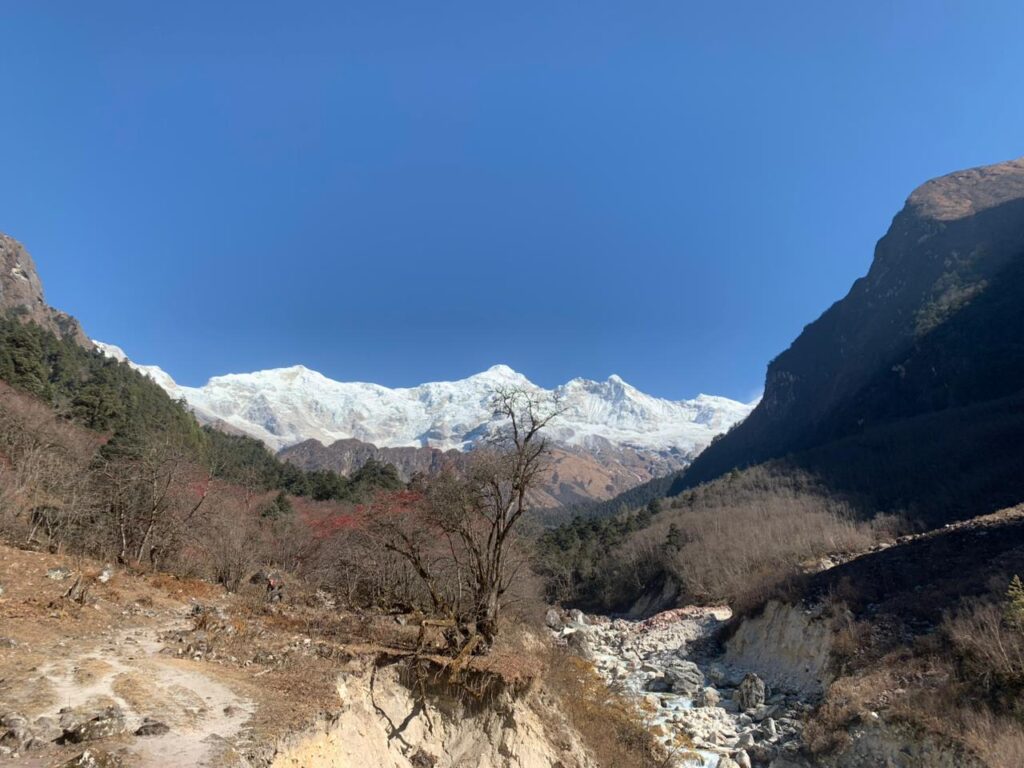
The Manaslu Circuit Trek is often described as one of Nepal’s most demanding trekking adventures—but also one of its most rewarding. Circling the mighty Mount Manaslu (8,163 m), the eighth-highest mountain in the world, this trek takes you deep into remote Himalayan landscapes where modern comforts fade and raw mountain life takes over.
Naturally, one question comes up again and again:
How difficult is the Manaslu Circuit Trek—really?
This guide answers that question honestly and thoroughly. From trail conditions and altitude sickness to accommodation, food, cold temperatures, culture shock, transport, and mental challenges—nothing is sugar-coated here. If you’re considering this trek, this article will help you decide with confidence, not guesswork.
1. Understanding the Overall Difficulty of the Manaslu Circuit Trek
The Manaslu Circuit Trek is classified as moderate to strenuous. This classification doesn’t mean it’s impossible—but it does mean it demands respect, preparation, and resilience.
What makes it challenging?
High altitude (over 5,000 meters)
Long trekking days (6–9 hours)
Rugged and remote terrain
Basic accommodation and facilities
Cold temperatures
Limited medical access
Mental endurance requirements
Unlike Everest Base Camp or Annapurna Circuit, Manaslu is less commercialized, which increases both its difficulty and its authenticity.

2. Why the Manaslu Circuit Trek Is Considered Strenuous
Over a typical 13–16 day itinerary, trekkers ascend from Machha Khola (800 m) to the dramatic Larkya La Pass (5,160 m).
That’s a vertical gain of over 4,300 meters in less than two weeks.
During the trek, you will:
Walk 6–9 hours per day
Cross suspension bridges high above roaring rivers
Climb steep stone staircases
Navigate landslide-prone sections
Walk on snow near the pass (season-dependent)
At altitude, even simple movements feel harder. Tasks that seem easy at sea level—walking uphill, lifting your bag, or sleeping—require far more energy.
3. Personal Fitness: How Fit Do You Need to Be?
Let’s be clear:
The Manaslu Circuit Trek is not suitable for completely unprepared trekkers.
However, you do not need to be an athlete.
You should be able to:
Walk 6–8 hours daily for multiple days
Handle steep ascents and descents
Maintain steady breathing during long climbs
Carry a small daypack comfortably
Gym workouts help, but they don’t replace real trail experience. Hiking on uneven ground, stair climbing, hill walking, and cardio training (cycling, swimming, jogging) are far more effective.
Ideal preparation time: 6–8 weeks before the trek.
4. Age Factor: Is the Manaslu Circuit Trek Only for the Young?
Age alone does not determine success on the Manaslu Circuit Trek.
Trekkers in their 40s, 50s, 60s, and even 70s have completed this trek successfully. What matters more than age is:
Overall health
Cardiovascular fitness
Mental strength
Willingness to walk slowly and consistently
A well-paced itinerary and proper acclimatisation make this trek achievable for a wide age range.
5. Altitude: The Greatest Challenge of the Manaslu Circuit Trek
Altitude is the single most demanding aspect of this trek.
Elevation Profile:
Start: Machha Khola – 800 m
Multiple nights above 3,000 m
Highest point: Larkya La Pass – 5,160 m
As altitude increases, oxygen levels drop, forcing your body to work harder. Even fit trekkers can feel exhausted.
6. What Is Altitude Sickness?
Altitude sickness occurs when your body cannot adapt quickly enough to reduced oxygen levels.
Common Symptoms:
Headache
Loss of appetite
Nausea
Fatigue
Dizziness
Difficulty sleeping
Severe cases may lead to HAPE or HACE, which are life-threatening.
Altitude sickness can affect anyone, regardless of age, fitness, or trekking experience.
7. How to Reduce the Risk of Altitude Sickness
The Manaslu Circuit itinerary is designed with gradual altitude gain, typically around 300 meters per day, which significantly reduces risk.
Key prevention methods:
Acclimatisation days (usually in Samagaun and Samdo)
Slow and steady pace
Drinking plenty of water
Avoiding alcohol and smoking
Eating properly
Listening to your body
Reporting symptoms early
Some trekkers use Diamox, but this should only be taken after consulting a doctor.
8. Accommodation Difficulty: Tea Houses on the Manaslu Circuit
Accommodation on the Manaslu Circuit is basic but functional.
Tea Houses are:
Family-run lodges
Twin rooms or dormitory-style
Simple wooden beds with thin mattresses
Shared toilets (often squat style)
Limited or no hot showers
No heating in bedrooms
Dining rooms usually have a stove and provide warmth in the evenings.
If you’re used to hotels or private bathrooms, this simplicity can be mentally challenging—but it’s part of the authentic Himalayan experience.

9. Cleanliness & Hygiene on the Trail
Cleanliness standards are basic, especially at higher altitudes.
Realities you should expect:
Limited shower opportunities
Cold water washing
Shared facilities
Occasional shortages of water
Tips:
Bring wet wipes (and pack them out)
Carry hand sanitiser
Use your own sleeping bag
Lower expectations—this is not luxury trekking
Food hygiene is generally safe, as local communities understand the importance of serving trekkers well.
10. Food Availability & Dietary Challenges
Food on the Manaslu Circuit is simple, filling, and repetitive.
Typical meals include:
Dal Bhat (rice, lentils, vegetables)
Fried rice
Noodles
Tibetan bread
Soup
Eggs and toast
Fried potatoes
In some villages, you may find:
Basic bakeries
Coffee
Soft drinks
Western food options are limited, especially higher up. If you’re a picky eater, this can be challenging—but most trekkers adapt quickly.
11. Cold Temperatures: How Cold Does It Get?
Even if days are sunny, nights are cold.
Temperature realities:
Warm days at lower altitudes
Cold evenings above 3,000 m
Freezing temperatures near Larkya La
Cold dining rooms when the stove is off
If you come from a hot climate, the cold can feel intense—but with proper layering, it’s manageable.
Essential gear:
Down jacket
Thermal layers
Warm sleeping bag
Gloves, hat, neck warmer
12. Blisters & Foot Care
Blisters are one of the most common trekking problems.
Prevention tips:
Break in your trekking boots well before arrival
Wear good-quality socks
Carry blister pads
Keep feet dry
Use trekking poles to reduce pressure
A small personal first-aid kit is highly recommended.
13. Trail Conditions: How Difficult Is the Actual Route?
The Manaslu Circuit trail is less developed than popular routes.
Expect:
Narrow mountain paths
Steep climbs
Rocky terrain
Landslide-prone areas
Snow near the pass
High suspension bridges
Suspension bridges may look intimidating, but they are safe. Landslide sections require caution—this is where guides are essential.
14. Mental Challenges of the Manaslu Circuit Trek
This trek is as much mental as physical.
Challenges include:
Long walking days
Limited comfort
Cold nights
Repetitive meals
Isolation
No phone signal
For many trekkers, overcoming these challenges becomes one of the most rewarding aspects of the journey.
15. Culture Shock: A Real but Temporary Difficulty
Nepal can feel overwhelming at first:
Noise
Traffic
Crowds
Different customs
Different pace of life
This usually fades within a few days, especially once you reach the mountains. Local guides play an important role in helping trekkers understand and appreciate Nepali culture.
16. Transportation Challenges
Reaching the Manaslu trailhead involves:
Long drives on rough mountain roads
Local buses or shared jeeps
Local transport can be uncomfortable but offers a glimpse into daily life. Private jeeps are available for those seeking comfort.
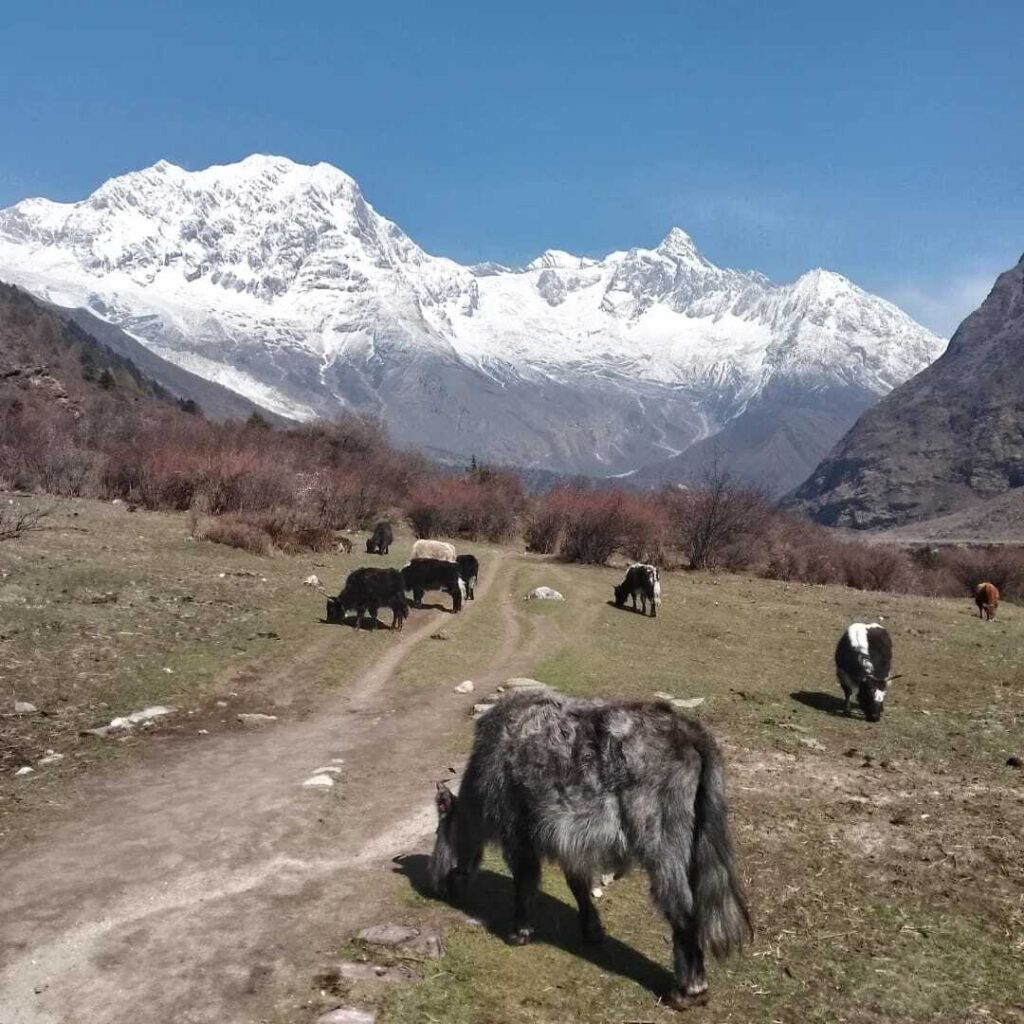
17. Seasonal Difficulty: Best Time to Trek Manaslu Circuit
Best Seasons:
Spring (March–May)
Autumn (Mid-September–Mid-November)
These seasons offer:
Stable weather
Clear mountain views
Safer trail conditions
Difficult Seasons:
Monsoon (June–August): Landslides, slippery trails
Winter (December–February): Heavy snow, pass closures, extreme cold
Choosing the right season greatly reduces difficulty.
18. Porters: Making the Trek Easier
Hiring a porter can significantly reduce physical strain.
Benefits:
Carry up to 20 kg
Reduce joint stress
Improve enjoyment
Increase safety
Sharing one porter between two trekkers is common and practical.
19. Is the Manaslu Circuit Trek Worth the Difficulty?
Without question—yes.
The Manaslu Circuit Trek offers:
Raw Himalayan beauty
Fewer crowds
Deep cultural immersion
A strong sense of achievement
It is difficult—but it is meaningful difficulty. The challenge is what makes the experience unforgettable.
Final Verdict
The Manaslu Circuit Trek is challenging, remote, cold, and demanding—but it is also one of the most authentic trekking adventures in Nepal.
With proper preparation, a realistic mindset, and the right support, this trek is achievable and life-changing.
If you’re seeking a true Himalayan journey beyond comfort zones, the Manaslu Circuit delivers difficulty with purpose—and rewards beyond measure.
Table of Contents
