


Need help?
Talk to trip expertIntroduction: Two Himalayan Giants, Two Very Different Journeys
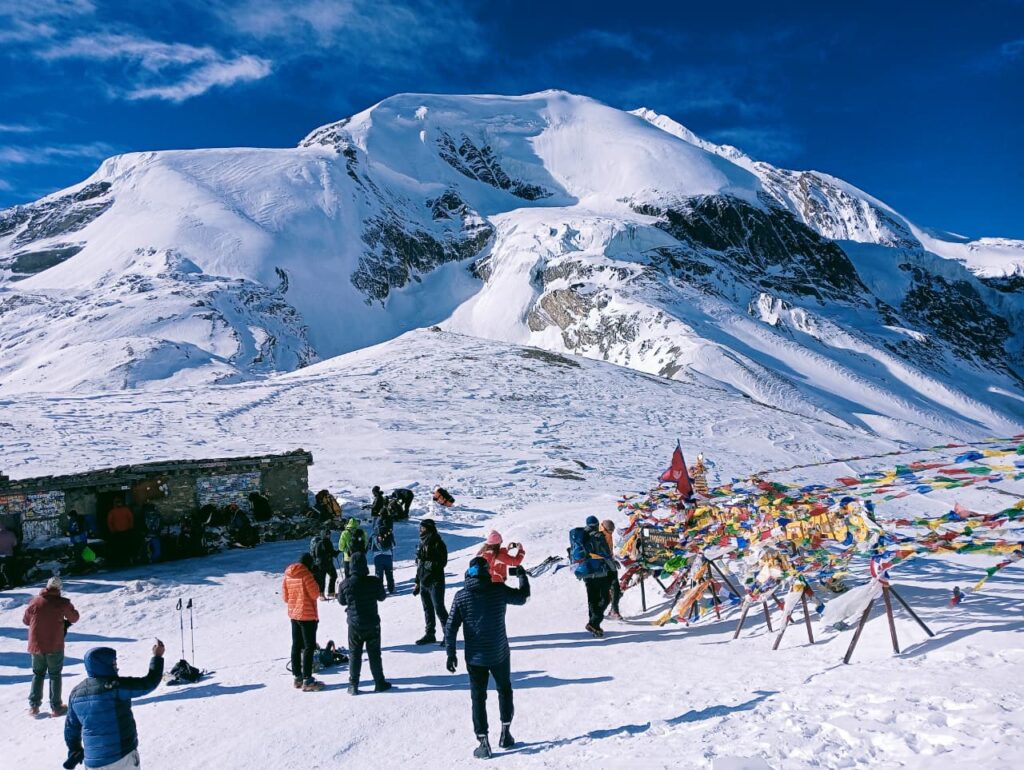
The majestic Himalayas of Nepal—often celebrated as a true Trekker’s Paradise—offer some of the world’s most breath-taking long-distance trekking routes. From dramatic high mountain passes and glacial valleys to centuries-old villages shaped by Tibetan Buddhism, trekking in Nepal is far more than a physical journey—it is an immersive experience of culture, endurance, and self-discovery.
Among Nepal’s iconic tea house treks, three names consistently dominate the conversation: Everest Base Camp Trek, Annapurna Circuit Trek, and Manaslu Circuit Trek. While Everest Base Camp continues to capture global attention, it is the debate surrounding Manaslu Circuit vs Annapurna Circuit Trek that leaves many serious trekkers genuinely uncertain when planning their Himalayan adventure.
Both the Manaslu Circuit Trek and the Annapurna Circuit Trek are classic long-distance circuit routes. Both encircle towering 8,000-meter giants. Both promise jaw-dropping Himalayan scenery. Yet, beyond these surface similarities, the two treks offer fundamentally different experiences—in terms of remoteness, comfort, culture, crowd levels, and overall trekking philosophy.
The Manaslu Circuit Trek winds its way around Mt. Manaslu (8,163 m)—the eighth-highest mountain in the world—through a restricted and largely untouched Himalayan region where raw wilderness and authentic mountain life still prevail. In contrast, the Annapurna Circuit Trek circles Annapurna I (8,091 m)—the world’s tenth-highest peak—along one of Nepal’s most developed and accessible trekking corridors, known for its diverse landscapes, cultural variety, and modern trekking facilities.
In this in-depth guide, we present a clear distinction and vivid illustration of the real differences between the Manaslu Circuit vs Annapurna Circuit Trek, using a user-centric, experience-based approach. Rather than declaring one trek “better” than the other, this comparison is designed to help you identify which trek aligns best with your personality, fitness level, budget, comfort expectations, and trekking goals—so you can confidently choose the Himalayan journey that truly fits you.
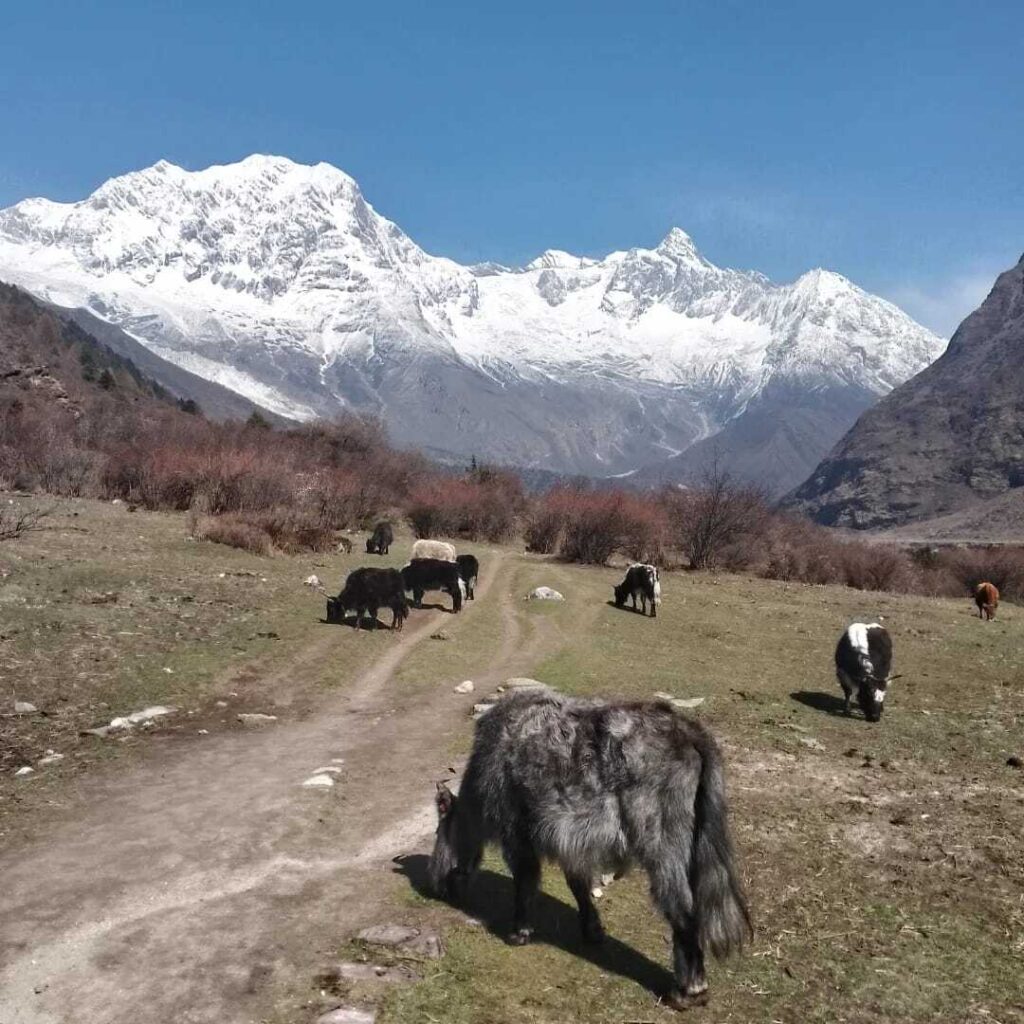
Quick Overview: Manaslu Circuit vs Annapurna Circuit Trek
| Aspect | Manaslu Circuit Trek | Annapurna Circuit Trek |
|---|---|---|
| Location | Gorkha District, Manaslu Conservation Area (Budi Gandaki Valley) | Central Nepal, Annapurna Conservation Area (Marshyangdi & Kali Gandaki Valleys) |
| Highest Point | Larkya La Pass – 5,160 m | Thorong La Pass – 5,416 m |
| Total Distance | ~177 km | ~160–210 km (route dependent) |
| Permit Requirements | MCAP, ACAP, TIMS, Restricted Area Permit | ACAP, TIMS |
| Difficulty Level | Strenuous, remote, rugged trails | Moderate to strenuous, well‑developed trails |
| Cultural Groups | Gurung communities with strong Tibetan influence | Gurung, Thakali, Manangi cultures |
| Accessibility | No road access within core trail | Road access at multiple points |
| Infrastructure | Basic teahouses, limited facilities | Wide range from basic to luxury lodges |
| Trekker Traffic | Low to moderate | High, especially in peak seasons |
| Trek Style | Raw, remote, expedition‑like | Comfortable, social, flexible |
1. Trekking Psychology: Solitude vs Social Energy
Manaslu Circuit Trek – The Inner Journey
The Manaslu Circuit is designed—almost unintentionally—for trekkers who value silence, isolation, and immersion. Days pass where you may encounter only a handful of fellow trekkers. Villages feel lived‑in rather than tourist‑oriented. The absence of road noise allows the sounds of rivers, wind, and prayer flags to dominate your senses.
This trek attracts:
- Experienced trekkers
- Nature purists
- People seeking digital detox
- Those who view trekking as a mental and spiritual reset
Annapurna Circuit Trek – The Social Trail
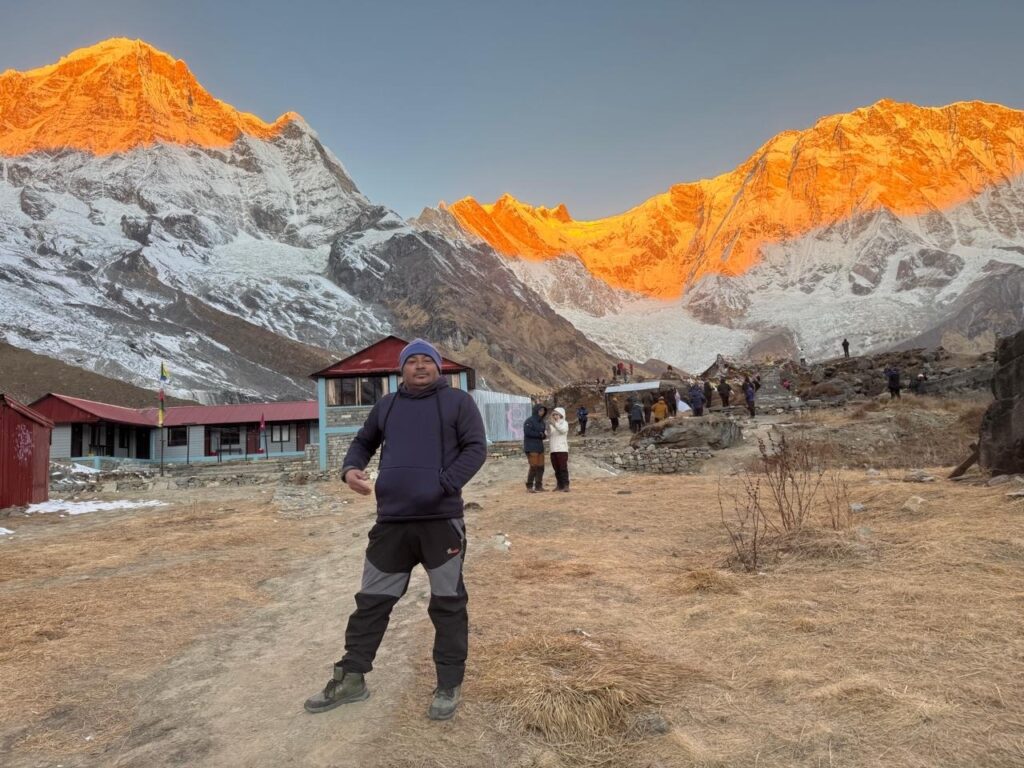
In contrast, the Annapurna Circuit is a community trek. Teahouses buzz with conversations in multiple languages. Cafés serve apple pie, espresso, and Wi‑Fi. Trail friendships form easily, and solo travelers rarely feel alone.
This trek suits:
- First‑time long‑distance trekkers
- Solo travelers
- Social explorers
- Comfort‑oriented adventurers
User Question:
“Do I want to walk inward, or outward toward people?”
2. Permits, Regulations & Trekking Freedom
Manaslu Circuit – Controlled Access, Higher Commitment
The Manaslu region is a restricted area, meaning:
- Minimum of two trekkers required
- Licensed guide is compulsory
- Restricted Area Permit adds cost and planning complexity
Required permits:
- Manaslu Conservation Area Permit (MCAP)
- Annapurna Conservation Area Permit (ACAP)
- TIMS Card
- Restricted Area Permit
While this limits spontaneity, it ensures:
- Safety
- Controlled tourism
- Preserved cultural authenticity
Annapurna Circuit – Flexible & Independent
Annapurna Circuit permits are simpler:
- ACAP
- TIMS Card
Although Nepal has officially restricted solo trekking, Annapurna remains the most navigable and independent‑friendly route due to:
- Clear trail markings
- Frequent villages
- Easy access to help
User Dilemma:
“Do I prefer structure and security, or freedom and flexibility?”
3. Cost Reality: Fixed vs Flexible Budgets
Manaslu Circuit Trek Cost Feel
- Higher base cost due to permits and guide
- Fewer accommodation choices = fixed pricing
- Less temptation to overspend
Value Perspective: You pay more, but you pay for exclusivity.
Annapurna Circuit Trek Cost Feel
- Highly flexible budget
- Options from budget lodges to luxury hotels
- Additional costs for transport shortcuts, hot showers, Wi‑Fi
Value Perspective: You control spending—but comfort can inflate costs.
4. Landscape Evolution: Gradual Wilderness vs Dramatic Variety
Manaslu Circuit
- Continuous wilderness immersion
- Minimal road intrusion
- Landscape progression feels organic
Climatic zones transition smoothly from:
Tropical → Temperate → Alpine → Arctic
Annapurna Circuit
- Extreme diversity in short spans
- Subtropical forests → High alpine → Trans‑Himalayan desert
- Road sections disrupt immersion for some trekkers
Visual Preference Question:
“Do I want uninterrupted wilderness or diverse scenery?”
5. Cultural Depth: Living Culture vs Display Culture
Manaslu Circuit – Authentic Himalayan Life
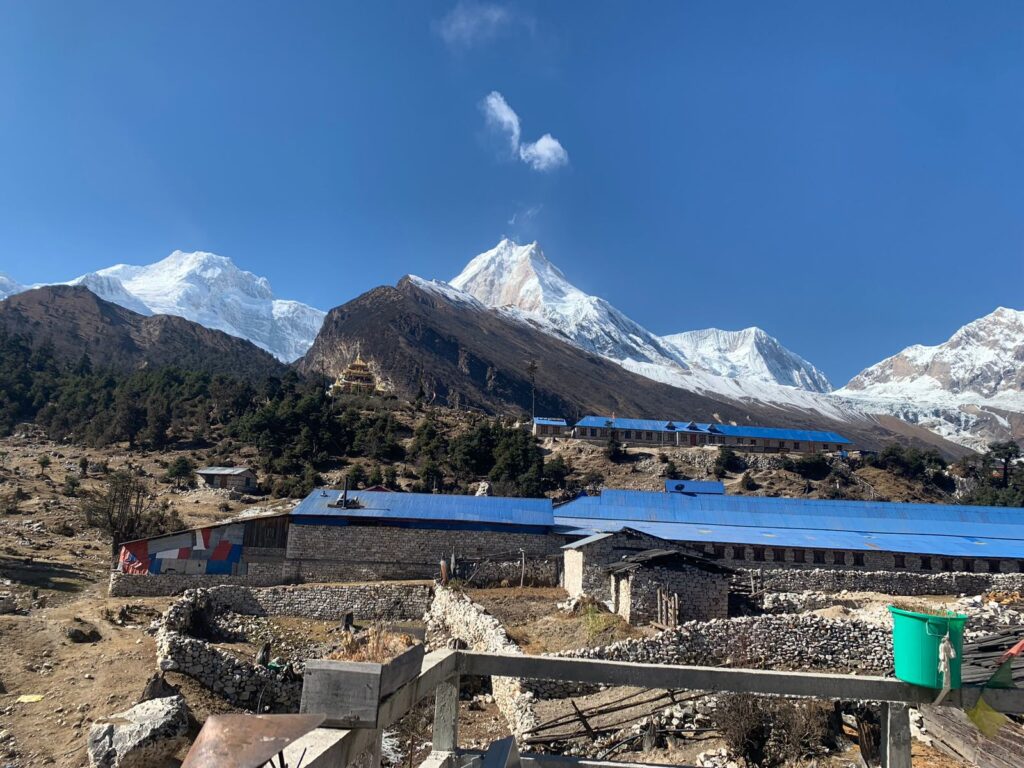
Villages like Samagaon and Samdo still function primarily for locals, not tourists. Tibetan Buddhism shapes daily life through:
- Monasteries
- Mani walls
- Prayer rituals
This region feels observed, not performed.
Annapurna Circuit – Cultural Diversity with Tourism Influence
While culturally rich, many villages are tourism‑centric. Traditions remain, but are often integrated into the visitor economy.
Cultural Curiosity Check:
“Do I want to witness culture—or consume it?”
6. Physical & Mental Challenge Balance
Manaslu Circuit Difficulty
- Longer daily walks
- Rougher trails
- Less psychological comfort
Crossing Larkya La Pass (5,160 m) demands both endurance and confidence.
Annapurna Circuit Difficulty
- Gradual ascents
- Better acclimatization options
- Easier evacuation if needed
Though Thorong La Pass (5,416 m) is higher, the trek feels safer due to infrastructure.
7. Accommodation & Comfort Expectations
Manaslu Circuit
- Basic teahouses
- Limited menus
- Occasional power shortages
Comfort is secondary to experience.
Annapurna Circuit
- Hot showers, bakeries, Wi‑Fi
- Comfortable beds
- Western toilets in many places
Comfort enhances—but also distracts.
8. Accessibility & Transportation
Manaslu Circuit
- Road access only at start (Machha Khola) and end (Tal)
- Entire core trek on foot
Annapurna Circuit
- Jeep access to Manang
- Vehicle access from Muktinath onward
This allows:
- Shortened itineraries
- Emergency exits
9. Trekker Traffic & Atmosphere
Manaslu Circuit
- Quiet trails
- Minimal congestion
- Deep sense of remoteness
Annapurna Circuit
- Heavy traffic in peak season
- Crowds thin at higher altitudes
10. Seasonal Accessibility
Both treks are best in spring and autumn, but:
- Manaslu is risky during monsoon
- Annapurna offers alternate routes in poor weather
Final Verdict: Which Trek Is Right for You?
Choose Manaslu Circuit Trek if you want:
- Raw adventure
- Cultural authenticity
- Fewer trekkers
- Expedition‑like experience
Choose Annapurna Circuit Trek if you want:
- Comfort and flexibility
- Social interaction
- Scenic variety
- Easier logistics
There is no better trek—only a better fit.
If time allows, combining Manaslu + Annapurna Circuit offers the ultimate Himalayan journey: starting with wilderness and ending with comfort.
Ready to Choose?
Your decision should align with who you are as a trekker, not just what looks good on paper.
The Himalayas reward honesty—with yourself first.
Table of Contents
- Introduction: Two Himalayan Giants, Two Very Different Journeys
- Quick Overview: Manaslu Circuit vs Annapurna Circuit Trek
- 1. Trekking Psychology: Solitude vs Social Energy
- 2. Permits, Regulations & Trekking Freedom
- 3. Cost Reality: Fixed vs Flexible Budgets
- 4. Landscape Evolution: Gradual Wilderness vs Dramatic Variety
- 5. Cultural Depth: Living Culture vs Display Culture
- 6. Physical & Mental Challenge Balance
- 7. Accommodation & Comfort Expectations
- 8. Accessibility & Transportation
- 9. Trekker Traffic & Atmosphere
- 10. Seasonal Accessibility
- Final Verdict: Which Trek Is Right for You?
