


Need help?
Talk to trip expertManaslu Trek in Winter: A Raw, Quiet, and Unforgettable Himalayan Experience
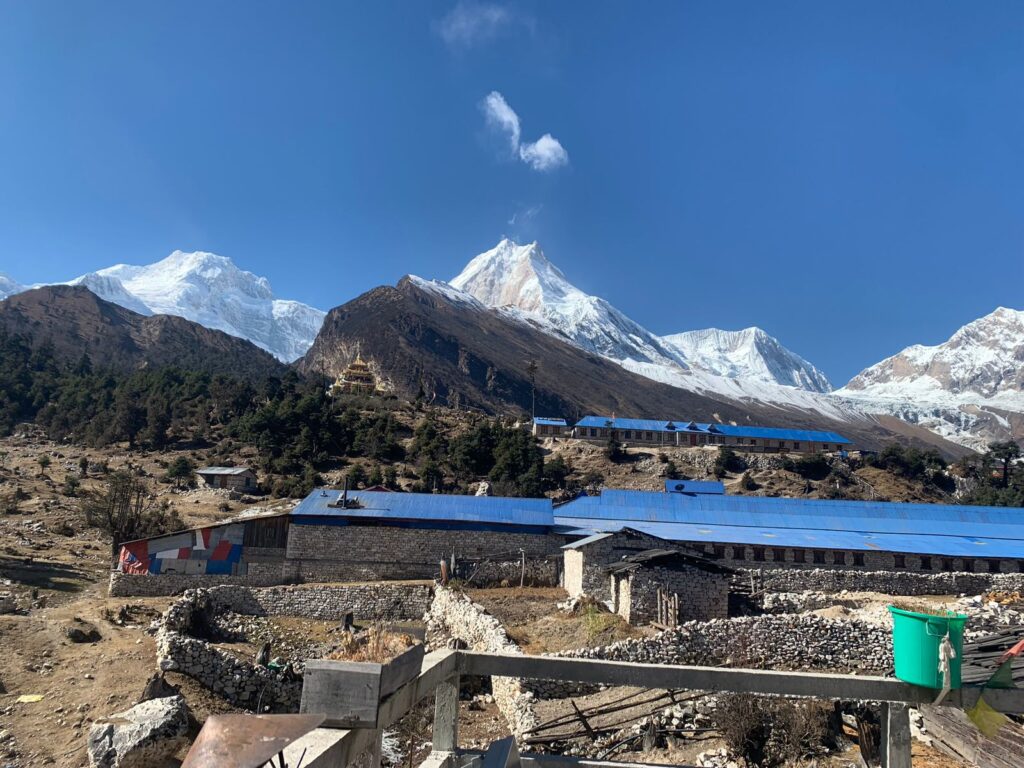
The Manaslu Trek in Winter transforms the entire region into a serene world of snow and shimmering peaks. Trails become peaceful, the mountain air sharper and cleaner, and every village looks tucked inside its own pristine, snowy cocoon. For trekkers seeking solitude in the Himalayas, untouched nature, and a winter trekking adventure that feels raw and authentic, winter in Manaslu offers a rare and unforgettable experience.
Unlike the busy trekking seasons of autumn and spring, the Manaslu Circuit Trek in Winter provides empty trails, tranquil mornings, and crystal-clear views of towering Himalayan peaks that seem close enough to touch. The cold is real, and so are the challenges—but with proper preparation and expert guidance from Adventure Walkways, this season promises a safe, adventurous, and once-in-a-lifetime winter trek in Manaslu that remains etched in memory long after the snow melts.
Highlights of Manaslu Trek in Winter
1. A Pure White Himalayan Wonderland
Snow transforms the region into an untouched landscape—powdery trails, shimmering ridgelines, and frozen cascades that look like crystal sculptures. Every turn feels like stepping into a hand-painted winter postcard.
2. Frozen Lakes & Waterfalls
Winter reveals hidden beauty: half-frozen lakes, ice-covered boulders, and waterfalls frozen mid-flow. These dramatic features are seen only by winter trekkers.
3. Crystal-Clear Visibility
Winter offers the clearest skies of the year. Sunrises spark across the peaks, evenings glow gold, and the Milky Way appears almost too bright at higher altitudes.
4. Peaceful, Empty Trails
No crowds, no noise — just crunching snow, mountain winds, and absolute silence. Winter is the best season for those who want to trek without distractions.
5. Budget-Friendly Travel
With fewer trekkers visiting, many teahouses offer reduced rates, making winter one of the most affordable seasons.
6. Rare Wildlife Sightings
Snow leaves tracks everywhere—blue sheep, Himalayan thar, even elusive paw prints that hint at snow leopards in the region.
7. Genuine Cultural Encounters
Fewer trekkers mean deeper conversations. Locals have more time to share stories, traditions, and winter lifestyle practices that you don’t often get to witness in busy seasons.
8. Winter Photography Paradise
Golden light on white peaks, frozen rivers, glittering frost—winter gives photographers a dream canvas.
9. Real Adventure & Challenge
Winter trekking in Manaslu is not casual. Snow-covered paths, freezing nights, and challenging passes create a thrilling journey for seasoned trekkers.
Key Considerations for Manaslu Trek in Winter (Very Important Section)
This is where winter becomes different — and why preparation is everything.
1. Gear Preparation (Most Critical)
You must carry proper winter equipment:
-20°C rated sleeping bag
Insulated waterproof trekking boots
Microspikes / lightweight crampons
High-quality thermal base layers
Windproof & waterproof outer layer
Warm gloves, hat, neck gaiter
Without these, winter Manaslu becomes unsafe.
2. Weather Awareness
Lower altitudes: 5°C to 10°C (daytime)
Higher altitudes: Down to -15°C or colder (night)
Wind chill at Larkya La Pass can feel like -25°C
Understanding the cold is essential — not just for comfort, but for safety.
3. Trail Conditions
Expect:
Deep snow on high sections
Slippery ice near Dharamsala
Frozen steps around Larkya La
Narrow icy ridges
Microspikes + trekking poles are non-negotiable.
4. Daylight Management
Winter gives you fewer hours of light.
You must:
Start early every day
Avoid walking after 3–4 PM
Reach teahouses before sunset when temperatures crash
5. Physical Readiness
Winter trekking requires:
Strong legs
Good stamina
Ability to handle cold stress
This is not a season for beginners unless accompanied by expert guides and proper preparation.
6. Emergency Preparedness
Winter weather changes fast. Bring:
GPS device
Portable oxygen
Extra power banks
Paper map
Personal first aid
These items are not optional for winter.
Weather and Trail Conditions: What Winter in Manaslu Actually Feels Like
Winter in Manaslu is stunning but demanding.
Here’s what trekkers need to know:
Daytime at lower levels: 5°C–10°C
Nights above 4,000 m: −15°C or lower
Snowfall: sudden, heavy, unpredictable
Wind: strong around exposed passes
Teahouse availability: limited at high altitude
The most difficult section is Larkya La Pass (5,160 m) — in winter, it becomes a snow-white challenge requiring added caution and flexibility.
Yet, despite the cold, winter skies are incredibly clear, offering perfect views of Manaslu, Himlung, Cheo Himal, Kang Guru, and more. The atmosphere is calm, crisp, and breathtakingly beautiful.
Pros and Challenges of Manaslu Winter Trek
Pros
✔ Quiet Trails & Deep Solitude
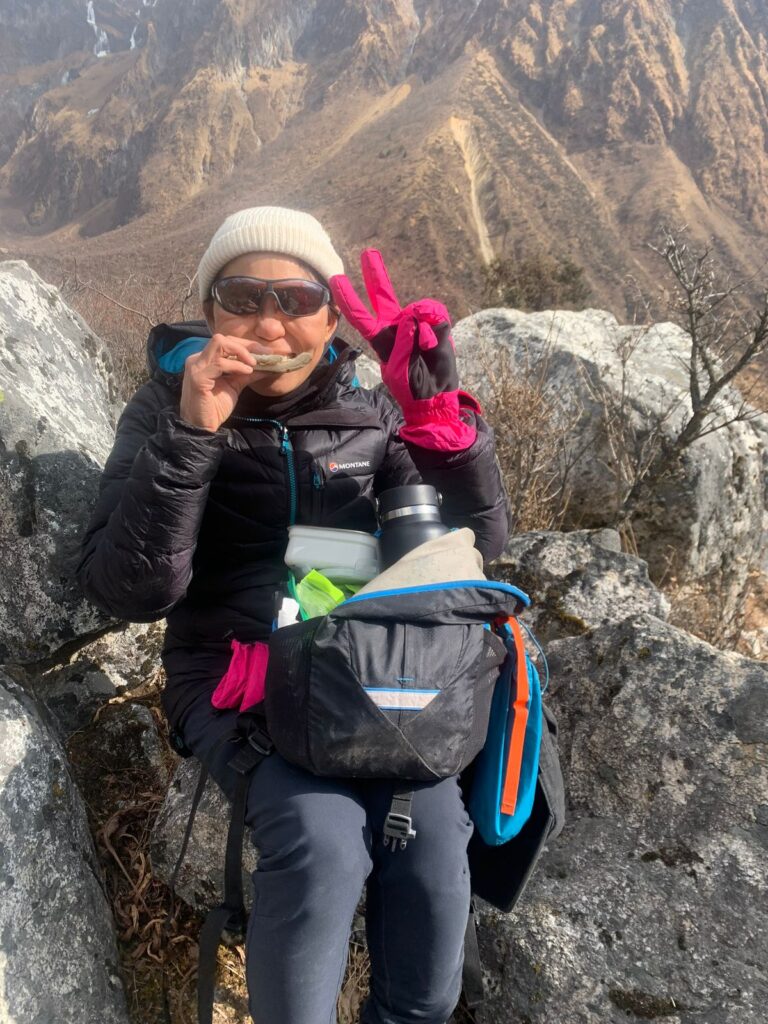
Nothing compares to walking entirely alone with the Himalayas rising above you. The quiet makes everything feel more meaningful.
✔ Exceptional Scenery
Winter scenery is sharper, brighter, and more dramatic than any other season.
✔ Local Connections
With fewer trekkers, you gain deeper conversations, warm hospitality, and true cultural exchanges.
✔ Lower Costs
Off-season rates make accommodations more budget-friendly.
Challenges
✘ Extreme Cold
Nights easily fall below −20°C at high altitude.
✘ Snow-Covered Trails
Deep snow makes Larkya La especially tough.
✘ Shorter Days
Less sunlight means tighter schedules.
✘ Higher Risk of Larkya La Closure
Heavy snow sometimes forces trekkers to return the same way.
✘ Requires Very Good Fitness
Snow + altitude = physically demanding trekking.
Larkya La Pass in Winter: The Most Critical Part of the Trek

Larkya La (5,160 m) becomes a serious challenge in winter.
Why It’s Difficult
Heavy snowfall hides the trail completely
Ice layers create dangerously slippery sections
Winds at the pass are strong and freezing
Visibility can change within minutes
This section demands proper planning, flexibility, and expert guidance.
What Happens If the Pass Is Uncrossable?
If heavy snow blocks the pass:
The only safe option is returning the same route
This adds extra trekking days
Your guide will make the decision based on safety
Extra Days Are Necessary (Unique Winter Aspect)
Trekkers must include at least 3 buffer days for:
Weather delays
Route adjustments
Recovery time
Avoiding missed flights
This flexibility is essential in winter.
Gear Recommendations for Winter (Enhanced & More Unique)
Winter in Manaslu requires serious, reliable gear.
Here’s an improved and more detailed list:
1. Cold-Weather Essentials
High-fill down jacket (800+ fill)
-20°C rated sleeping bag with liner
Double-layer gloves (inner fleece + waterproof outer)
Merino wool thermal set
2. Footwear & Traction
Insulated boots with a Vibram sole
Microspikes or light crampons
Snow gaiters to block snow entry
3. Outer Shell Protection
Waterproof jacket & trousers
Windproof softshell mid-layer
Snow-resistant hood
4. Accessories
Balaclava + warm hat
Neck gaiter or buff
Thick thermal socks (3–4 pairs)
Reusable hand/foot warmers
UV-protective sunglasses (snow glare is intense)
5. Navigation & Safety
GPS or satellite device
Compass & paper map
Headlamp with warm batteries
Extra power banks (cold drains battery fast)
6. Hydration & Energy
Insulated water bottle
Thermos for warm drinks
High-calorie snacks (nuts, chocolate, dried fruit)
These items make winter trekking safer and far more comfortable.
Altitude Sickness in Winter
Altitude sickness is always a risk, but winter increases it because:
Cold stresses the body
Snow makes trekking physically harder
Teahouse heating is limited at high altitudes
Major AMS Risk Zones
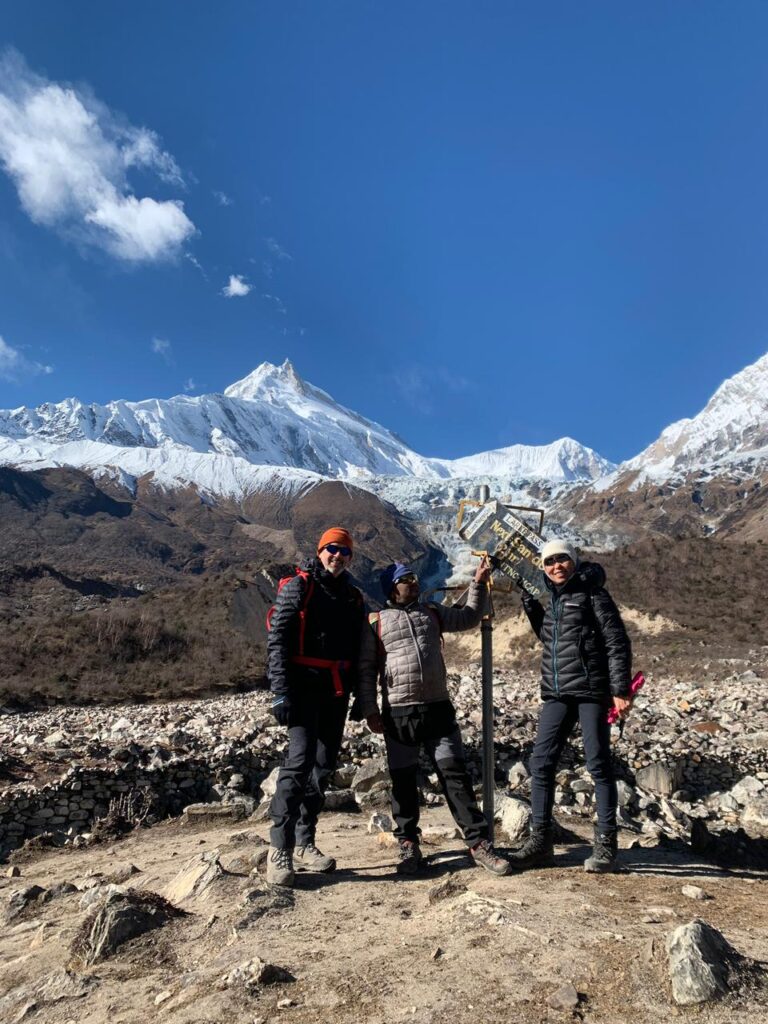
Samagaun (3,520 m)
Samdo (3,875 m)
Dharamsala (4,460 m)
Larkya La Pass (5,160 m)
Prevention
Acclimatize slowly
Hydrate well (even if you don’t feel thirsty)
Eat high-carb meals
Stay warm
Avoid alcohol
Consider Diamox (consult your doctor)
If You Feel Symptoms
Stop ascending
Rest
Descend if symptoms worsen
Use supplemental oxygen if required
Manaslu Trek Winter Aspects: A Complete Guide to Snow, Silence, and Himalayan Magic
Winter transforms the Manaslu region into a world few ever experience. From frozen waterfalls to hidden wildlife tracks, every part of the trek reveals unique aspects that make it truly extraordinary. For trekkers, understanding these winter-specific conditions and phenomena is essential for safety, preparation, and a richer experience. Below, we detail the most remarkable winter features of the Manaslu Trek.
1. Ice Formations & Frozen Features
Winter in Manaslu brings a spectacular transformation of rivers, waterfalls, and streams:
Icicle caves and hanging ice sheets: Along rivers and cliffs, you will encounter natural ice formations shaped by dripping water, frozen mid-fall into delicate chandeliers.
Frozen waterfalls: Mid-flow waterfalls freeze in crystal-like forms, creating stunning photo opportunities that vanish once temperatures rise.
Partially frozen glacial streams: Some streams turn into surreal winter mirrors, reflecting surrounding peaks and clouds, offering a scene that’s truly otherworldly.
These formations not only provide visual delight but also create unique trekking hazards, requiring extra attention and proper footwear.
2. Snow-Based Trail Variations
Snow dramatically alters the trail conditions in winter:
Shifting snow drifts: Daily wind and snowfall can completely change the trail, making familiar paths unrecognizable.
Snow bridges over streams: Some small rivers and gorges are only crossable via natural snow bridges formed in deep winter.
Obscured trail markers: Snow can cover usual signs and cairns, creating a navigational challenge that requires careful map reading and GPS support.
Winter trekking in Manaslu therefore demands extra preparation, experience, and awareness of trail conditions.
3. Rare Winter Wildlife & Tracks
One of the most fascinating aspects of winter trekking is the opportunity to see wildlife differently:
Animal tracks in snow: Snow reveals trails of elusive creatures like snow leopards, foxes, and Himalayan martens.
Bird behaviour: Birds such as the snow pigeon and Himalayan monal behave differently in winter, often moving to lower elevations or clustering around scarce food sources.
Descending blue sheep and thar: Snow forces some herbivores to move lower, giving trekkers a rare chance for wildlife photography in open valleys.
These encounters make winter Manaslu a dream for wildlife enthusiasts and photographers.
4. Unique Atmospheric Phenomena
The winter season brings phenomena rarely seen in other months:
Diamond dust: Tiny ice crystals float in the air and sparkle in sunlight, creating an ethereal, glittering atmosphere.
Mirage effects (Fata Morgana): Cold mornings over snowfields can create distant illusions, making peaks appear taller or rivers shimmer unusually.
Golden hour reflections: Low winter sun enhances the glow on snow-covered peaks and glaciers, perfect for photography.
Intensified night sky: Clear skies with minimal light pollution make the Milky Way and aurora-like glows extremely vivid.
These effects turn winter trekking into a multi-sensory experience beyond ordinary trekking.
5. Village & Cultural Winter Uniqueness
Winter allows for deeper cultural immersion:
Winter festivals and rituals: Some high-altitude villages hold traditional ceremonies and local gatherings that are not visible during busy seasons.
Yak herding and firewood gathering: Winter shows the daily survival routines of Himalayan communities, giving trekkers an authentic view of mountain life.
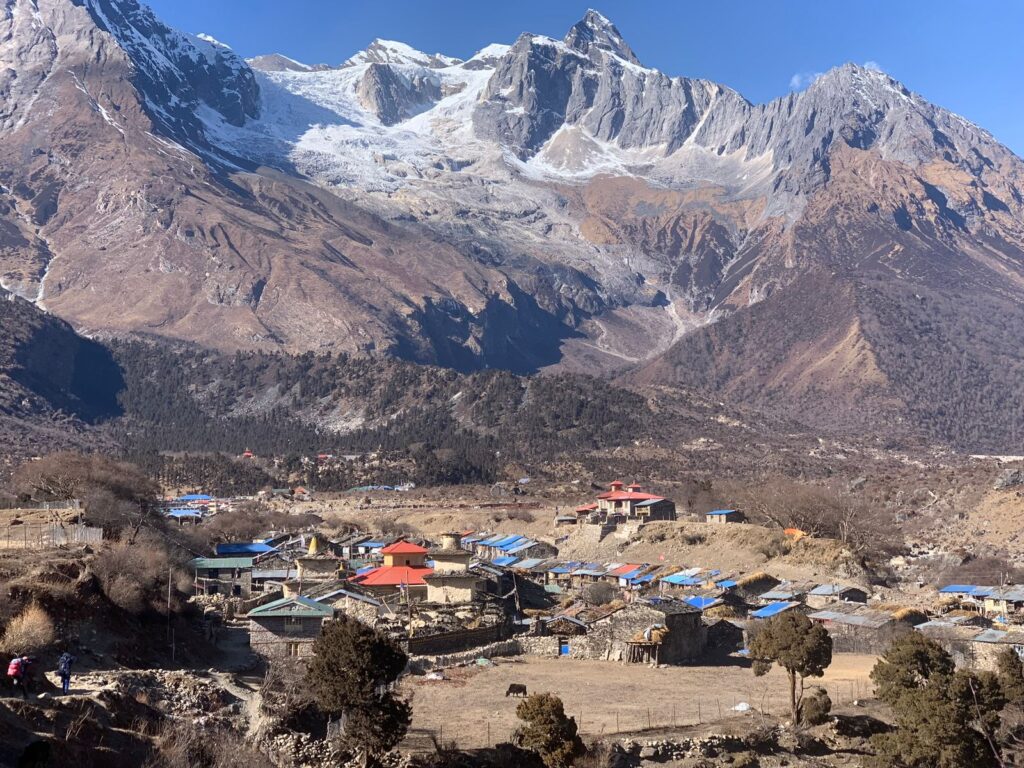
Snow-protected homes and frozen prayer flags: Architecture and spiritual symbols adapted for winter create fascinating photography subjects.
With fewer trekkers, locals spend more time interacting, offering a richer cultural experience.
6. Adventure & Survival Experiences
Winter trekking challenges the body and mind:
Snow camping at Dharmashala: Experiencing nights below freezing adds a survival aspect unique to winter.
Microspikes and hidden ice ridges: Some paths are only passable with proper traction gear, creating a technical element of adventure.
Mental endurance: Long, silent stretches through snow-covered terrain enhance self-reflection and a deep connection with nature.
These experiences make winter Manaslu more than a trek—it becomes a true adventure journey.
7. Environmental & Natural Observations
Winter highlights subtle Himalayan features:
Frozen glacial lakes reflect peaks in ways impossible in summer.
Ice-covered prayer wheels spinning in the cold wind create both a visual and spiritual charm.
Ice layers forming on plants, boulders, and prayer flags illustrate the quiet but powerful impact of winter on the ecosystem.
Observing these changes helps trekkers appreciate the fragile winter environment.
8. Special Winter Trekking Challenges
Manaslu winter trekking comes with specific challenges:
Trail ambiguity: Deep snow can obscure usual paths.
Avalanche-prone slopes: Some high sections become risky and must be navigated with expert guidance.
Short day hiking: With less sunlight, trekkers must plan early starts and creative rest stops to stay safe.
Understanding these challenges is critical for a safe and rewarding experience.
9. Unique Photography & Filming Opportunities
Winter Manaslu is a photographer’s dream:
Sunrise over snow peaks captured in time-lapse or slow-motion.
Footprints in untouched snow tell stories of solitude and adventure.
Night photography of the Milky Way above snow fields, without light pollution.
Frozen rivers, ice formations, and reflective glacial surfaces offer cinematic possibilities.
These rare moments make winter trekking in Manaslu truly unforgettable.
Final Thoughts: Why Winter Manaslu Is Truly Special
Manaslu in winter is not just a trek — it’s a journey into a quiet, frozen, breathtaking world. The landscapes feel untouched, the skies glow impossibly blue, and the cold air sharpens every moment. Yes, the season demands preparation, solid gear, and respect for the mountains — but the rewards are extraordinary.
If you want:
Silence instead of crowds,
Depth instead of rush,
Raw beauty instead of commercial trails —
Winter Manaslu is the experience you’ve been looking for.
Table of Contents
- Manaslu Trek in Winter: A Raw, Quiet, and Unforgettable Himalayan Experience
- Highlights of Manaslu Trek in Winter
- Key Considerations for Manaslu Trek in Winter (Very Important Section)
- Weather and Trail Conditions: What Winter in Manaslu Actually Feels Like
- Pros and Challenges of Manaslu Winter Trek
- Larkya La Pass in Winter: The Most Critical Part of the Trek
- Gear Recommendations for Winter (Enhanced & More Unique)
- Altitude Sickness in Winter
- Manaslu Trek Winter Aspects: A Complete Guide to Snow, Silence, and Himalayan Magic
- Final Thoughts: Why Winter Manaslu Is Truly Special
