



Need help?
Talk to trip expertNepal Everest Base Camp Trek – The Ultimate 14-Day Himalayan Journey for International Travelers
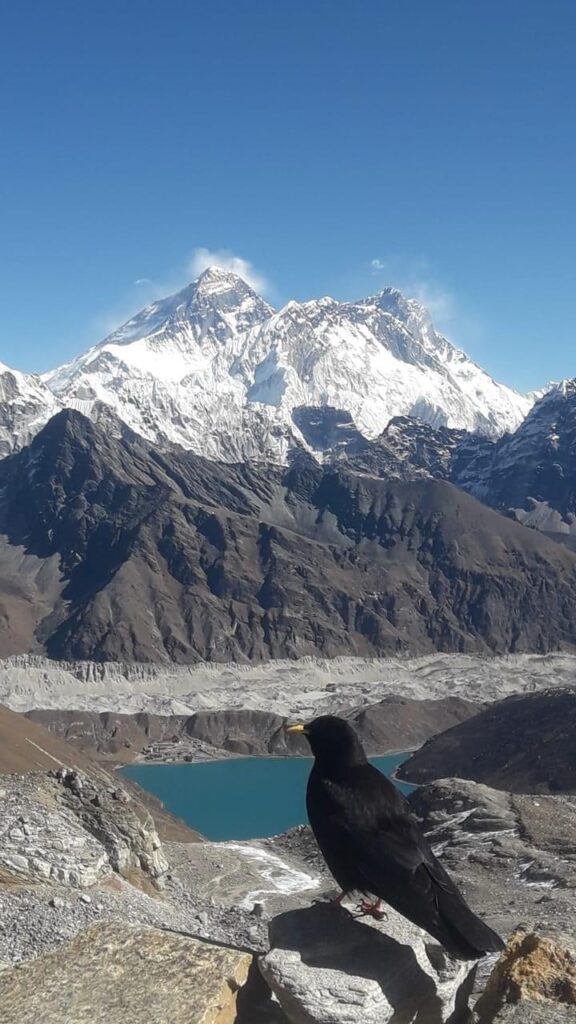
The Nepal Everest Base Camp Trek is the most iconic trekking adventure in the Himalayas and one of the world’s greatest long-distance walks. Set in the legendary Solu Khumbu region, this unforgettable journey takes you deep into the heart of the Everest region, offering breathtaking mountain scenery, rich Sherpa culture, and the rare opportunity to stand at the foot of Mount Everest (8,848.86 m)—the highest mountain on Earth. For travelers seeking a life-changing high-altitude experience, the Nepal Everest Base Camp Trek represents the perfect blend of adventure, culture, challenge, and achievement.
Designed for international travelers from the USA, UK, Europe, Australia, and beyond, this 14-day Everest Base Camp trek follows the classic route pioneered by early mountaineers. With proper acclimatization, comfortable teahouse accommodation, and expert local support, the trek is achievable for fit beginners as well as seasoned hikers.
Why the Nepal Everest Base Camp Trek Is World-Famous
The Nepal Everest Base Camp Trek is not just about reaching a destination—it is about the journey itself. Few treks on Earth offer such dramatic scenery, cultural depth, and historical significance in a single experience.
What Makes This Trek Special?
Walking trails used by legendary climbers such as Sir Edmund Hillary and Tenzing Norgay
Immersive exposure to Sherpa culture, traditions, and monasteries
Spectacular views of Everest, Ama Dablam, Lhotse, Nuptse, Thamserku, and more
A sense of achievement that stays with you for a lifetime
Well-developed trekking infrastructure with teahouses, guides, and safety systems
The Nepal Everest Base Camp Trek is often described as a once-in-a-lifetime adventure, and for many travelers, it becomes the highlight of their global travel experiences.
Overview of the Nepal Everest Base Camp Trek – 14 Days
Region: Everest / Solu Khumbu
Duration: 14 Days
Maximum Elevation: 5,545 m (Kala Patthar)
Everest Base Camp Elevation: 5,364 m
Trek Difficulty: Moderate to Challenging
Accommodation: Teahouses during trek, 5★ hotel in Kathmandu
Best Seasons: March–May & September–November
This itinerary is carefully designed to ensure proper acclimatization, reducing the risk of altitude sickness while maximizing enjoyment.
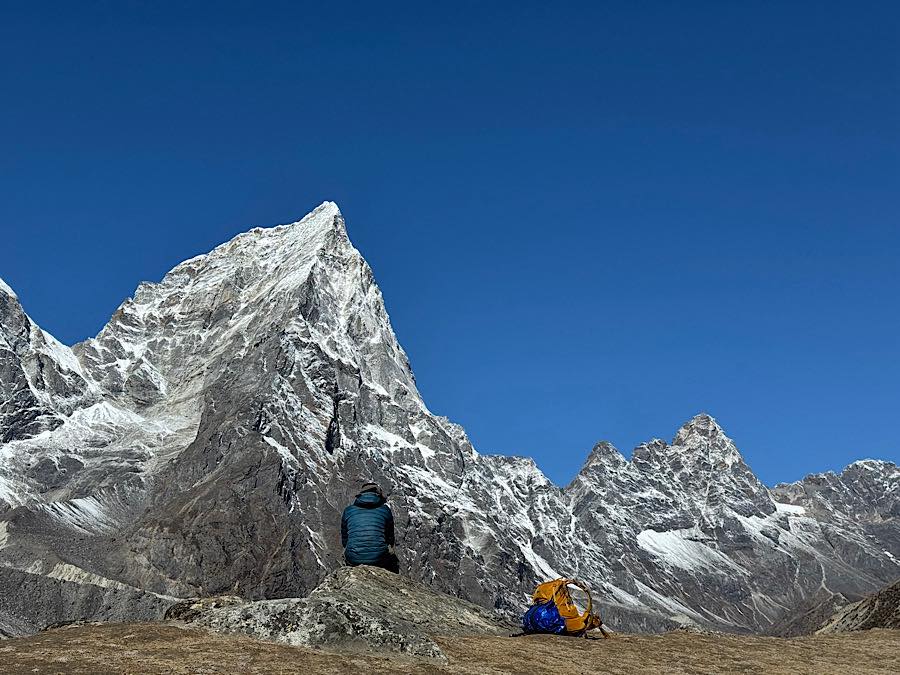
Nepal Everest Base Camp Trek Route Explained
The Nepal Everest Base Camp Trek begins with a thrilling flight from Kathmandu or Ramechhap to Lukla, widely regarded as one of the most exciting mountain airports in the world. From Lukla, the trail gradually ascends through picturesque Sherpa villages, dense forests, glacial valleys, and alpine landscapes.
Key Villages Along the Route
Phakding
A peaceful riverside village where trekkers spend their first night in the Khumbu region.
Namche Bazaar
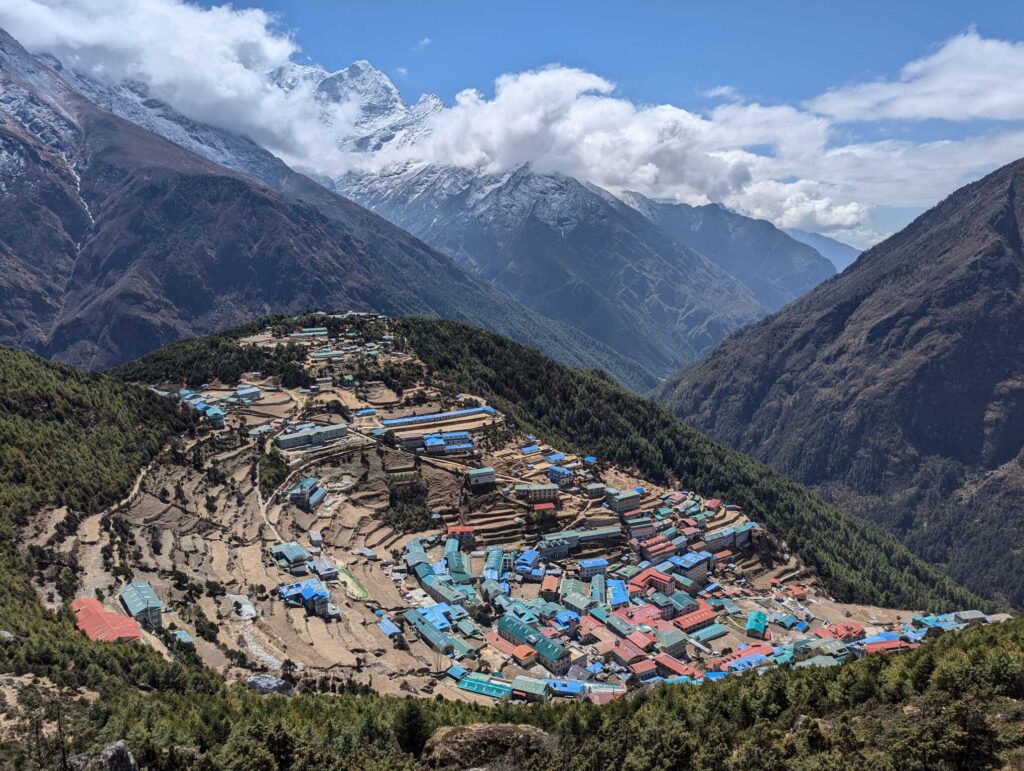
The vibrant Sherpa capital and commercial hub of the Everest region. This is where trekkers acclimatize and experience modern mountain life blended with tradition.
Tengboche
Home to the famous Tengboche Monastery, offering spiritual insight and stunning mountain backdrops.
Dingboche & Lobuche
High-altitude settlements surrounded by dramatic Himalayan scenery and glacial landscapes.
Gorak Shep
The final settlement before reaching Everest Base Camp and Kala Patthar.
Day-by-Day Nepal Everest Base Camp Trek Itinerary
Day 01: Arrival in Kathmandu (1,300 m)
Arrive in Nepal’s capital city and transfer to your hotel. Meet your trekking guide and prepare for the adventure ahead.
Day 02: Fly to Lukla – Trek to Phakding (2,652 m)
Enjoy a scenic mountain flight before starting your trek through lush forests and traditional villages.
Day 03: Phakding to Namche Bazaar (3,440 m)
Cross suspension bridges over the Dudh Koshi River and enter Sagarmatha National Park.
Day 04: Acclimatization Day in Namche Bazaar
Side hike to Syangboche or Everest View Hotel for panoramic mountain views.
Day 05: Namche Bazaar to Tengboche (3,870 m)
A scenic trek with views of Ama Dablam and Everest, ending at the region’s most famous monastery.
Day 06: Tengboche to Dingboche (4,460 m)
Gradual ascent through alpine landscapes and traditional Sherpa villages.
Day 07: Acclimatization Day in Dingboche
Hike to Nagarsang Peak (5,170 m) to prepare your body for higher altitudes.
Day 08: Dingboche to Lobuche (4,940 m)
Walk alongside the Khumbu Glacier with dramatic mountain scenery.
Day 09: Lobuche to Gorak Shep – Everest Base Camp (5,364 m)
Reach the legendary Everest Base Camp—a moment of pure achievement.
Day 10: Kala Patthar (5,545 m) – Trek to Pheriche
Witness sunrise over Everest before descending to lower altitude.
Day 11: Pheriche to Namche Bazaar
Retrace your steps with a sense of accomplishment.
Day 12: Namche to Lukla
Celebrate the completion of your Nepal Everest Base Camp Trek.
Day 13: Fly Back to Kathmandu
Enjoy a well-earned rest in your hotel.
Day 14: Departure or Free Day
How Difficult Is the Nepal Everest Base Camp Trek?
The Nepal Everest Base Camp Trek is considered moderate to challenging, mainly due to altitude rather than technical difficulty.
Key Factors
Daily walking: 5–7 hours
Terrain: Well-defined trails, some steep sections
No climbing or mountaineering experience required
With reasonable fitness, mental determination, and proper acclimatization, most trekkers successfully complete the journey.
Best Time to Do the Nepal Everest Base Camp Trek
Spring (March–May)
Clear skies
Rhododendron blooms
Ideal temperatures
Autumn (September–November)
Best visibility
Stable weather
Peak trekking season
Winter (December–February)
Cold but quiet
Fewer crowds
Monsoon (June–August)
Lush landscapes
Cloudy views
Less popular
Food & Accommodation on the Nepal Everest Base Camp Trek
Accommodation in Kathmandu
Before and after the trek, relax in a 5-star hotel with full amenities—perfect for recovery and comfort.
Teahouse Accommodation During the Trek
Twin-sharing rooms
Communal bathrooms
Cozy dining halls with heating stoves
Simple, clean, and authentic
The simplicity of teahouse living is part of the Himalayan trekking experience.
Food on the Nepal Everest Base Camp Trek
Meals are freshly prepared and surprisingly varied.
Local Dishes
Dal Bhat (rice, lentils, vegetables)
Sherpa stew
Garlic soup
Vegetable momos
Western Options
Pasta, pizza, fried rice
Pancakes, eggs, porridge
Soups and sandwiches
A vegetarian diet is recommended at higher altitudes for safety.
Drinking Water & Sustainable Trekking
We strongly promote eco-friendly trekking. Wherever possible, purified water systems are used to reduce plastic waste. This approach protects the fragile Everest ecosystem while providing safe drinking water.
Is the Nepal Everest Base Camp Trek Right for You?
✔ Travel Style: Active
✔ Physical Rating: Challenging (5/5)
✔ Trip Type: Small Group (Max 15)
✔ Age Requirement: 12+ (under 18 with adult)
This trek is ideal if you:
Dream of seeing Mount Everest up close
Enjoy physical challenges
Value cultural immersion
Want a safe, guided Himalayan experience
Permits Required for Nepal Everest Base Camp Trek
Sagarmatha National Park Permit
Khumbu Pasang Lhamu Rural Municipality Permit
All permits are arranged by your trekking operator.
Safety, Guides & Support
Licensed English-speaking guides
Experienced porters
Daily health checks
Emergency evacuation support
Your safety is the top priority throughout the Nepal Everest Base Camp Trek.
Why Book the Nepal Everest Base Camp Trek with Adventure Walkway?
Transparent pricing
Customized itineraries
Ethical porter welfare
High client satisfaction from international travelers
Final Thoughts: Why the Nepal Everest Base Camp Trek Is Unmatched
The Nepal Everest Base Camp Trek is more than a trek—it is a journey into the soul of the Himalayas. From dramatic mountain panoramas to deep cultural connections and personal achievement, this adventure defines what trekking in Nepal truly means.
Standing beneath Mount Everest, surrounded by the world’s highest peaks, you’ll realize that this journey is not just about reaching Base Camp—it’s about discovering your own strength, resilience, and sense of wonder.
If Everest is calling, this is the journey that answers.
Frequently Asked Questions – Nepal Everest Base Camp Trek
1. What is the Nepal Everest Base Camp Trek?
The Nepal Everest Base Camp Trek is a classic Himalayan trekking adventure that takes you to the base of Mount Everest at 5,364 meters. The trek passes through Sherpa villages, monasteries, and stunning mountain landscapes in the Solu Khumbu region.
2. How difficult is the Nepal Everest Base Camp Trek?
The Nepal Everest Base Camp Trek is considered moderate to challenging. The trail itself is not technical, but high altitude, long walking days, and changing weather make it physically demanding.
3. Can beginners do the Nepal Everest Base Camp Trek?
Yes, beginners with good fitness, mental determination, and proper preparation can complete the Nepal Everest Base Camp Trek. Acclimatization days are included to help your body adapt to altitude.
4. How long does the Nepal Everest Base Camp Trek take?
The standard Nepal Everest Base Camp Trek takes 14 days, including arrival, acclimatization, trekking days, and return flights to Kathmandu.
5. What is the highest point of the Nepal Everest Base Camp Trek?
The highest point of the trek is Kala Patthar (5,545 m), which offers the best panoramic views of Mount Everest. Everest Base Camp itself sits at 5,364 meters.
6. What is the best time to do the Nepal Everest Base Camp Trek?
The best seasons are spring (March–May) and autumn (September–November). These months offer clear mountain views, stable weather, and comfortable trekking conditions.
7. How much does the Nepal Everest Base Camp Trek cost?
The cost typically ranges between USD 1,200 and USD 1,800 per person, depending on group size, season, accommodation level, and included services.
8. What permits are required for the Nepal Everest Base Camp Trek?
You need two permits:
Sagarmatha National Park Permit
Khumbu Pasang Lhamu Rural Municipality Permit
These are usually arranged by your trekking company.
9. Is altitude sickness a concern on the Nepal Everest Base Camp Trek?
Altitude sickness can occur, but it is manageable with proper acclimatization, hydration, slow ascent, and listening to your guide. Most trekkers complete the trek without serious issues.
10. What kind of accommodation is available during the trek?
Accommodation along the route consists of basic but comfortable tea houses with twin-sharing rooms. Before and after the trek, you will stay in a 5-star hotel in Kathmandu.
11. What does the Bed and Breakfast option include?
The Bed and Breakfast option includes overnight accommodation and daily breakfast, while allowing trekkers to choose their own lunch and dinner from local teahouse menus.
12. What food is available on the Nepal Everest Base Camp Trek?
You’ll find a variety of food, including:
Local dishes like Dal Bhat, momos, Sherpa stew, garlic soup
Western meals such as pasta, pizza, fried rice, eggs, pancakes
Vegetarian meals are recommended at higher altitudes.
13. Is safe drinking water available on the trek?
Yes, purified water systems are used where possible to reduce plastic waste. In areas with limited water sources, bottled water is available for purchase.
14. Do I need travel insurance for the Nepal Everest Base Camp Trek?
Yes, travel insurance is mandatory. It must cover high-altitude trekking and emergency helicopter evacuation up to at least 6,000 meters.
15. How many hours do you walk each day?
On average, trekkers walk 5 to 7 hours per day, depending on altitude, terrain, and acclimatization needs.
16. Is the Nepal Everest Base Camp Trek safe?
Yes, the trek is considered safe when done with licensed guides, proper planning, and safety protocols. The route is well-established and supported by local communities.
17. What age group is suitable for this trek?
The Nepal Everest Base Camp Trek is suitable for travelers aged 12 years and above. Anyone under 18 must be accompanied by an adult.
18. Do I need a guide for the Nepal Everest Base Camp Trek?
Hiring a licensed guide is highly recommended for safety, navigation, altitude management, and cultural insight throughout the trek.
19. How cold does it get during the Nepal Everest Base Camp Trek?
Temperatures can drop below –10°C at night at higher elevations, especially in autumn and winter. Proper layering and a warm sleeping bag are essential.
20. Is the Nepal Everest Base Camp Trek worth it?
Absolutely. The Nepal Everest Base Camp Trek offers unmatched mountain scenery, rich Sherpa culture, and the incredible achievement of standing at the base of the world’s highest mountain.