


Need help?
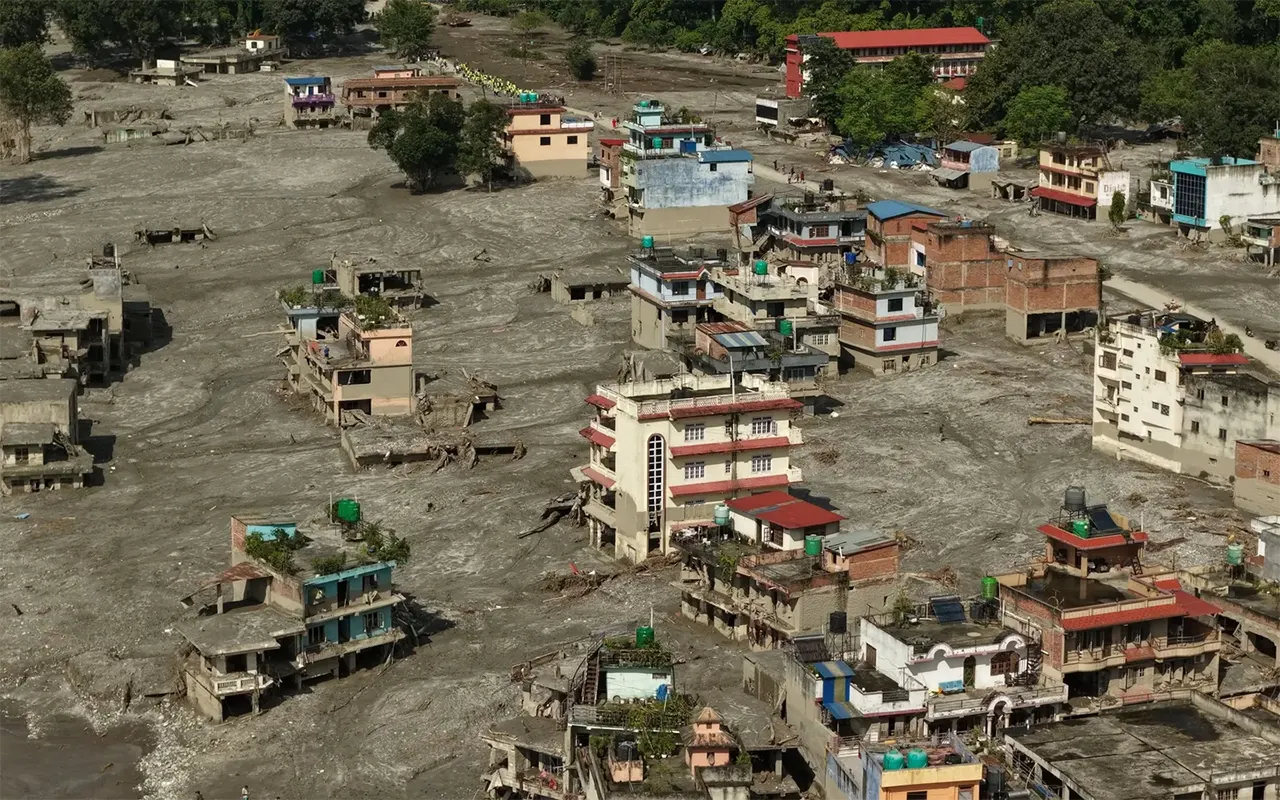
Talk to trip expertNepal travel after the Rasuwa flood remains possible as the country continues to welcome international travelers following the serious flash flood that affected Rasuwa and sections of the Bhotekoshi and Trishuli river corridors on August 26, 2026. The disaster caused extensive damage in northern Rasuwa, particularly around Rasuwagadhi and Timure, and disrupted roads, bridges and other infrastructure. Rescue and recovery work is still continuing in the affected areas.
The situation is not the same throughout Nepal. Some northern routes have been disrupted, while many popular trekking regions remain outside the direct impact of the flood.
This means that travelers don’t need to cancel their plans to go to Nepal. Depending on where they’re heading, they may still be able to go as planned, take a different route or visit a different part of the country.
Is Nepal Still Open for Tourism?
Yes. Nepal is still open for international travelers, although some parts of the country impacted by the flood may require different travel arrangements.
The main disruption is concentrated around Rasuwa and the Bhotekoshi and Trishuli river corridors. The Rasuwagadhi and Kerung border route has been severely affected, while the usual road approach toward Syabrubesi is also disrupted.
This should not be understood as a nationwide closure. TAAN has reported that several major trekking regions, including Everest, Annapurna, Manaslu, Kanchenjunga, Makalu, Rolwaling, Helambu, Dhaulagiri and Dolpa, were not directly affected by the recent flood.
For Nepal travel after the flood, the important thing is to look at the destination and its access route separately. A road problem in one district does not automatically mean that trekking throughout Nepal has stopped.
What Has Changed in Northern Nepal?
The most significant changes are in the northern Rasuwa corridor. Rasuwagadhi and Timure were badly affected by the flood, and the route connecting Nepal with the Kerung border in Tibet has been disrupted. The area remains a focus of rescue and recovery work, so travelers should avoid assuming that normal border travel has resumed.
The usual road approach through the Trishuli and Syabrubesi corridor has also been affected. This is particularly relevant for people planning trips toward Langtang, Gosaikunda, Ganesh Himal and Ruby Valley.
The important distinction is that an affected access road does not necessarily mean that the destination itself has been directly damaged.
This is especially important when looking at Langtang and Gosaikunda, where current trekking information separates the condition of the trekking areas from the condition of their usual access route.
Many Parts of Nepal Remain Available for Travel
Travelers who are flexible with their destination still have plenty of options.
The Everest region was not directly affected by the Rasuwa flood. Travelers planning Everest Base Camp and other Khumbu treks can continue preparing while checking current flights and weather conditions.
Annapurna, Manang and Mustang were also outside the direct impact of the Rasuwa disaster. These regions remain possible choices for travelers planning an autumn trip, subject to normal local road and weather checks.
Manaslu, including Tsum Valley and the Nubri and Larke Pass areas, was also reported as safe from the direct flood impact. The main point to check is the road used to reach the trekking area.
Kanchenjunga, Makalu, Dhaulagiri and Dolpa were also reported as having no direct impact from the recent flood. Rara and Jumla, along with several destinations in western Nepal, provide further choices for travelers looking beyond the affected northern corridor.
Conditions can still change because the monsoon season has not completely ended. A destination outside the flood area can experience its own road or weather problems, so current information remains important.
What About Langtang and Gosaikunda?
Langtang and Gosaikunda require more careful planning because their normal access route has been affected.
TAAN reported that Langtang, Kyanjin Valley and Gosaikunda remain safe, while the usual approach through the Trishuli and Syabrubesi corridor is affected and closed.
For Langtang, an alternative trekking approach has been suggested through:
Sundarijal → Chisapani → Thadepati → Ghoptebhir → Gosaikunda → Thulosyabru → Pairo → Lama Hotel → Langtang → Kyanjin
This is a different trekking approach rather than a replacement road. It takes additional planning and should only be considered after confirming current trail conditions, accommodation and local access.
Gosaikunda can also be approached from an alternative direction, depending on the latest trail conditions. Travelers should confirm the route before departure rather than relying on information published before the flood.
This is a good example of why travelers planning Nepal travel after the flood should check both the destination and the route used to reach it.
What If Your Original Route Is Affected?
A disrupted route does not automatically mean that the whole Nepal trip needs to be cancelled.
If your original itinerary passes through an affected area, first check whether another approach is currently practical. A local trekking agency can check the latest road and trail situation and adjust transportation or accommodation where necessary.
Travelers planning Ganesh Himal or Ruby Valley may also need to consider different approaches because their traditional northern access has been affected.
For Manaslu, the trekking area itself was not directly affected, but the road toward the trailhead should be confirmed before departure.
Being flexible can make travel easier during the recovery period. If a particular road remains unavailable, changing the route or selecting another destination may allow travelers to continue with their planned holiday.
Travel Planning After the Rasuwa Flood
| Original Travel Plan | Current Situation | Planning Option |
| Rasuwa and Rasuwagadhi | Major disruption in the area | Wait for reliable access information |
| Langtang | Normal Syabrubesi access affected | Check the alternative trekking approach |
| Gosaikunda | Usual northern access affected | Confirm an alternative approach |
| Ganesh Himal | Traditional access affected | Check current road options |
| Ruby Valley | Traditional access affected | Confirm the latest approach |
| Manaslu | Trekking area not directly affected | Check the road to the trailhead |
| Everest | No direct Rasuwa impact reported | Continue planning with current checks |
| Annapurna and Mustang | No direct Rasuwa impact reported | Continue planning and monitor weather |
| Kanchenjunga and Makalu | No direct flood impact reported | Confirm transportation |
| Dolpa and western Nepal | No direct Rasuwa impact reported | Check roads, flights and weather |
This overview reflects the current situation following the August 26 flood. It should not be treated as a permanent travel schedule because roads, trails and transportation can change.
Can You Still Plan an Autumn Trip to Nepal?
Yes. The recent flood has created serious problems for certain northern routes, but it has not stopped tourism and trekking throughout Nepal.
Travelers planning Everest, Annapurna, Manaslu, Mustang, Kanchenjunga or Makalu can still consider their trips while checking the latest transportation and weather information.
Those planning Langtang or Gosaikunda may need more flexibility because their normal access routes have been disrupted. An alternative route may be possible when current conditions allow.
The autumn season is approaching, and conditions may change as authorities inspect roads, clear damaged areas and continue recovery work. Travelers who can adjust their dates or routes will have more options.
When planning Nepal travel after the flood, checking recent information before departure is more useful than making a decision based only on the initial flood reports.
What Should Travelers Check Before Leaving?
Travel planning does not need to become complicated. A few current checks can help avoid unnecessary problems.
Before leaving Kathmandu check the road or flight to your destination. If you are planning a trek check on the current condition of the trail and any bridges or crossings that may be affected.
Check the weather forecast especially for mountain roads and higher trekking areas.
If you are using an alternative route, confirm that transportation and accommodation are available along the way.
Most importantly, use recent information. Conditions in affected areas can change as recovery work continues.
A local trekking agency can also help travelers understand current Nepal travel routes and make practical changes to an itinerary when required.
Nepal Travel Can Still Go Ahead
The Rasuwa disaster has understandably caused concern among people planning to visit Nepal. The damage in the affected corridor is serious, and recovery will take time.
At the same time, the situation in Rasuwa should not be taken as a picture of the whole country.
Many trekking destinations remain outside the direct flood affected area, and Nepal continues to welcome travelers. TAAN’s current route assessment also shows that several major trekking regions were not directly affected.
For visitors considering Nepal travel after the flood, there are still choices. Some travelers may continue with their original itinerary, while others may need to adjust their route or choose another destination.
The sensible approach is to stay informed, check the route shortly before departure and remain flexible if conditions change.
Conclusion
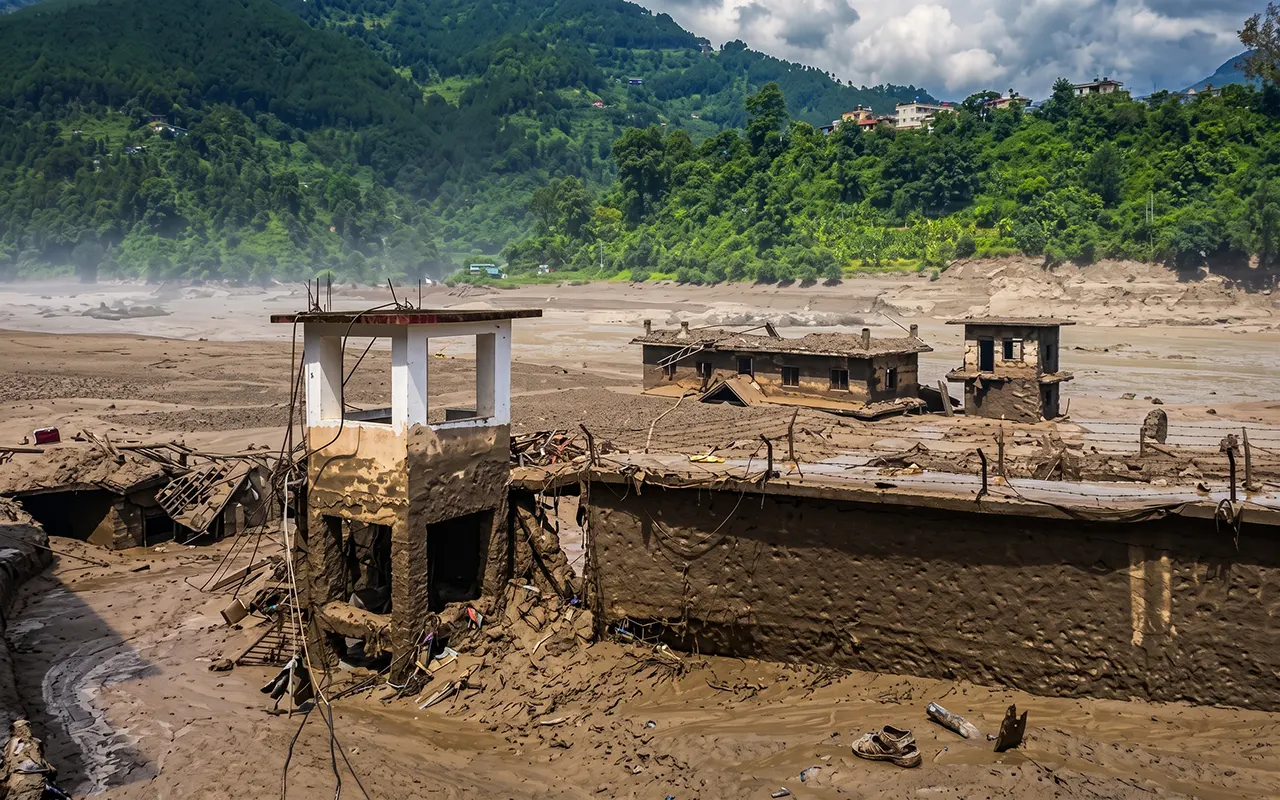
The August 26 flood caused serious damage in Rasuwa and disrupted important northern travel routes, particularly around Rasuwagadhi, Timure and the usual approach toward Syabrubesi. The Rasuwagadhi and Kerung border route remains affected, while some nearby trekking access routes also require alternative arrangements.
However, Nepal remains open to international travelers. Everest, Annapurna, Manaslu, Mustang, Kanchenjunga, Makalu and several other trekking regions were outside the direct impact of the flood according to the current trekking route assessment.
Langtang and Gosaikunda also remain possible considerations, but their usual access routes need to be checked carefully and alternative approaches may be required.
For visitors planning Nepal travel after the flood, the situation is not simply a question of whether to travel or not. The better approach is to choose the destination according to current conditions, confirm the route and remain ready to make sensible changes.
As recovery continues, travel conditions will become clearer. Until then, recent local information should guide the final decision.
Frequently Asked Questions
Is Nepal open for tourism after the Rasuwa flood?
Yes. Nepal remains open to international travelers, although some areas and access routes in northern Rasuwa are currently affected.
Can I still trek in Nepal?
Yes. Several major trekking regions were outside the direct impact of the flood, including Everest, Annapurna, Manaslu, Kanchenjunga and Makalu. Travelers should still confirm current access and weather conditions.
Can I visit Langtang after the flood?
The Langtang and Kyanjin Valley areas were reported as safe, but normal access through the Trishuli and Syabrubesi corridor is affected. Travelers should check the current alternative approach before starting the trek.
Should I cancel my Nepal trip?
Not necessarily. If you’re traveling outside the affected corridor, you can proceed with your plans and just monitor the conditions. If your original route is affected, changing the route or destination might be another option.
Table of Contents
- Is Nepal Still Open for Tourism?
- What Has Changed in Northern Nepal?
- Many Parts of Nepal Remain Available for Travel
- What About Langtang and Gosaikunda?
- What If Your Original Route Is Affected?
- Travel Planning After the Rasuwa Flood
- Can You Still Plan an Autumn Trip to Nepal?
- What Should Travelers Check Before Leaving?
- Nepal Travel Can Still Go Ahead
- Conclusion
- Frequently Asked Questions
